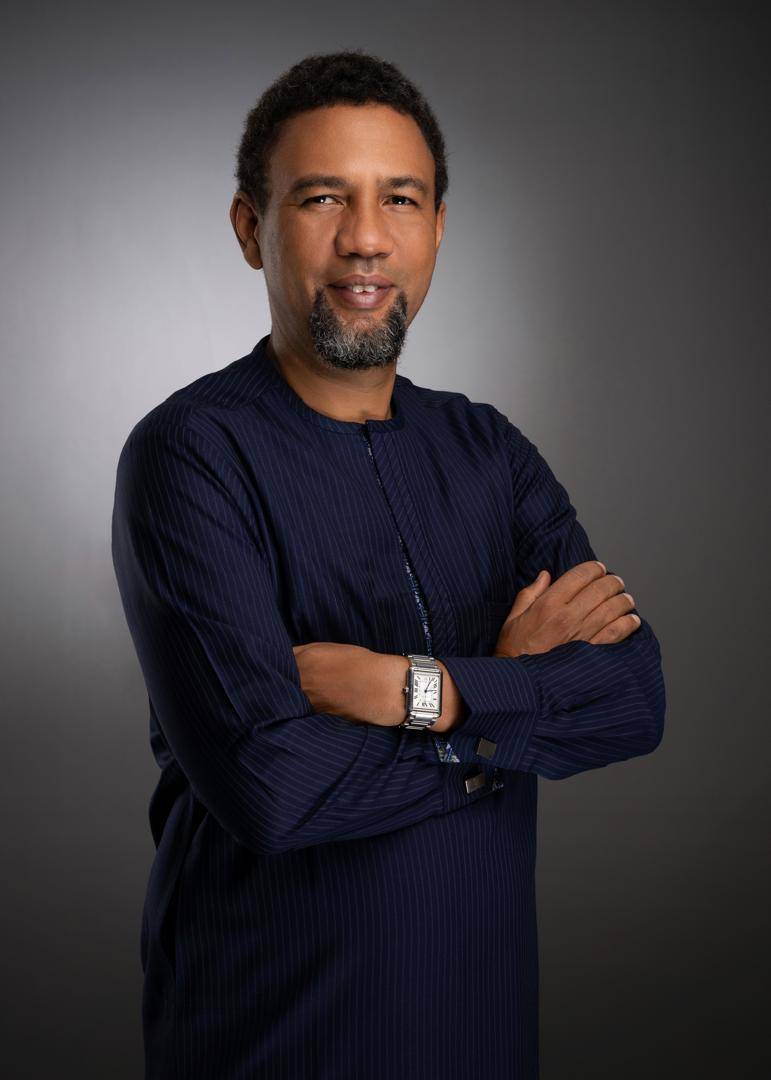
The creation of Proximity, the production company co-founded by Ryan Coogler and Sev Ohanian, is a journey rooted in shared experiences at the University of Southern California School of Cinematic Arts, as discussed in their conversation with Bloomberg Live. The relationship began in 2008 at the Robert Zemeckis Center for Digital Arts, where Coogler worked in the equipment room and Ohanian manned the front desk. Ohanian arrived at USC with prior filmmaking success, having created viral YouTube videos that lovingly parodied his Armenian parents. These videos, which he suggested would today be akin to TikTok content, led him to write, direct, shoot, and produce a feature film called My Big Fat Armenian Family using his father's Mini DV camera. This film, a "love letter" to his community, empowered him to pursue film school, where he became known as one of the top producers, working on movies for many classmates, including Coogler.
The pair’s first professional feature collaboration came shortly after Coogler’s graduation with Fruitvale Station, which Ohanian came to Oakland to produce. Zazie Beetz, who is now Coogler’s wife and a partner at Proximity, was also deeply involved, having essentially audited Coogler's classes at USC, providing them with "two degrees for the price of one technically". After Coogler directed Creed and prepared for Black Panther, their manager, Charles King, was "really hard" on them, insisting they needed to start a company, arguing "Now is the time". The concept for Proximity began taking shape at the Castro Theater in San Francisco during a screening of Ohanian's film Searching, which had been acquired and won awards at Sundance. The partnership was contingent on reuniting the Fruitvale Station team, including Ohanian, Beetz, and Ohanian’s wife, the "incredible producer" Natalie Kasabian.
Related article - Uphorial Shopify

A core challenge for Proximity, which the co-founders addressed in the Bloomberg Live discussion, was ensuring the company was "more than just like Ryan Coogler movies," a typical difficulty for talent-led ventures. To combat this, they intentionally diversified their output from the start. Their initial three features—Space Jam: A New Legacy, Judas and the Black Messiah, and Creed III (Michael B. Jordan's directorial debut)— were all projects Coogler did not direct, providing a crucial "crash course in producing" and signaling their broad market intent. The critically acclaimed Judas and the Black Messiah was particularly pivotal, sparking the company's existence by demonstrating their mission to support incredible filmmakers like Shaka King in making films that were "not necessarily films that on paper seem like obvious hits". In fact, only one of Proximity’s film projects has been written and directed by Coogler.
The Proximity co-founders emphasized the profound importance of the theatrical experience. During the early pandemic, when Judas and Space Jam were caught in the Warner Bros. simultaneous streaming and theatrical release experiment, Coogler recalled that filmmakers were primarily "just happy that people were going to see" the movie given the uncertainty of the time. However, Coogler, who has been fortunate that everything he has written and directed has been a theatrical release, feels a "duty to try to protect" this experience. The partners actively promote premium viewing formats, generating a viral video for Creed III that explained why it was shot on large format and where to see it. Though they expected only "a few thousand" views from film projection enthusiasts, the video "took off in a way we can kind of imagine," garnering millions. Ohanian stressed that the large format experience offers audiences the necessary "excuses to go see movies," justifying the effort of hiring a babysitter and standing in line.
Proximity’s diversification efforts have extended successfully into television. The company had a strong 2023 with three TV projects: Ironheart (a live-action Marvel show that debuted in the Nielsen top ten), the animated show Eyes Open (which received "great critical reception"), and the docu-series Hurricane Katrina: A Race Against Time (reportedly the number one Nat Geo streaming project ever). This range across live action, animation, and socially conscious documentaries is a "strategy for us to always be adaptable in this ever-changing market" and reach diverse audience segments. Despite the industry facing constant "challenging times"—including the Great Recession, COVID shutdowns, and strikes—Coogler and Ohanian remain optimistic, citing the high-quality, independent-minded leadership now emerging. For Coogler, whose family had no connections in the business, stepping onto a set still feels like winning an award, and he holds that a billion-dollar movie "sparks culture" because it signifies that "a lot of people went to go see the movie in a theater".