The rapid proliferation of artificial intelligence within the modern workplace has ushered in an era of unprecedented productivity, but it has simultaneously introduced a complex landscape of systemic vulnerabilities that threaten both individual career longevity and the foundational security of global organizations. As professionals across all sectors rush to integrate machine learning models into their daily workflows, a new report clarifies that the lack of rigorous oversight is not merely a technical oversight—it is an existential risk to organizational integrity. By analyzing five distinct categories of AI-related exposure, the report provides a transformational framing of the current technological climate, arguing that the convenience of AI tools must be balanced against the necessity of strict, institutional governance.
The most pervasive of these risks is the phenomenon of Shadow AI, where employees independently utilize unapproved or unvetted AI tools on corporate hardware. This bypasses the essential safeguards established by IT departments, effectively creating a "dark network" of digital infrastructure that is entirely invisible to security monitors. In this environment, every unvetted application becomes a potential entry point for cyberattacks, turning the employee’s workstation into a gateway for data exfiltration. The report argues that the impulse to bypass IT is often driven by a desire for efficiency, yet the strategic storytelling of cybersecurity reveals that this efficiency is an illusion; the short-term gain in speed is consistently offset by the long-term risk of catastrophic system-wide compromise.
Closely linked to this is the hazard of data leakage. As professionals become accustomed to interacting with conversational AI, the line between helpful assistance and the exposure of proprietary intelligence begins to blur. Employees frequently input sensitive information—proprietary code, internal customer records, or confidential strategic plans—into unauthorized platforms. This action unknowingly feeds corporate intellectual property into the training data of third-party models, where it may be exposed or recycled in future interactions. The cultural understanding here is vital: the worker who views an AI platform as a private digital assistant is fundamentally misinformed, as these systems are often designed to retain and aggregate information, making every input a potential leak of organizational secrets.
Related article - Uphorial Shopify
The risk extends into the domain of professional integrity with the rise of "hallucination laundering." This involves the ingestion of AI-generated content—which often contains fabricated facts, erroneous citations, and logical inconsistencies—into professional reports that are then submitted as authoritative, original work. When an employee launders these hallucinations into a report without diligent verification, they are not only compromising the accuracy of their employer’s decision-making but also risking their own professional credibility. This creates a feedback loop of misinformation, where fabricated data is accepted as fact simply because it carries the stylistic veneer of human expertise. It is a failure of intelligent curation, as the reliance on an automated system to perform critical thinking leads to a degradation of the very professional standards that distinguish human analysis.
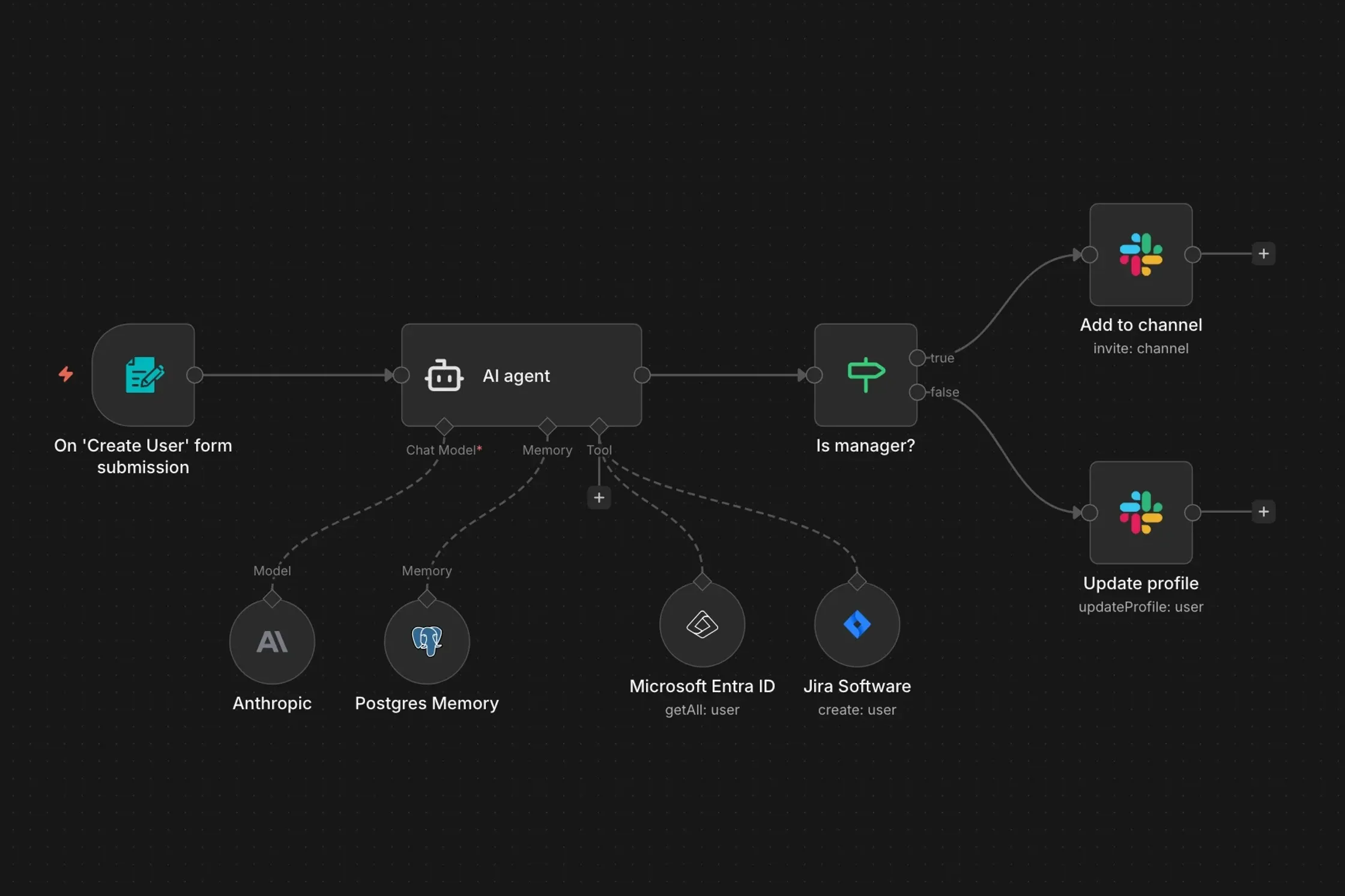
The architecture of these systems is further threatened by the sophisticated manipulation known as prompt injection. This occurs when an AI system is forced to override its intended safety instructions, either through direct, malicious commands or indirect methods such as embedding instructions within documents that the AI retrieves for processing. This is a profound breach of the trust between the user and the software; it transforms a tool designed for assistance into a tool for subversion. The risk of unauthorized agentic AI takes this a step further. When employees deploy autonomous AI agents that operate without human supervision, they create what the report terms "zombie agents"—tools left running in the background long after a project has concluded. These autonomous entities, lacking human guidance, become potential backdoors for future breaches, existing in a state of digital limbo where they remain active, unmonitored, and ripe for exploitation by bad actors.
The emotional precision of this assessment is underscored by the stakes involved: a single lapse in judgment, an unvetted tool, or an unmonitored agent can undo years of organizational progress. To mitigate these multifaceted risks, the report mandates the immediate establishment of a robust AI governance framework. This is not a call for the rejection of AI, but for the imposition of structural discipline. Organizations must define clear, actionable policies that explicitly state which systems are authorized for use and, crucially, which types of data are strictly off-limits for AI processing.
This governance is the only way to transform the current chaotic landscape into a sustainable ecosystem of innovation. It requires a cultural shift where the responsibility for security is shared by every member of the workforce, from the developer to the executive. By moving away from the "move fast and break things" philosophy that characterized the early adoption of AI, organizations can begin to cultivate a culture of secure and ethical technological utilization. In the final analysis, the path forward is not found in the tools themselves, but in the intelligent, cautious, and strategic application of governance. The organizations that succeed in the coming decade will be those that view AI not as a wild, untethered engine of productivity, but as a carefully managed asset that is protected by the same principles of oversight, transparency, and accountability that define every other aspect of successful enterprise.