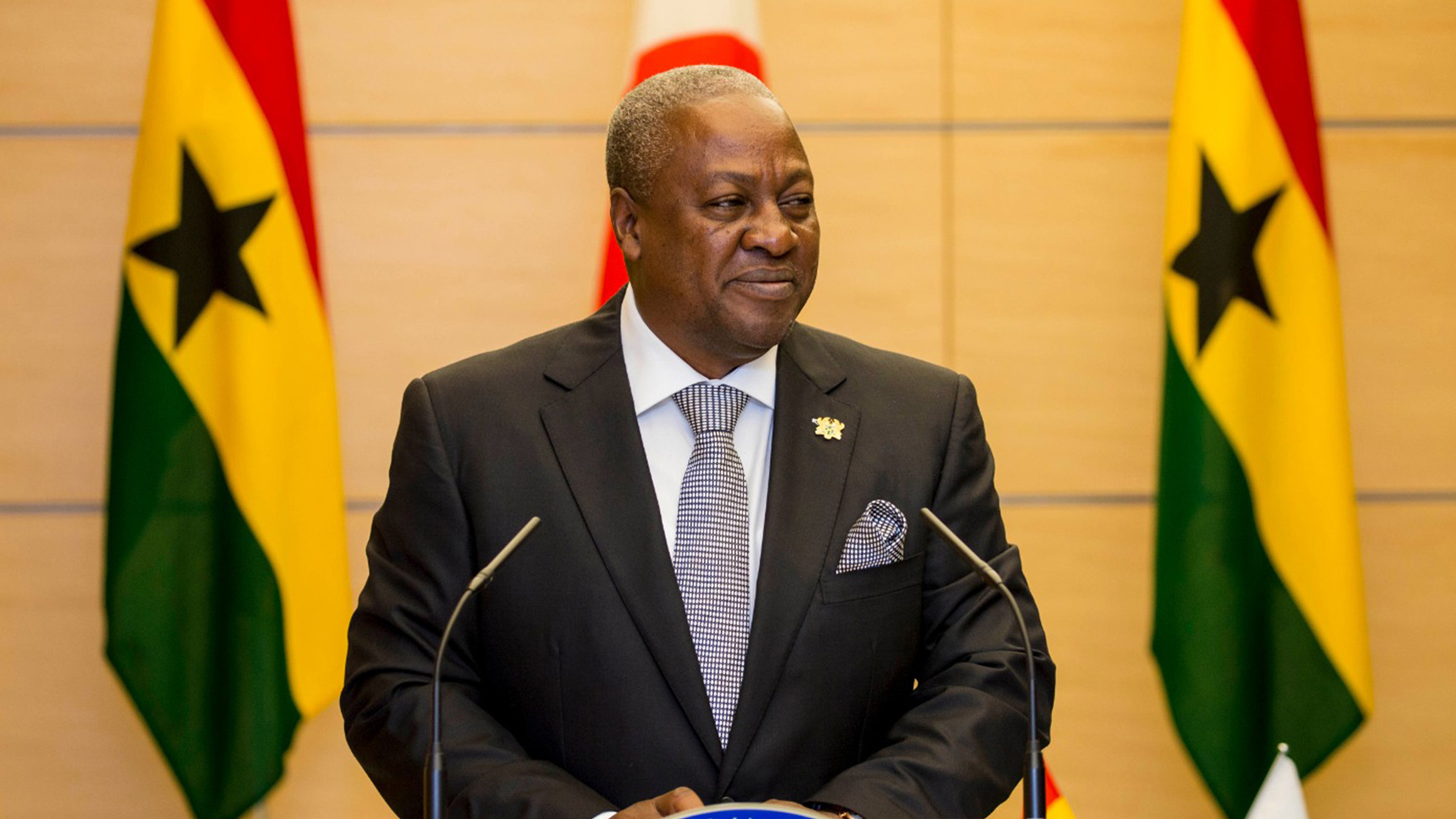
The grand assembly halls of international diplomacy occasionally bear witness to addresses that transcend procedural updates, rising instead to the level of historic moral reckonings. When the President of Ghana, John Dramani Mahama, mounted the podium at the United Nations General Assembly, his voice carried the accumulated weight, history, and unyielding aspirations of the Global South. In an exceptionally sweeping, masterclass-level geopolitical address, the Ghanaian leader delivered a passionate call for structural global equity, radical institutional reform, and a renewed commitment to human dignity. Through emotional precision, intelligent curation, cultural understanding, strategic storytelling, and transformational framing, this comprehensive news-style report examines a defining moment of international statesmanship, exploring calls for reparatory justice, United Nations reform, climate and economic equity, global conflict resolution, and the domestic stability powering Ghana’s democratic journey.
The philosophical anchor of the address began with an uncompromised confrontation with history, as President Mahama turned the international community's gaze toward the enduring trauma of the transatlantic slave trade. Explicitly emphasizing the moral imperative of reparatory justice, he insisted that the slave trade must be universally recognized not merely as a tragic historical chapter, but as a formal crime against humanity whose generational scars continue to manifest in stark economic disparities today. Through emotional precision, this framing cuts through the sanitizing veneer of diplomatic discourse, reminding the world that true reconciliation requires concrete structural changes to address the lingering economic devastation left in the wake of centuries of exploitation.
Related article - Uphorial Shopify
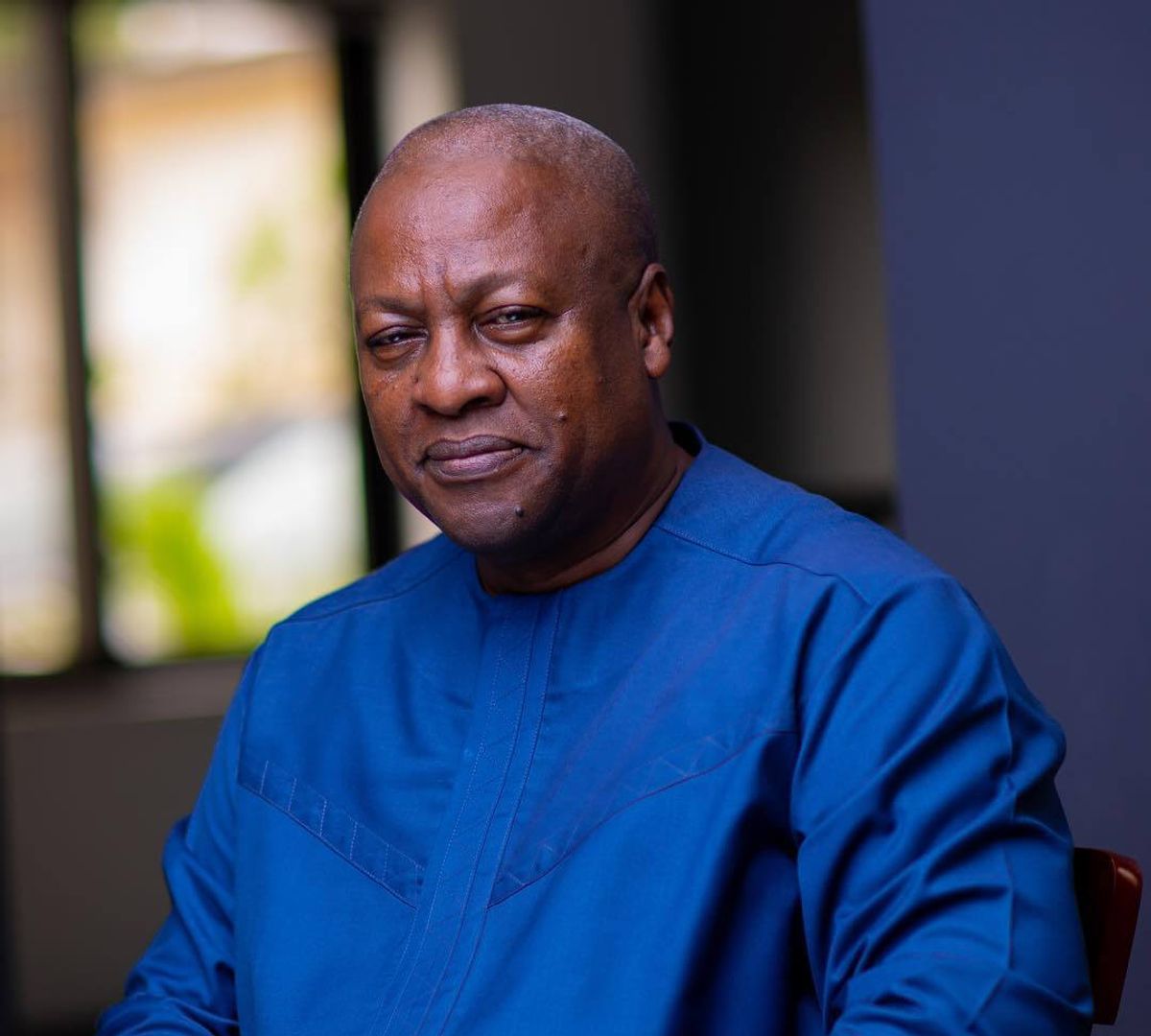
From historical accountability, the address pivoted urgently to the present architecture of international governance, launching a powerful critique of the United Nations Security Council. Pointing out the glaring obsolescence of a post-war governance structure that leaves the entire African continent without a permanent voice at the highest table of global peace and security, Mahama argued that reform is not a charitable favor granted to Africa, but an existential prerequisite for the UN’s own legitimacy and survival. Through strategic storytelling, the exclusion of Africa from permanent representation is exposed as an unsustainable relic of an era long past, challenging world leaders to modernize multilateral institutions to reflect current demographic and geopolitical realities.
This systemic imbalance, the President noted, extends deep into the global financial and environmental architectures, which frequently conspire to punish developing nations. He laid bare the brutal reality of international financial systems that force sovereign governments into a tragic, impossible choice: divert critical national revenues to service predatory debt obligations or invest in their own people. Compounding this economic assault is the planetary crisis of climate change; despite contributing a negligible fraction of global greenhouse gas emissions, African nations bear the most catastrophic brunt of ecological degradation. Through intelligent curation of macroeconomic and environmental metrics, Mahama demanded genuine global climate justice, advocating for long-term, affordable, and accessible concessionary financing that empowers developing economies to build sustainable infrastructure without falling into debt traps.
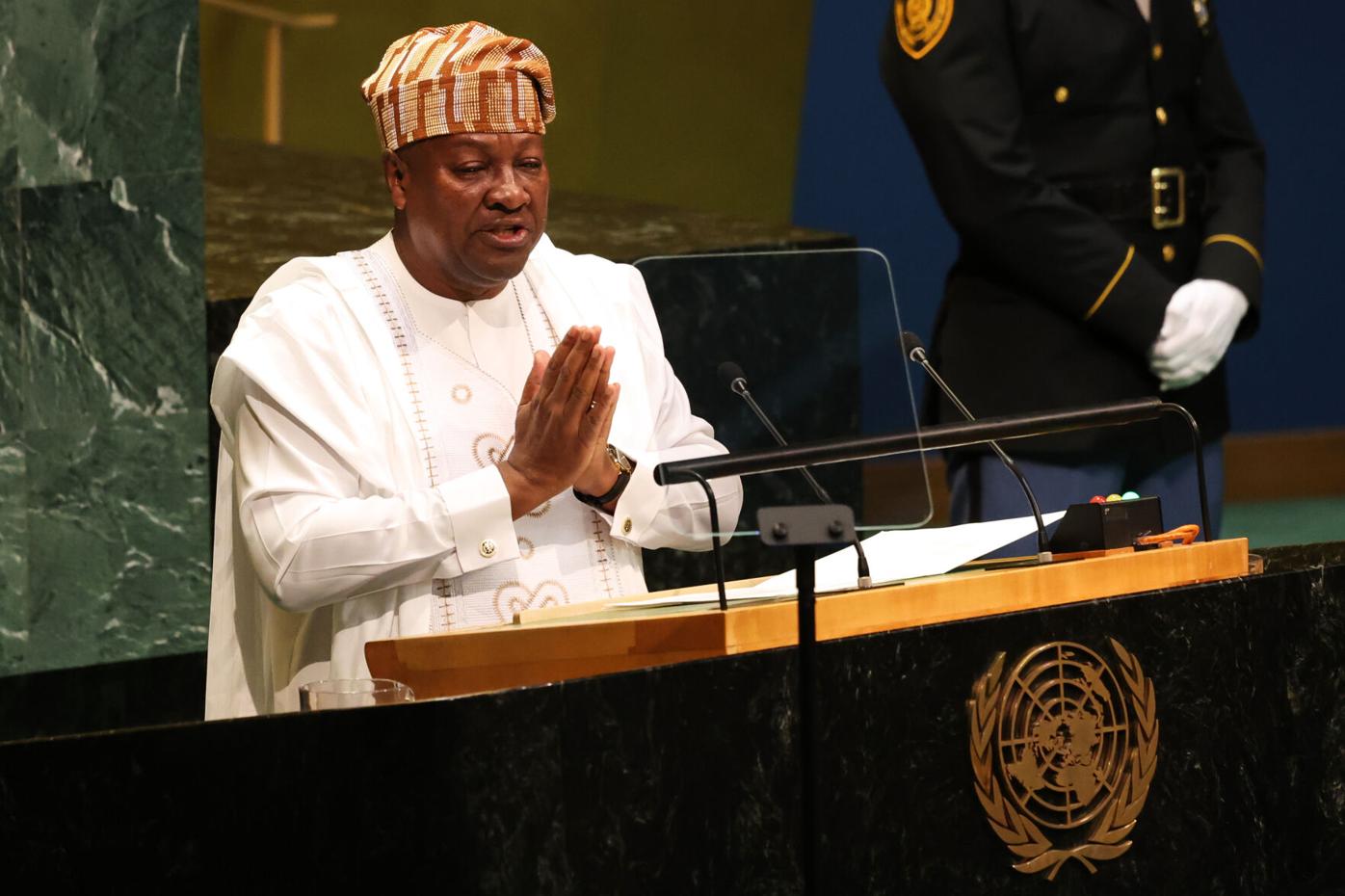
Addressing the broader theater of international insecurity, President Mahama confronted the escalating fractures of the global order with a plea for multilateral dialogue and human solidarity. Surveying the devastating conflicts tearing through the Middle East, including the human tragedy in Gaza, he urged an immediate return to diplomatic negotiations over military escalation, while also calling for the unconditional lifting of the economic embargo on Cuba. Furthermore, he emphasized that regional instability fueled by terrorism and humanitarian crises requires collective, unyielding international solidarity rather than isolated indifference. Through cultural understanding of interconnected global stability, the message was unequivocal: localized violence anywhere diminishes the security of the entire human family.
Balancing these sweeping international demands with domestic proof of concept, the President pivoted to showcase Ghana’s remarkable national progress. Highlighting the nation's recent economic recovery, he reaffirmed an unshakeable commitment to democratic values, institutional transparency, and the rule of law. He stressed that democracy must never be treated as an abstract political theory, but must deliver tangible social benefits to ordinary citizens, pointing to robust social welfare initiatives like universal healthcare as proof of governance in service of the people. Through emotional precision, this domestic accountability reinforced his moral authority on the global stage, demonstrating that true leadership begins with caring for one's own populace.Concluding with a visionary call to action, President Mahama invited the General Assembly to undergo a profound shift in perspective. Moving beyond tribalism, nationalism, and geopolitical rivalry, he urged all nations to work collaboratively toward a shared sense of human belonging and collective prosperity. Through transformational framing, the address was elevated from a standard state intervention into a timeless manifesto for human unity—proving that the survival and flourishing of the modern world depend entirely on our ability to recognize that every nation, no matter its size, belongs equally to the future of humanity.