Expectant mothers in their third trimester often seek natural methods to prepare for labor, with a common goal being to encourage the baby's head to descend into the pelvic area. Through a collection of effective exercises, C.M Ebere provides guidance to ease the demands of this important phase, focusing on relieving lower back tension and round ligament pain. She emphasizes that these movements are part of a holistic preparation, viewing labor as an "Olympic sport" or a "marathon" that necessitates training.
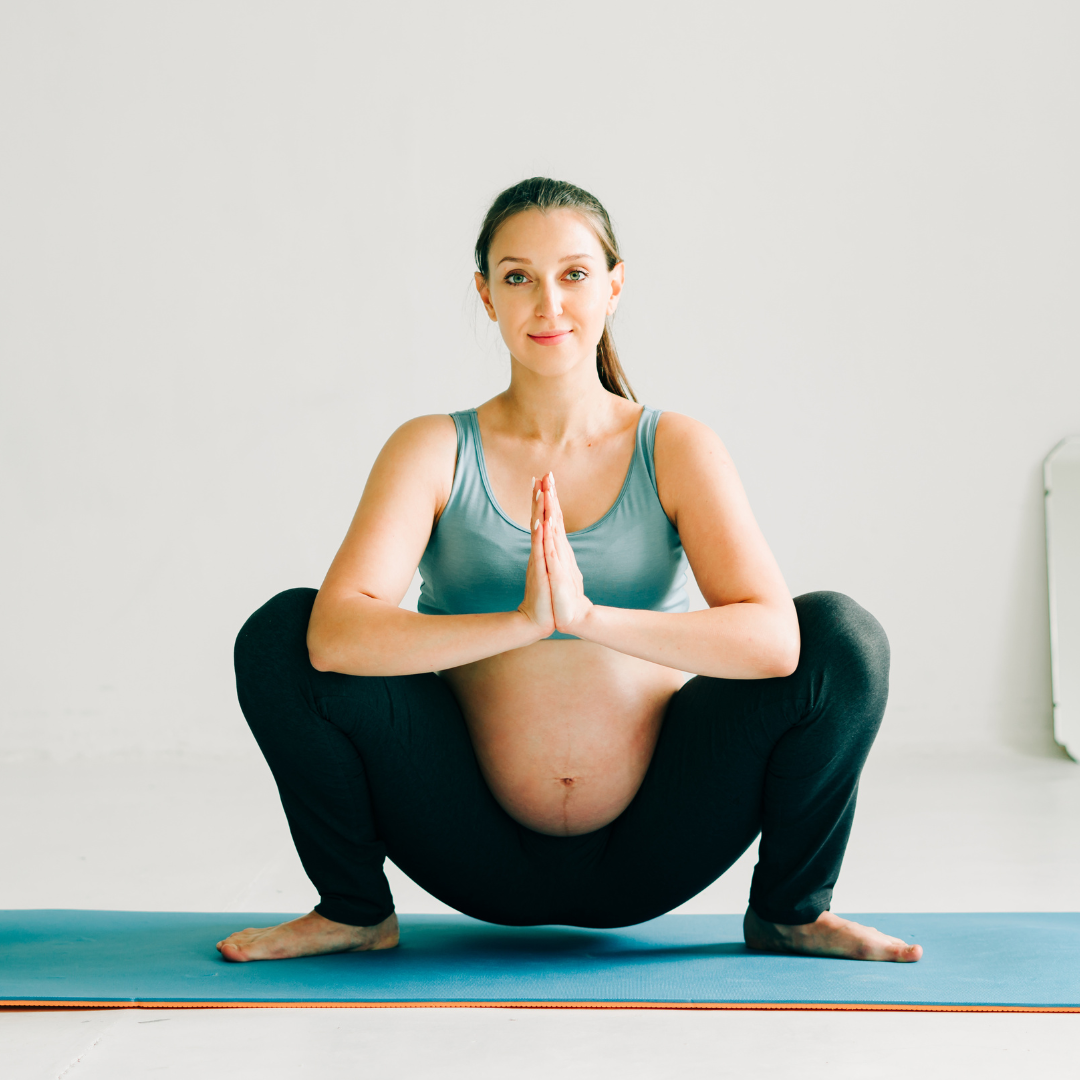
The featured routine begins with the side-to-side lunge, performed slowly and at one's own pace, with hands firmly planted for stability. The recommendation is to complete 10 to 20 repetitions across approximately three sets, adjusting based on comfort levels. Following this, the low lunge involves a rocking motion back and forth. This exercise is particularly beneficial for improving flexibility and enhancing pelvic alignment, directly contributing to the baby's progressive descent as pregnancy advances. Consistency is key here, with the advice to maintain similar momentum and pace on both the right and left legs, aiming for about 10 repetitions, though as few as five are acceptable depending on individual comfort.
Related article - Uphorial Radio
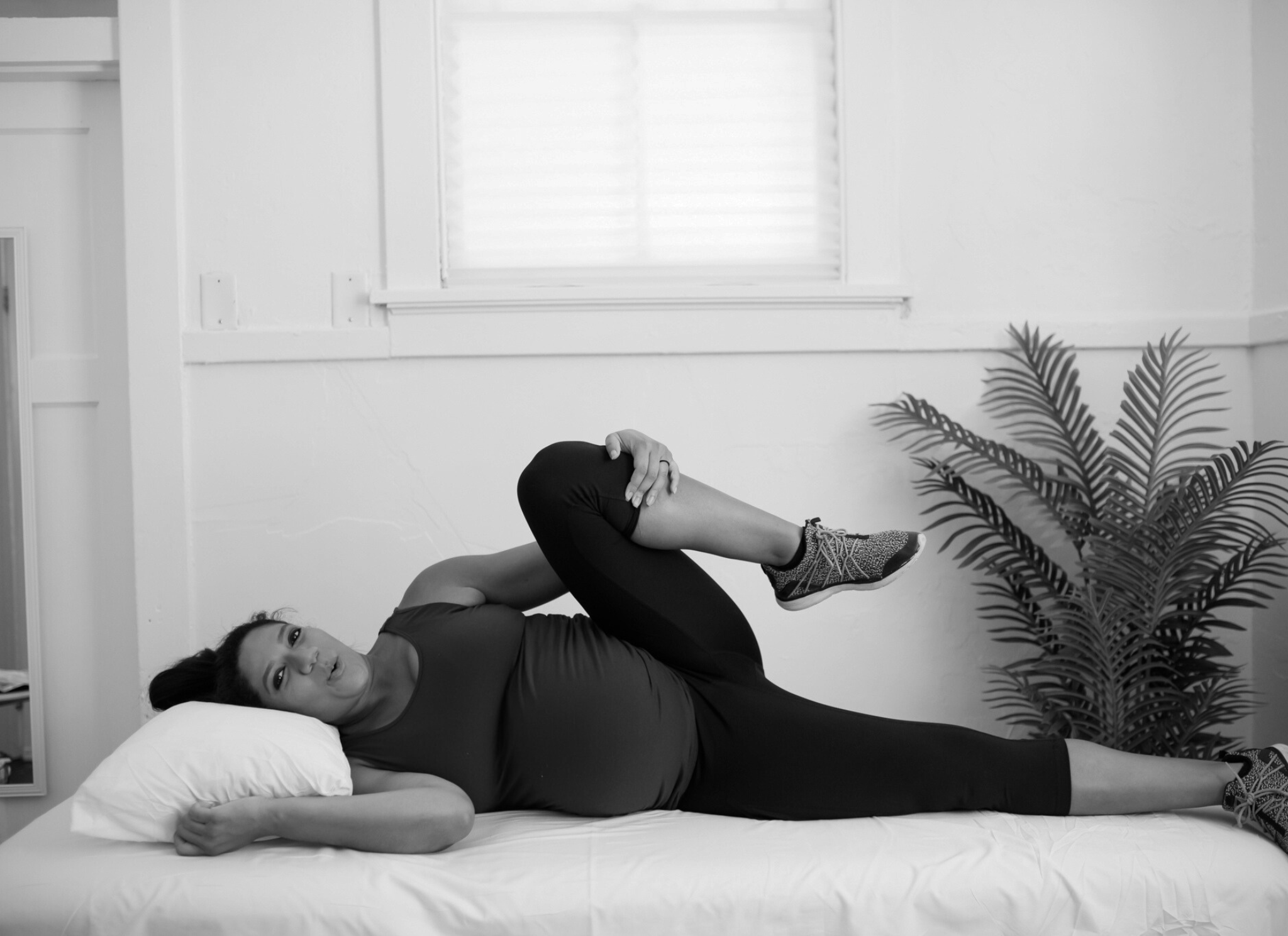
Next, the routine incorporates hip rocks, executed by taking the knees out wide while the big toes touch at the back. This movement is ideally combined with breath work, inhaling as one comes up and exhaling upon going back down, which also aids in engaging and strengthening the core. From hip rocks, she transitions to a dynamic movement described as going "all the way around the ward" on each leg, designed to facilitate pelvic adjustment. For these exercises, maintaining a lower repetition count, sometimes as low as five, is perfectly acceptable, as the primary goal is consistent movement.
A significant stretch involves sitting and gently attempting to bring the inner part of the knee to touch the ground and then back up. It's noted that the knee doesn't have to fully touch, and props like pillows or yoga blocks can be used for support. This exercise focuses on deep stretching and expansion around the hip area, providing both relief and comfort while actively preparing the pelvic region for labor. Ebere then introduces a seated wide leg forward fold, where the individual consciously tilts the front of their pelvis inward on both sides. This targeted tilting helps keep the area flexible and serves as a direct encouragement for the baby's head to move "down" into position, reinforced by incorporating breath work throughout.
Ebere also demonstrates an inversion technique, specifically a headstand, though this is presented with a strong caveat: it should only be attempted by those who have significant prior experience, such as having practiced for 12 years, and is not compulsory for everyone. Inversions during pregnancy are noted for their potential to improve blood circulation. Regardless of the specific exercise, the overarching theme is to listen to one's body, proceed at a comfortable pace, and never stop moving, viewing physical preparation as a vital complement to other forms of readiness, like prayer. The exercises are framed not just as physical preparations but as a way to maintain flexibility and encourage optimal fetal positioning, contributing to a sense of readiness and empowerment as labor approaches.