TORONTO - The Toronto night was thick with the weight of two decades of footballing history, a stage set not just for a match, but for a final reckoning between two of the game’s most enduring titans. When Portugal and Croatia took to the pitch at Toronto Stadium for their 2026 FIFA World Cup Round of 32 clash, the air felt charged by the collective legacies of Cristiano Ronaldo and Luka Modrić. In what many anticipated as a concluding chapter for both, the spectacle that unfolded was as brutal as it was beautiful, a pendulum of hope and heartbreak that ultimately tipped in favor of the Portuguese, leaving the Croatian dream—and perhaps the international career of their talismanic captain—in the unforgiving hands of fate.
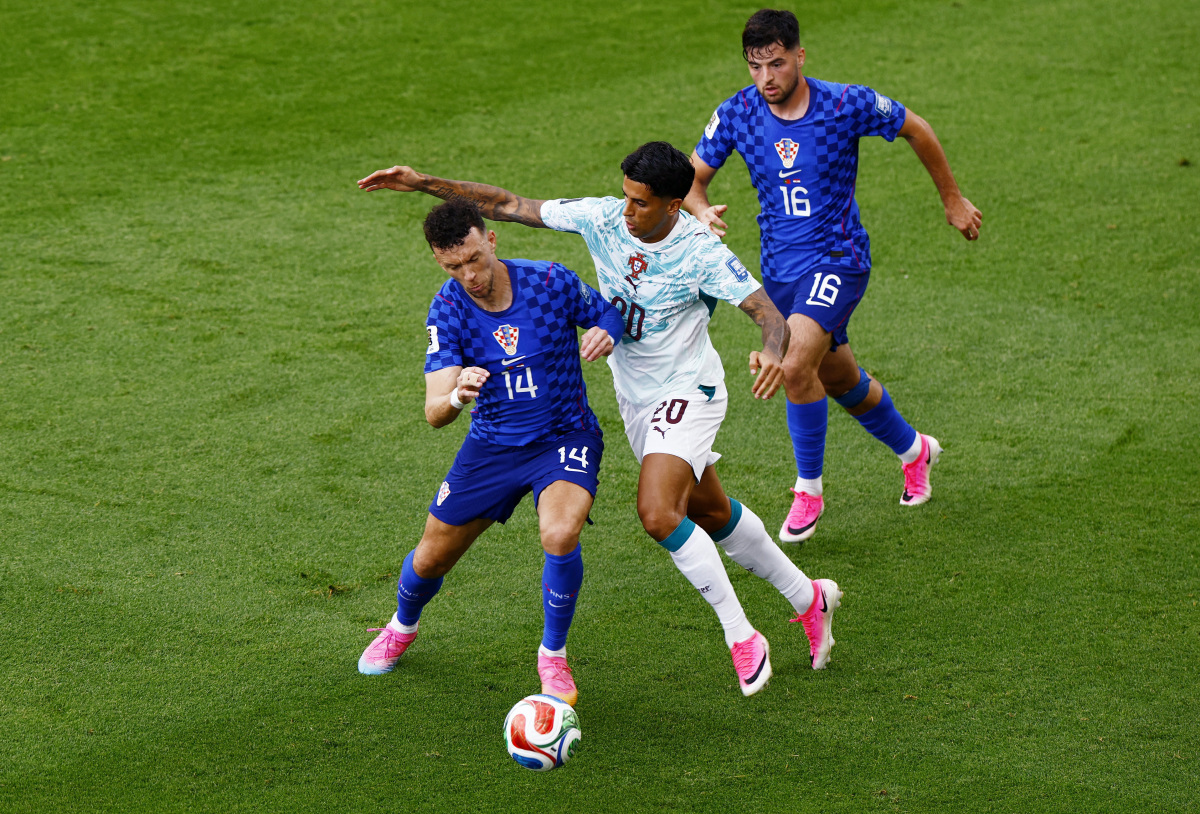
The narrative began with a distinct Croatian rhythm. Despite Portugal’s early dominance in possession and a relentless series of forays into the final third, it was the Vatreni who surgically dismantled the Portuguese defense shortly after the break. In the 53rd minute, Josip Stanišić delivered a curling cross from the right flank that found Ivan Perišić lurking at the back post. With a clinical finish that bypassed Diogo Costa, Perišić etched his name into the history books, surpassing Davor Šuker as Croatia’s all-time leading World Cup goalscorer. For a team built on resilience and tactical discipline, it was a moment of pure, unadulterated precision, a strike that seemed to validate their reputation as the tournament’s ultimate survivors.
Related article - Uphorial Shopify

Yet, football rarely grants sentimentality the final word. As Portugal fell behind, the tension within the stadium tightened. The match became a frantic, high-stakes chess match where every marginal gain was scrutinized by the unblinking eye of technology. The game was marked by an unrelenting series of offside calls and disallowed efforts that kept both sets of supporters in a state of continuous, nervous agitation. A Ronaldo effort was wiped from the board; Croatian surges were cut short by the fine margins of the modern game. The atmosphere was one of agonizing suspense, a feeling that any moment could be the one to either define a legacy or shatter it.The pivot occurred on the hour mark, as Portugal’s manager, Roberto Martínez, executed a bold tactical reshuffle. The introduction of fresh legs injected a new, chaotic energy into the Portuguese attack. The breakthrough came not from open play, but from a moment of intense physical contestation. As a corner whipped into the box, Nikola Vlašić was adjudged to have impeded Renato Veiga. After an agonizing VAR consultation, a penalty was awarded. Cristiano Ronaldo, facing the immense pressure of his career’s twilight, stepped up to the spot. In the 68th minute, he drove the ball home, securing his first-ever knockout-stage goal in the World Cup. At 41 years and 146 days old, the strike made him the oldest player to ever score in the knockout phase of the tournament—a statistical testament to a career defined by an refusal to yield to time.

The final act, however, belonged to the drama of the dying seconds. With the score deadlocked at 1-1 and the specter of extra time looming, Portugal launched one final, desperate assault. In the 94th minute, Rafael Leão found space on the flank and delivered a lofted cross into the heart of the area. Gonçalo Ramos, the substitute who had brought the energy Martinez craved, rose above the defense, powering a header past Dominik Livaković. The stadium erupted; for Portugal, it was the cathartic release of a team that had stared into the abyss and found a way back.But the emotional rollercoaster had one final, cruel twist. In the absolute embers of stoppage time, a goalmouth scramble saw the ball bundled into the Portuguese net, sparking wild, visceral celebrations from the Croatian end. For a fleeting moment, they believed they had snatched immortality back from the jaws of defeat. It was not to be. After a agonizingly long VAR review—the silence in the stadium growing deafening—the officials determined that Igor Matanović was in an offside position during the chaotic build-up. The goal was overturned, the celebrations were extinguished, and the final whistle sounded shortly thereafter, confirming a 2-1 victory for Portugal.
The aftermath was a scene of stark contrast. Portugal, relieved and revitalized, looked toward a Round of 16 encounter against their Iberian neighbors, Spain. For Croatia, the end of their tournament journey was marked by visible, raw emotion. As Luka Modrić walked off the pitch in Toronto, the weight of the moment was palpable. Whether this was truly the end of his illustrious international saga remains to be seen, but as the lights dimmed on the Toronto pitch, the match stood as a definitive reminder of the sport's capacity for cruelty and grandeur. It was a night where records were set, dreams were deferred, and the relentless march of footballing evolution claimed yet another chapter in the storied lives of its greatest icons.