Inside the hushed grandeur of 16 rue Vivienne, history hummed under the soles of every guest that stepped through the threshold. The venue was not new, but what unfolded within was an entirely new chapter—Michael Rider’s debut as the creative director of CELINE. Cameras clicked. Whispers darted through the marble air. And in the center of it all stood a figure who had seen it all, yet always managed to find something unseen: Loic Prigent.
For those unfamiliar, Prigent is not just a filmmaker. He is fashion’s lens, its chronicler, its impish narrator with a biting wit and reverence for the ridiculous. His camera does not just record—it reveals. For decades, Prigent has moved like a shadow in backstage chaos, collecting the eccentricities, insecurities, and brilliance that make up the rare world of high fashion. So when CELINE decided to launch this pivotal collection—its first since Hedi Slimane’s departure—Prigent was not just documenting a show. He was witnessing a cultural reset.
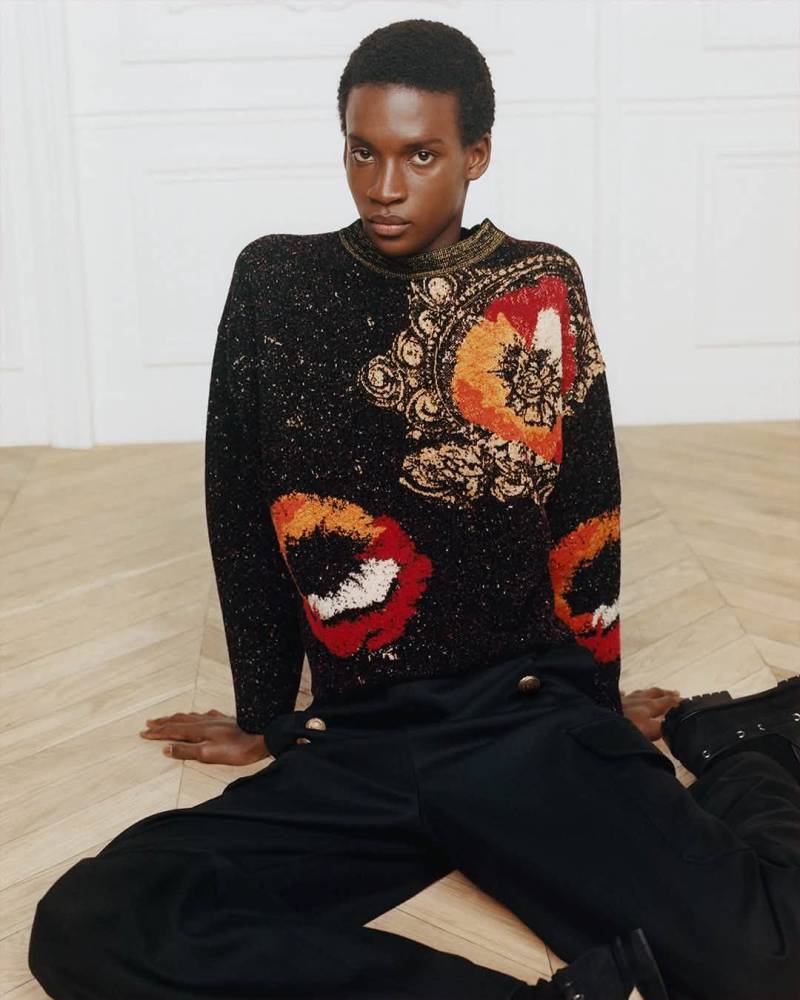
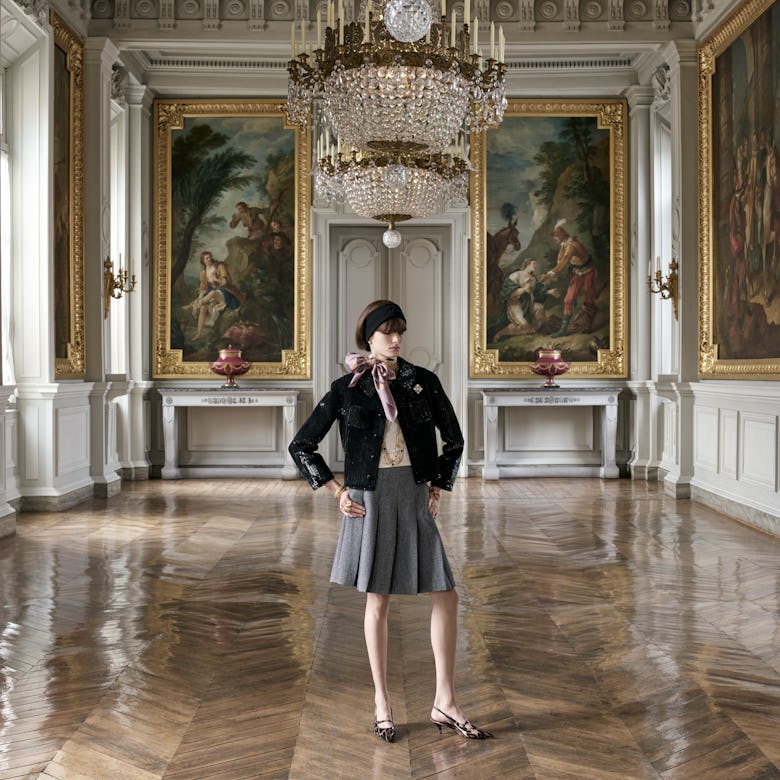
Michael Rider, a name once whispered in closed studios and now shouted across fashion headlines, approached this debut with a calm tension. Everyone wondered: would he rebel or respect? Would he toss Slimane’s sharp lines and nostalgia or refine them? The answers were sewn into every pleat and lapel. The lavallière was back—but less punk, more poetic. The hunter jacket returned—yes—but now softened, tailored like a love letter to the past, not a fist to it. And Triumph, that signature CELINE motif, didn’t scream—it whispered. Rider didn’t rip pages from CELINE’s past; he underlined them.
Related article - Uphorial Podcast
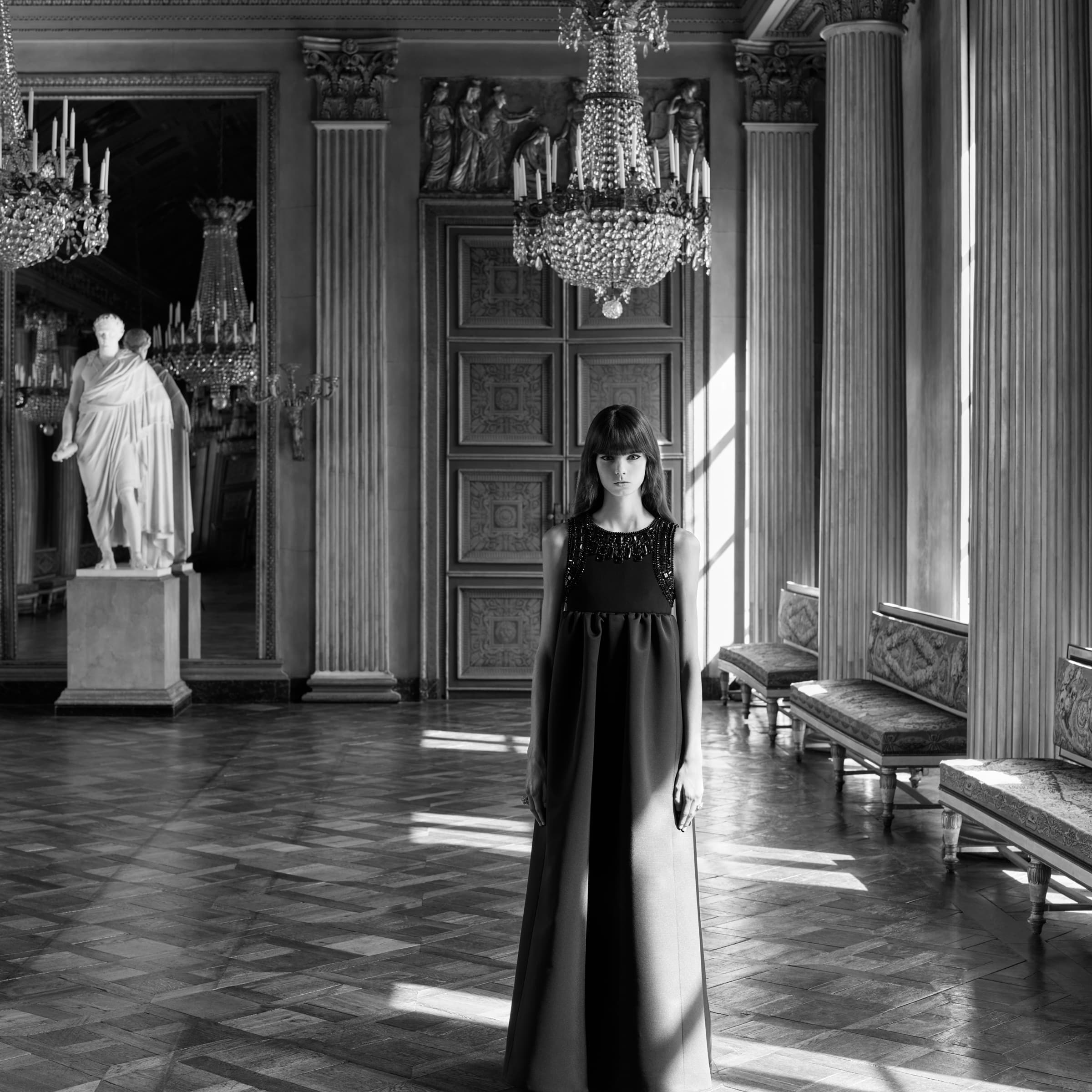
Loic Prigent
And then there were the guests. Not just the usual front-row elite, but avatars of a generational shift. V from BTS exuded quiet charisma, Suzy Bae carried elegance like air, and Park Bo-gum’s smile lit up the darkened entry hall. They weren’t just attendees—they were muses of this new CELINE. They represented a fashion world no longer owned by one continent, or one voice, but by a mosaic of global creativity. Their presence made one thing clear: this wasn’t just a collection, it was a recalibration.
But again, to watch this moment solely through the eyes of the models or the guests is to miss the poetry. Enter Prigent.
His lens doesn’t flinch. It doesn’t glamorize. It humanizes. Through his camera, you don’t just see seams and silhouettes—you see sighs, smirks, side-eyes from assistants waiting for approval. You see the way Rider gently straightened a model’s collar, his nervous hands betraying a man who knew what was at stake. You hear snippets of conversations that don't make the press: a stylist worrying about a loose hem, a model praying her heels hold. This is the fabric of fashion—raw, frayed, and fabulous.
In many ways, Rider’s CELINE and Prigent’s storytelling share a soul. Both seek to reinterpret, not replace. Both respect the past but live in the now. And both, quietly and without fanfare, are dismantling the gatekeeping that has long kept fashion out of reach for those not born inside its golden gates.
The show ended. Applause rose like thunder, but Rider remained still for a moment, perhaps letting it all soak in. And somewhere, quietly filming from behind a curtain or between chairs, Loic Prigent captured it—not just the clap of hands, but the quiet after.
Because fashion is not just about clothing. It's about transitions, tensions, inheritance, and invention. And in this moment, CELINE wasn’t just reborn—it was retold. Through Rider’s vision and Prigent’s frame, the house did not shout its return. It whispered it—with grace, with defiance, and with the knowledge that the story is always more beautiful when you know how to listen.