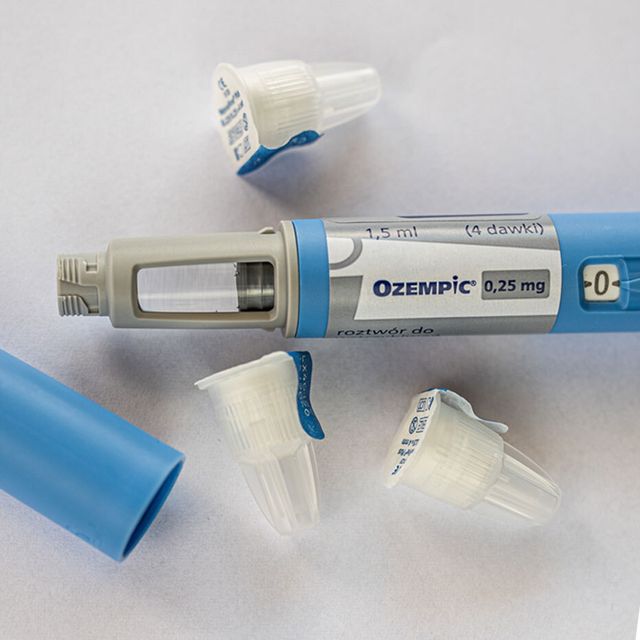
When a single drug transcends its medical purpose and starts shaping cultural ideals of beauty, the ripple effects can be as unexpected as they are profound. Ozempic, originally designed to help millions manage type 2 diabetes, has morphed into a phenomenon that’s fueling a surge in cosmetic surgery and sparking debates about health, self-image, and societal pressures.
Ozempic is the brand name for semaglutide, a medication that works by mimicking a hormone that regulates appetite, leading to significant weight loss in many users. While this drug was never intended as a cosmetic aid, its ability to help shed pounds rapidly has caught the attention of countless individuals beyond its diabetic target group. Celebrities, influencers, and everyday people alike have touted its effects, often showing off dramatically slimmer faces — a look now colloquially dubbed the “Ozempic face.” This phenomenon has stirred a curious and complex shift in how society views beauty and aging.
Related article - Uphorial Podcast
:max_bytes(150000):strip_icc()/health-GettyImages-2165235499-17d642f4943044d59a21483ab02a217b.jpg)
What is it about the “Ozempic face” that has captivated so many? It’s not just the weight loss itself, but the way facial features change — more angular cheekbones, sharper jawlines, and a reduction in the fullness of cheeks that once conveyed youthfulness. This sculpted look echoes the ideals propagated by social media filters, runway models, and celebrity culture, creating a new standard that many aspire to emulate. But herein lies the paradox: the very features that signify health and vitality can also signal frailty or premature aging when pushed too far.
For some, this new look is empowering. After years battling excess weight or self-esteem issues, the transformative power of Ozempic offers a fresh start — a tangible way to reclaim control over their appearance and, by extension, their confidence. But the surge in demand for cosmetic procedures to “perfect” the Ozempic face reveals a deeper narrative. Losing weight with Ozempic often leads to unwanted skin sagging or hollowed areas that many find unattractive. The quick physical changes don’t always come with time for the skin and muscles to adjust naturally, leading people to seek fillers, facelifts, and other surgical enhancements to restore a youthful glow. This boom in cosmetic surgery, tied to Ozempic’s popularity, highlights a broader cultural obsession with instant gratification and the pursuit of flawless beauty. It also opens up uncomfortable questions about the price of such transformations, not just financially but psychologically and physically. Surgical interventions carry risks, recovery periods, and the ongoing pressure to maintain an ideal look, sometimes perpetuating a cycle of endless modification.
Moreover, the narrative around Ozempic intersects with conversations about health and wellness that society is still grappling with. The drug is medically revolutionary for diabetes management, but its off-label use as a weight-loss aid has sparked regulatory scrutiny and ethical concerns. Is it responsible to glamorize a medication with potent effects simply because it aligns with current beauty trends? How do we reconcile the genuine medical benefits for those who need it with the cosmetic desires of others? These are the questions that echo beneath the surface of every “Ozempic face” before-and-after photo. At the heart of this story is a universal desire — to feel seen, valued, and comfortable in one’s skin. Ozempic, with its transformative power, offers a shortcut, but shortcuts come with trade-offs. The faces it reveals are not just a testament to weight loss but a reflection of how society continues to wrestle with aging, identity, and the relentless chase for perfection.
In the midst of this cosmetic surge, it’s important to remember that true beauty is nuanced, layered, and deeply personal. The rise of the “Ozempic face” is more than a trend — it’s a mirror reflecting our collective hopes, fears, and sometimes unrealistic expectations about how we look and age. As the conversation around Ozempic evolves, so too must our understanding of wellness, self-acceptance, and the complex stories our faces tell beyond the surface.