In a world characterized by an unrelenting pace and the constant fragmentation of our attention, the ancient art of Qigong stands as a vital, transformative intervention. A recent session led by the practitioners at Rooted Alchemy offers more than just a sequence of physical movements; it provides a comprehensive manual for reclaiming the body’s internal landscape. By prioritizing the essential, often-neglected connection between breath, posture, and the subtle flow of energy, this practice invites participants to step out of the chaotic momentum of daily life and into a state of intentional, grounded awareness. It is an exploration of the body not as a machine to be driven, but as an ecosystem to be cultivated.
The journey begins in Wuji, a profound state of standing stillness that serves as the foundation for the entire practice. Wuji is not merely a posture; it is a declaration of presence, an intentional cessation of the mental chatter that typically dictates our internal environment. Under the guidance of the Rooted Alchemy team, the initial grounding breaths are designed to anchor the practitioner, shifting the focus from the periphery of external stressors to the center of one’s own physical existence. This is the first step in a strategic process of decompression, where the simple act of standing—when performed with conscious alignment—becomes an act of resistance against the habitual tension that modern life forces upon the muscles and the nervous system.
Following this moment of stillness, the practice introduces a series of loosening exercises, each meticulously curated to prepare the body for the more complex flows to follow. These movements—ankle rockers, leg pumping, waist rotations, shoulder rolls, and arm swings—are deceptive in their simplicity. They function as a bridge, dissolving the rigid partitions we often construct between our upper and lower bodies. By mobilizing the joints and encouraging the release of stored physical stress, these exercises create the requisite fluidity for energy to circulate. The intent here is not high-intensity exertion, but rather the quiet, persistent task of "tuning" the physical form so that it can respond with greater ease and coordination.
Related article - Uphorial Shopify

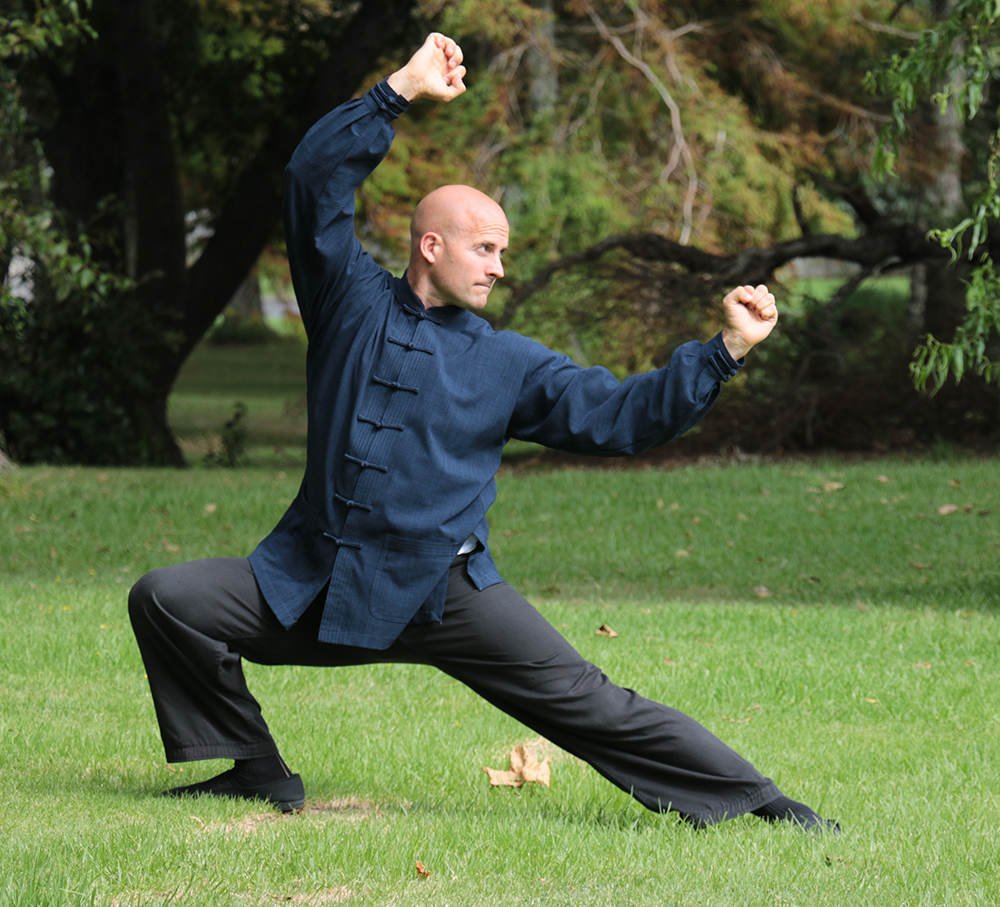
The core of the session transitions into the Emei Mountain Qigong flows, a sequence that challenges the practitioner to develop a higher level of body awareness and spatial intelligence. In "The Fountain," the focus shifts to gathering energy, a movement that teaches the practitioner how to lift from the ground up, emphasizing the importance of a rooted stance. "Millstone Palm" follows, centering the action in the core; it is a movement that demands a turning of the waist, forcing the practitioner to stir their internal energy from the center rather than the limbs. In "The Clam," the use of an offset stance introduces the concept of balancing weight and spiraling energy through the hands, a subtle exercise in leverage and structural integrity.
As the sequence deepens, "The Spring" emphasizes balance and the necessity of pulsing movements, while "Fox Gazes at the Moon" incorporates vocalized breath releases—a technique that uses sound as a visceral tool to help dislodge and move stagnant energy within the chest and diaphragm. The flow culminates in "Crane Cools Wings," a final, expansive movement that opens the body, signaling a transition from the internal intensity of the sequence to a state of release. Each of these segments is designed with intellectual precision; they are not merely aesthetic patterns, but functional exercises in physical and energetic alignment, forcing the practitioner to move with a cohesion that is rarely required in the repetitive, sedentary nature of office-bound life.Options

The conclusion of the session is as critical as the introduction. Returning to the Wuji stance, the practice utilizes shaking exercises to release any residual tension that may have been stirred during the flows. This act of intentional shaking is a powerful tool for nervous system regulation, helping the body "reset" after the exertion. Final grounding breaths and a period of mindful walking then serve to integrate the benefits of the session, ensuring that the calm, focused energy cultivated during the practice is not left on the mat, but is instead carried forward into the demands of the day.
This practice represents a transformational framing of what it means to care for the self. By embracing the principles of Qigong, the practitioners at Rooted Alchemy are not suggesting an escape from reality; they are offering a toolkit for navigating it with greater resilience. In an era where "self-care" is frequently commercialized into a series of luxury purchases or passive experiences, this approach reminds us that the most potent resources for health—our breath, our movement, and our presence—are already within us. The true power of this session lies in its accessibility and its emphasis on the individual’s role in their own energetic maintenance.
Ultimately, the Emei Mountain flows and the disciplined stillness of Wuji combine to create a counter-narrative to the exhaustion of modern existence. It is a reminder that we possess the agency to shift our internal state, to move from tension to flow, and from distraction to connection. Through the intelligent curation of these traditional movements, Rooted Alchemy has crafted an experience that speaks to the universal need for grounding. It is an invitation to inhabit our bodies with precision and grace, recognizing that the ability to remain stable, flexible, and centered is the most effective strategy we have for thriving in an increasingly unstable world. As the mindful walk concludes, the benefit is clear: the practitioner is not just moving through their day; they are moving with it, supported by a body that has been reminded of its own capacity for balance, vitality, and peace.