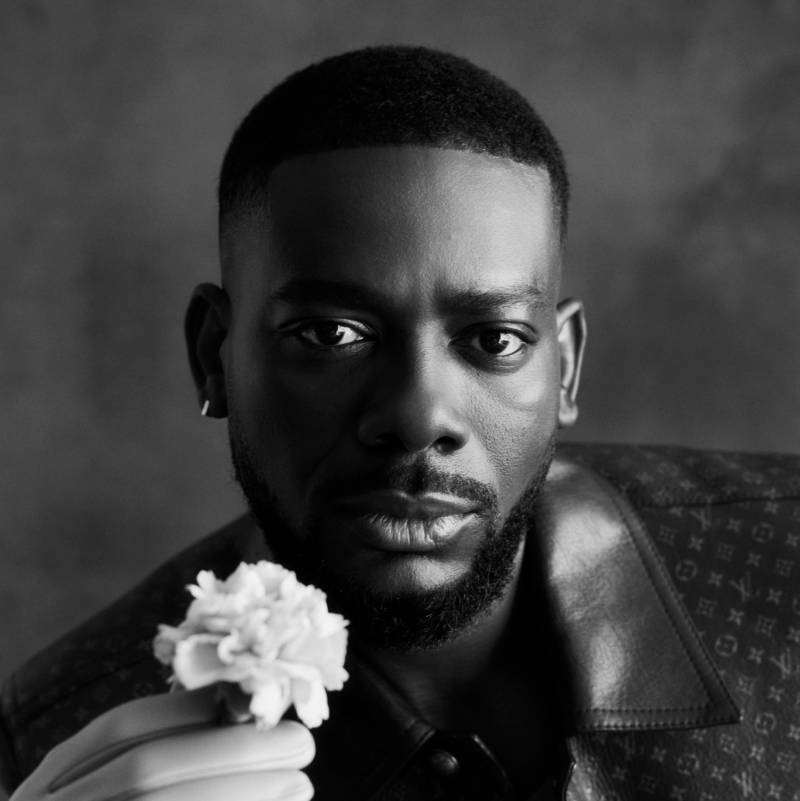
Accra, Ghana - In a powerful recent episode of the One54 podcast, hosts Godfrey and Akbar sat down with Grammy-nominated artist and activist Vic Mensa to discuss the "glory of Africa" and his ongoing mission to heal the historical rift between Black Americans and the continent. Mensa, a Ghanaian-American hailing from Chicago’s South Side, used the platform to advocate for a cultural "re-education," citing the deep personal and political ties that have long connected the American Civil Rights movement to African liberation—notably recalling that Martin Luther King Jr. and Coretta Scott King were present for Ghana's Independence Day in 1957. A significant portion of the dialogue focused on the impact of modern digital media in dismantling long-standing stereotypes. Mensa specifically lauded American streamer IShowSpeed’s recent 20-country tour of Africa, which concluded in January 2026. The rapper credited the tour’s raw, unfiltered livestreams with "singlehandedly undoing a massive amount of propaganda" by showing millions of global viewers the modern reality of African cities and traditions. "Speed's tour is literally eroding the colonial myth," Mensa remarked, noting that seeing the streamer experience everything from the Sahel's history to modern Nigerian life provided an "authentic cultural reset" for a Western audience often fed "anti-intellectual" narratives.

Related article - Uphorial Shopify


Mensa’s commitment to this bridge-building is reflected in his co-founding of the Black Star Line Festival in Accra with Chance the Rapper. The festival, which brings together global icons like Erykah Badu and Dave Chappelle with African titans like Sarkodie and Stonebwoy, is designed to turn the "Gateway to Africa" into a permanent vessel for solidarity. On a personal level, Mensa shared how tracing his ancestry to the Sahel region—spanning Burkina Faso, Senegal, and Mali—inspired him to name his son Mansa Musa, after the legendary Malian emperor, and served as the creative backbone for his recent project Sundiata. The conversation also turned toward the economics of the music industry, where Mensa spoke candidly about his grueling but rewarding journey toward full independence. Having reclaimed his music masters, he criticized the current streaming model for significantly undervaluing artists, describing the emotional toll and financial instability it creates. By taking over every aspect of his business—from location scouting and payroll to tech development—Mensa is positioning himself as a blueprint for the modern independent artist, emphasizing that the future of the industry must be built on direct fan engagement and the reclamation of artistic identity.