The quiet, invisible battles fought within the human mind are frequently far more destructive than any physical affliction, turning the internal landscape of an individual into a relentless prison of doubt and fear. For millions suffering from unrecognized psychological conditions, the daily existence is an exhausting obstacle course of intrusive thoughts and agonizing rituals that remain entirely hidden from the outside world. In a deeply moving, unflinchingly honest short cinematic exploration titled OCD: Once A Childhood Destroyed, the devastating toll of undiagnosed Obsessive-Compulsive Disorder is brought into sharp, compassionate focus. Through emotional precision, intelligent curation, cultural understanding, strategic storytelling, and transformational framing, this comprehensive news-style report examines a young man's descent into psychological isolation and his courageous path toward psychiatric healing.
The narrative centers on Honey, a young man whose life is gradually upended by an all-consuming, irrational terror that his hair is actively falling out, a debilitating fixation originally ignited by casual, thoughtless comments from those around him. Despite receiving explicit, repeated reassurances from medical professionals confirming that his hair is entirely healthy and structurally sound, Honey finds himself utterly incapable of breaking free from the suffocating grip of his anxiety. This unrelenting fear triggers a compulsive loop where he spends hours a day constantly checking his reflection, inspecting his scalp, and obsessing over every microscopic detail of his physical appearance. Through emotional precision, this opening phase captures the terrifying reality of obsessive-compulsive disorders, where logic and medical proof hold zero power against the chemical storms raging inside the mind.

Related article - Uphorial Shopify
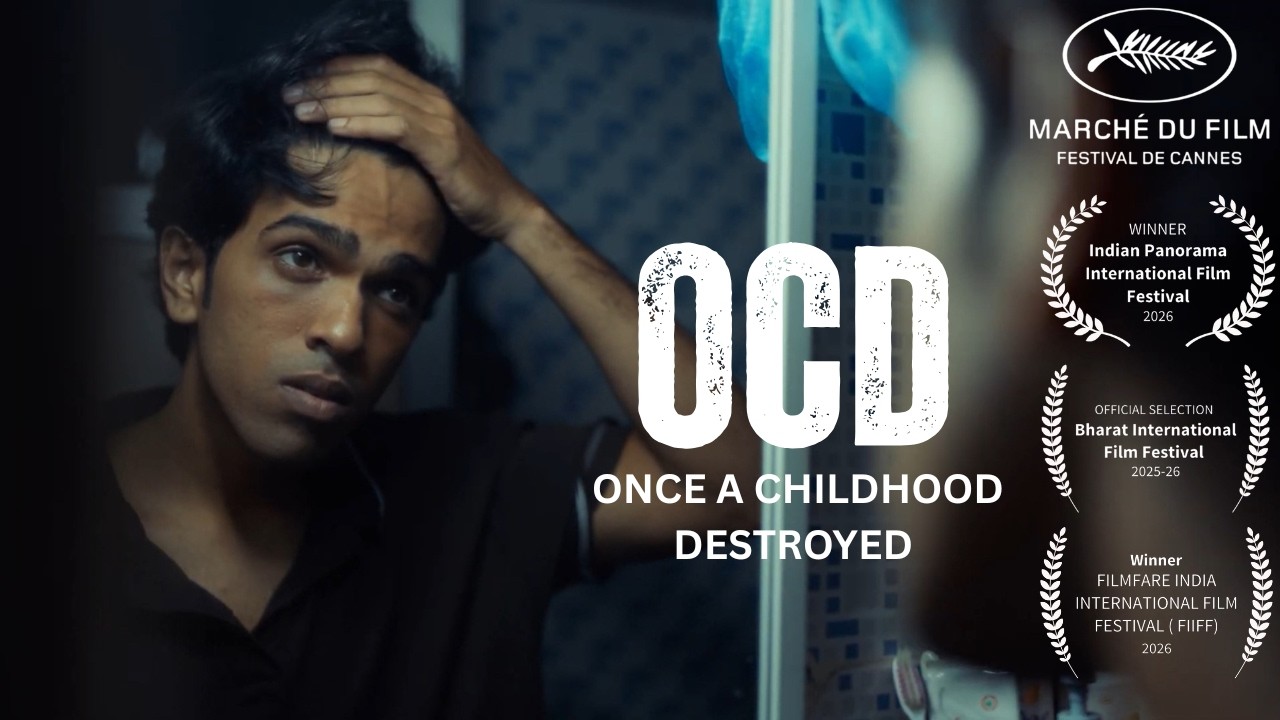
As this vicious cycle of unwanted, intrusive thoughts and repetitive, neutralizing actions tightens its grip, Honey’s daily functioning begins to fracture, severely damaging his personal relationships and driving him into profound social isolation. The obsessive loops consume his waking hours, turning basic tasks into agonizing ordeals and alienating him from friends, family, and the vibrant world surrounding him as he retreats further into his private fortress of anxiety. Through intelligent curation of mental health symptoms, the film illustrates how untreated psychological distress acts as a slow-moving corrosion, eroding a person's career, social bonds, and sense of self until they are entirely trapped by their own compulsions.
The turning point arrives through the gentle, persistent intervention of his romantic partner, whose loving awareness pierces through Honey's isolation and encourages him to finally seek professional help from a qualified psychiatrist. Through clinical evaluation, Honey learns that his harrowing experiences are textbook manifestations of Obsessive-Compulsive Disorder, a complex mental health condition defined clinically by obsessions—intrusive, unwanted thoughts that generate crushing anxiety—and compulsions, which are repetitive physical or mental acts performed to seek temporary, fleeting relief from that terror. Through cultural understanding of mental health stigma, this diagnostic revelation removes the shroud of personal shame, reframing Honey's struggles not as a personal failure or weakness of character, but as a legitimate medical condition requiring structured clinical intervention.
Embarking on a dedicated journey of recovery, Honey begins a comprehensive treatment plan supervised by mental health specialists, combining carefully prescribed pharmaceutical management with targeted psychotherapy. Therapy equips him with the cognitive tools to confront his intrusive thoughts without yielding to compulsive rituals, while medication helps regulate the neurochemical imbalances fueling his panic. By courageously addressing the deep-seated root causes of his anxiety rooted in a challenging childhood, Honey gradually learns to master his symptoms, quiet the relentless internal noise, and reclaim his quality of life and overall mental well-being. Through transformational framing, a harrowing portrait of psychological distress is elevated into an inspiring testament of human resilience—proving that with professional psychiatric intervention, unwavering support, and deep inner courage, it is entirely possible to break the overwhelming chains of OCD and rebuild a life of peace and freedom.