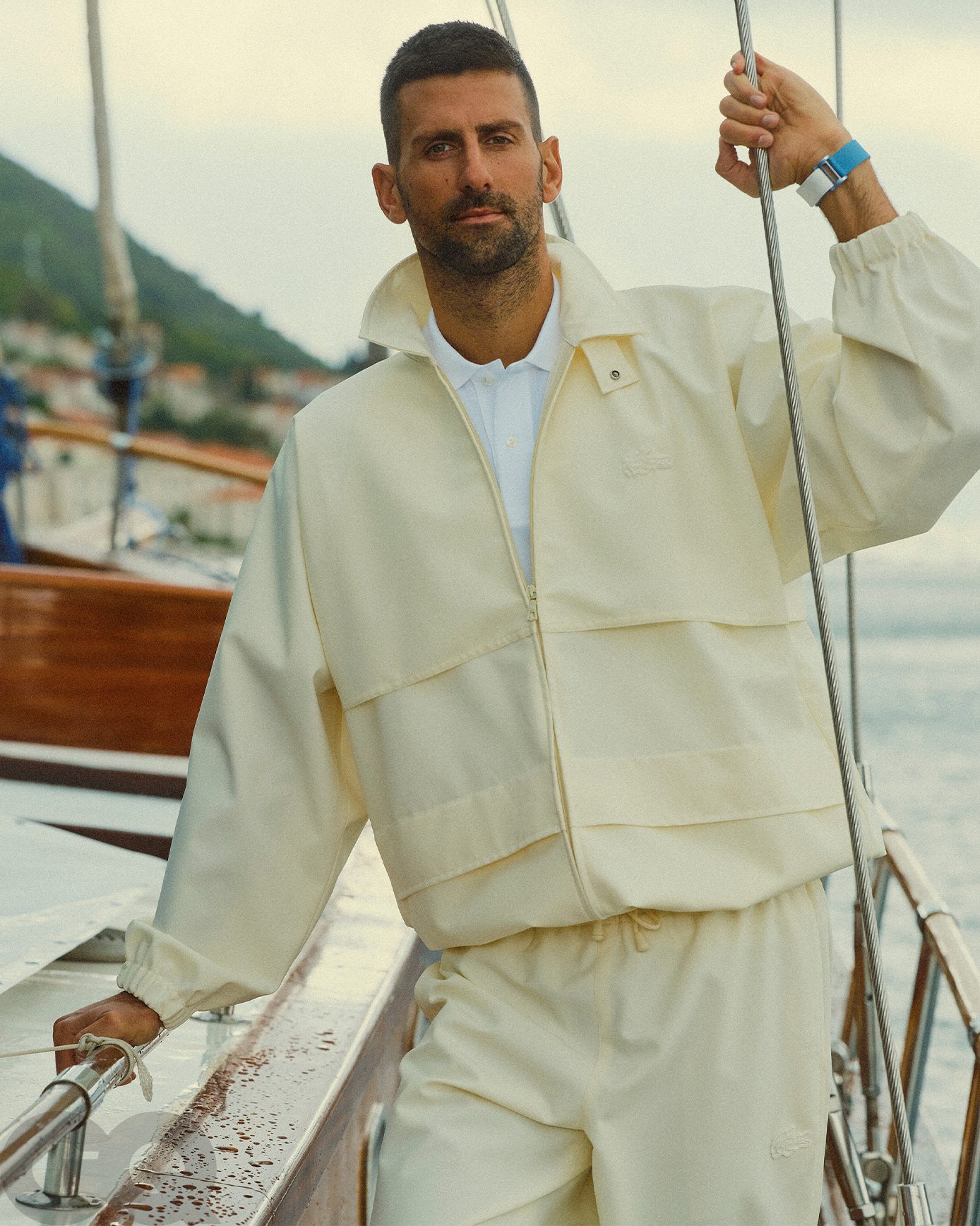
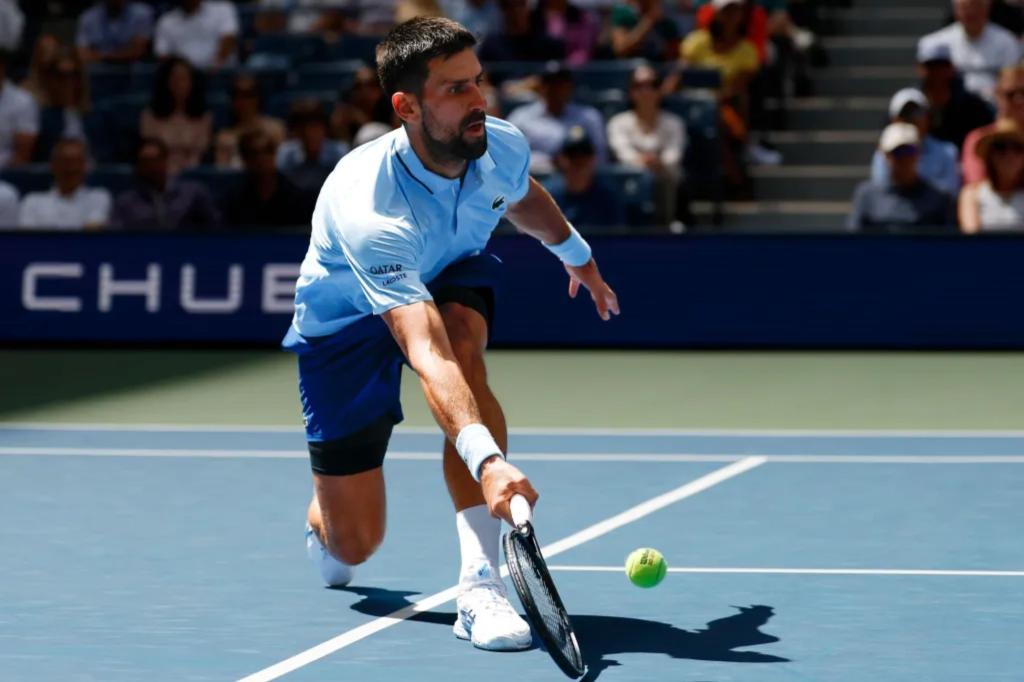
In this latest episode of On Purpose with Jay Shetty, Novak Djokovic isn’t just recounting victories, he’s unraveling the inner victories that shaped them. It’s a conversation that dives beneath the surface, through the turbulence of expectation and the quiet moments of surrender. This isn’t a podcast about tennis; it’s about the terrain of self-doubt and the art of becoming.
We don’t start with stats. We begin with a memory: a child with a racket, surrounded by voices telling him to be strong, emotionless. Now, decades later, Djokovic confesses that even a champion can feel hollow. He recalls how visualization, journaling, meditation, and the purity of classical music became his invisible scaffolding. The early lessons weren’t about winning; they were about feeling whole.
At the heart of his story lies a fissure many of us know too well: the fear that you’re not enough. Djokovic speaks plainly: even at the pinnacle, those feelings lingered. The medals and the applause didn’t silence them; they gave him a stage to face them.
Related article - Uphorial Radio

Jay Shetty Podcast - Novak Djokovic
Jay Shetty Podcast
This episode isn’t grandstanding. It’s a confession. When he faced injury, criticism, and hostile courts, Djokovic didn’t just fight a physical battle, he fought to return to himself. That return was forged by surrender, by emotional regulation, by presence. That’s the essence: success isn’t a trophy; success is mastery of the self.
Yet what makes this conversation soar is Novak’s revelation of pressure beyond the court. In a recent reflection, he admitted that the stoic ideal imposed on male athletes cast shadows even on his closest relationships. “No room for emotions,” he said—those words cost him connection, intimacy with his wife, until he learned otherwise.
The emotional borders of his rivals were also his lesson. With Federer, Nadal, and Murray gone, Djokovic admitted, “a part of me went with them.” Those rivalries didn’t just define his career; they shaped his identity, pushed him into the depths of resilience and introspection. Now facing a new generation, he doesn’t just compete, he mentors, sharing the weight and the wisdom those shared years instilled.
This is more than a conversation; it’s a ceremony. As Jay guides him, Djokovic peels back layers we rarely see: the expectation, the ego dueling with humility, the hidden dialogues of the mind.
Imagine the tune of a piano in the background, Novak's breath steady, the room still. He speaks of emotional arrest and then the soft release. That’s the real match.
By the end, you’re not just taking away a mental model, you’re carried by a story of emotional reclamation. Djokovic leaves you with a mirror: the next time you doubt, imagine his breathing, his surrender, not as weakness, but as a gateway to strength.
Because in the end, greatness isn’t forged by the stroke of a racket, it’s carved in the silence between the beats of your own heartbeat.