DALLAS - The sun set over the sprawling architecture of Dallas Stadium, but inside the arena, the atmosphere was incandescent. In a Round of 32 clash that will be etched into the folklore of the 2026 FIFA World Cup, Norway and Côte d'Ivoire collided in a match defined by tactical sophistication, individual brilliance, and the relentless pursuit of dreams. For the Ivorian side, this was uncharted territory—their first-ever knockout appearance on the global stage—while for Norway, it represented a golden opportunity to validate their return to the world’s elite.
From the opening whistle, the contest was a high-stakes chess match played at a frenetic tempo. The Ivorians, under the stewardship of Emerse Fae, arrived with a clear intent: to utilize their pace and width to unsettle the Scandinavian defensive line. Early in the match, the Ivorian pressure was palpable. Nicolas Pépé and his counterparts on the flanks moved with a fluidity that had become their trademark, repeatedly testing the resolve of the Norwegian backline. Yet, the Norwegian defense, anchored by disciplined positioning and clinical clearance work, stood firm.The breakthrough, when it finally arrived in the 39th minute, was a testament to the unpredictable magic of knockout football. Norway’s Antonio Nusa, a young talent with a penchant for the dramatic, found himself in a pocket of space on the right side of the penalty area. With the confidence of a veteran, he maneuvered inside, skillfully creating a yard of separation before unleashing a curling, bending strike that drifted past the reach of the Ivorian goalkeeper. It was a goal of exceptional quality—a moment that turned a tight, attritional battle into a tactical dilemma for Côte d'Ivoire.

Related article - Uphorial Shopify
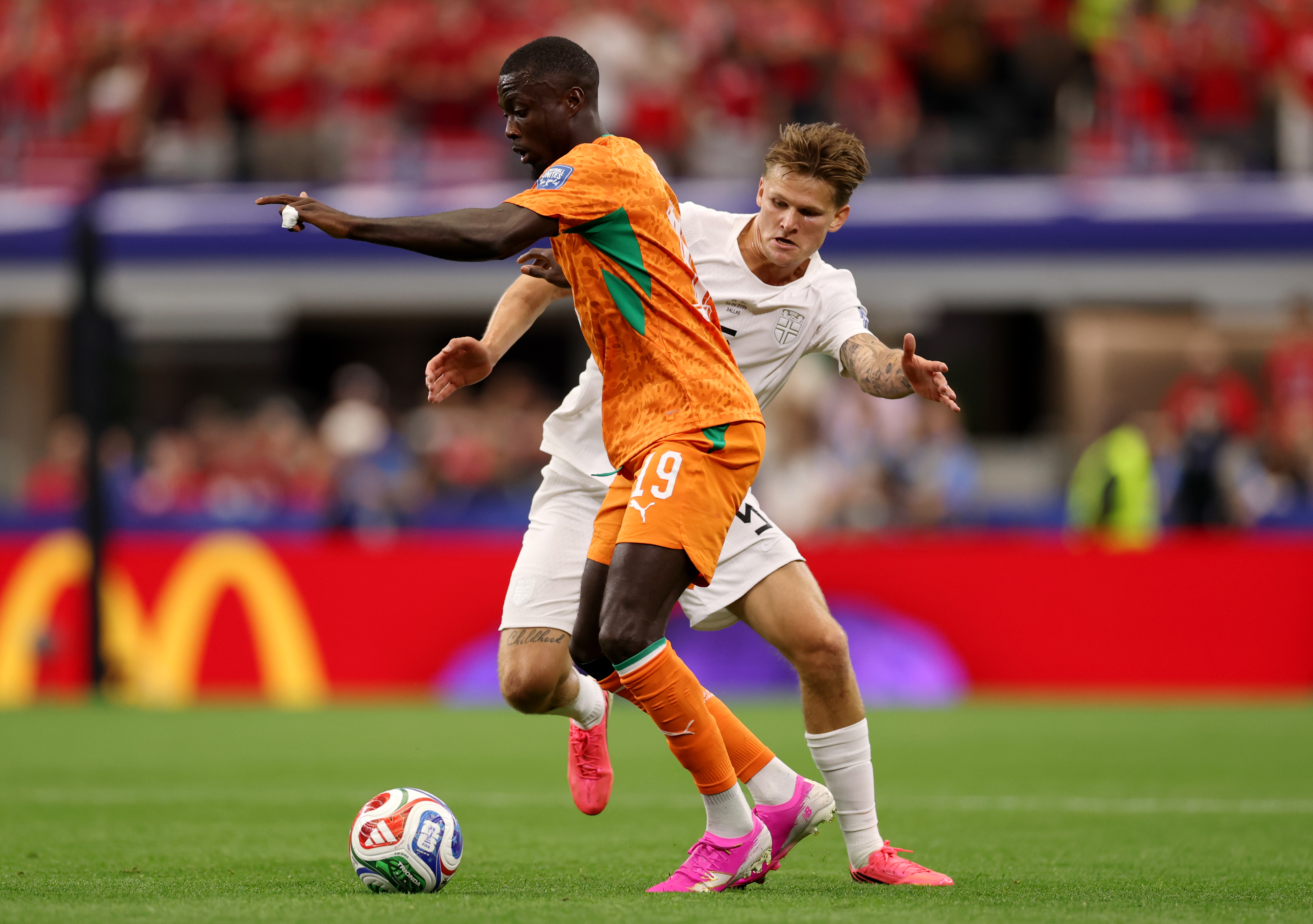
As the match progressed into the second half, the tension shifted. The Ivorians, refusing to let their historic run conclude on a quiet note, surged forward with renewed desperation. The contest became a theater of defensive heroics; moments of intense pressure saw a vital clearance off the line by Torbjørn Heggem and a sprawling save from the Norwegian goalkeeper to deny Pépé, who had been threatening throughout the evening. The air in Dallas was thick with the weight of expectation.The turning point for the Ivorians arrived with the introduction of Amad Diallo. A substitution that changed the tactical landscape of the match, Diallo brought an immediate spark of creativity to the attack. In the 74th minute, his persistence paid off in spectacular fashion. Playing a slick one-two combination with Pépé, Diallo utilized a piece of individual wizardry—quick feet taking him past two defenders—before opening his body and firing an emphatic, low strike into the back of the net. The stadium erupted, a sea of orange celebrating a leveler that felt both inevitable and hard-earned.
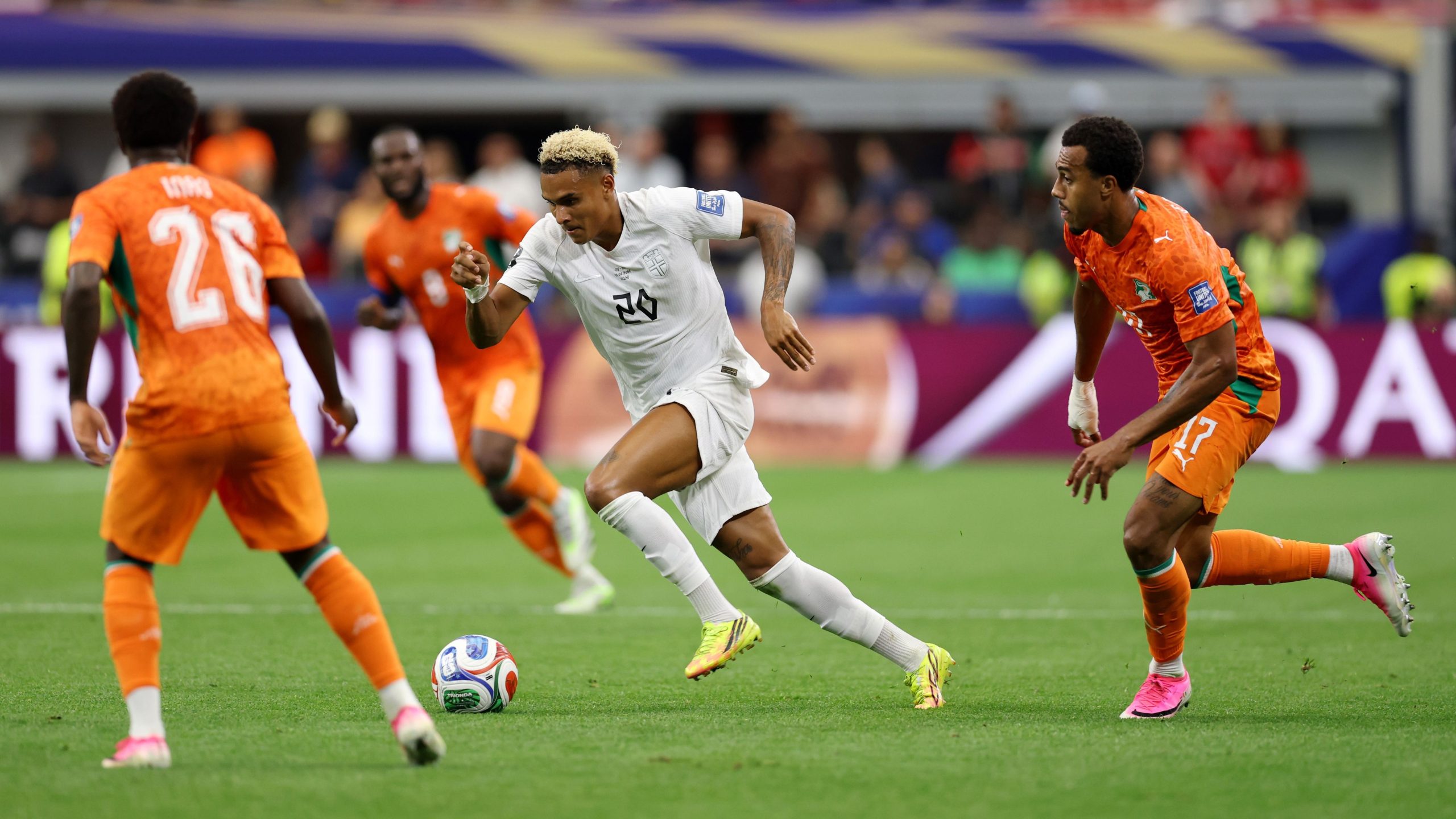
For a brief, electric window of time, the momentum swung entirely in favor of the Ivorians. Diallo, clearly feeling the magnitude of the moment, came agonizingly close to completing a stunning comeback minutes later. He stepped up to a free kick from distance, whistling a magnificent, curling effort toward the top corner, only to be denied by an equally spectacular save from the Norwegian keeper. It was a display of technical persistence that epitomized the spirit of a team playing without fear.Yet, in the final act, the cruel reality of tournament football took hold. With the clock ticking down and the prospect of extra time looming, Norway proved why they are counted among the world's most clinical outfits. Erling Haaland, a force of nature who had been largely contained for long stretches of the evening, found his moment in the 86th minute. Following a low, dangerous cross from Patrick Berg, Haaland moved with the predatory instinct of a world-class striker, stabbing the ball home from close range to restore the Norwegian lead.
As the final whistle echoed through the Dallas night, the narrative of the match was clear. Norway had survived a formidable challenge, securing their path to a Round of 16 showdown against Brazil. For Côte d'Ivoire, the loss was a heart-wrenching end to a transformative tournament, but there was no shame in the defeat. They left the pitch with their heads held high, having proven that they belong among the heavyweights of the global game. The match was more than just a scoreline; it was a testament to the beauty of the sport—the contrast between Norway’s ruthless efficiency and the vibrant, creative defiance of an Ivorian side that, for one evening in Texas, made the whole world watch.