The nomination of Nnena Kalu for the Turner Prize, a significant moment highlighted in the Tate’s presentation of her work, represents a watershed for the art world and the learning-disabled community across the UK. This recognition places a learning-disabled artist, particularly one who uses limited verbal communication, on a major exhibiting level, ensuring her work is featured at venues like Manifesta and is being published and written about.
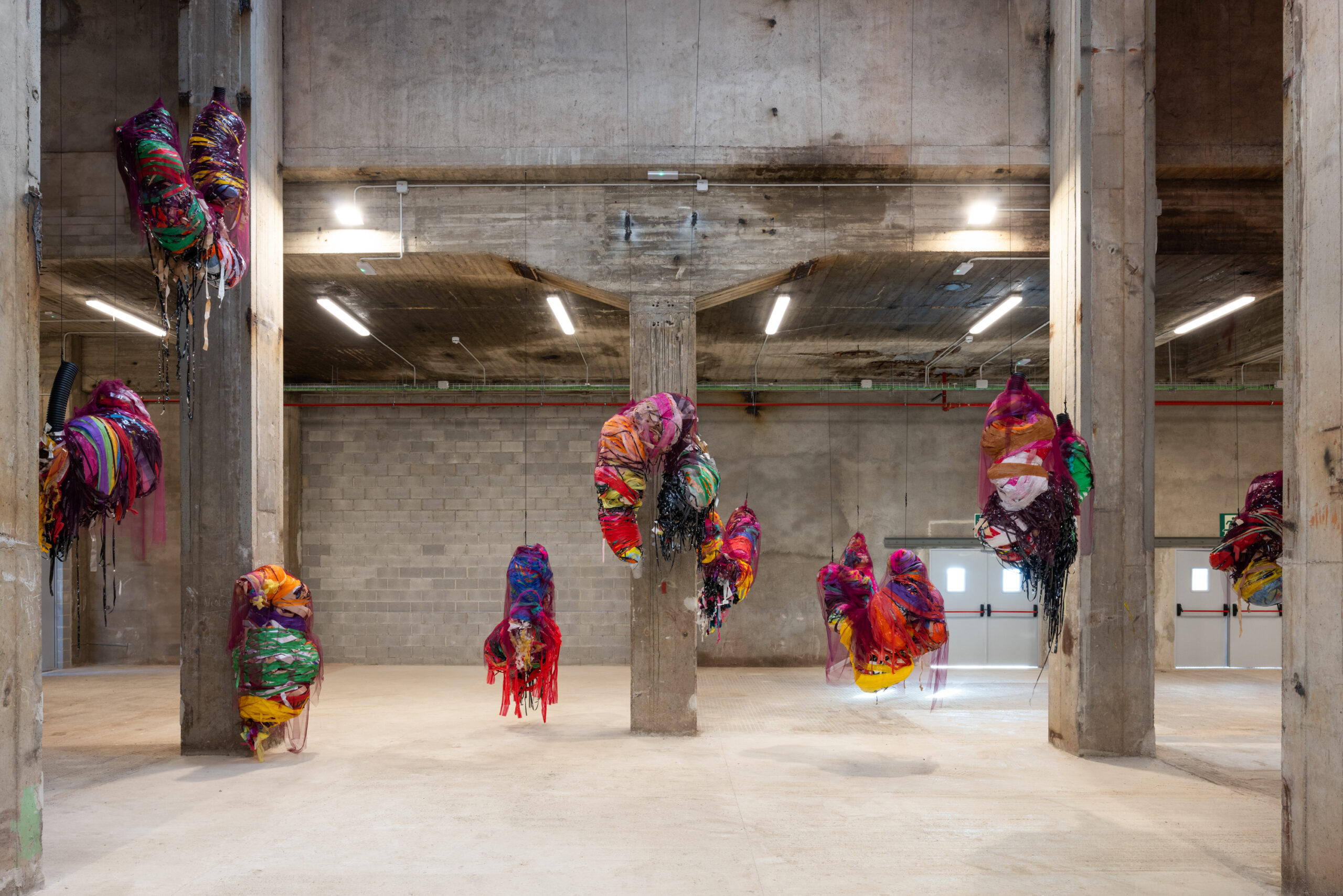
Kalu’s artistic practice, which has developed alongside Action Space since 1999, is defined by an innate, compelling rhythm that governs her output, whether she is drawing, knotting, or wrapping. This consistent pace is so fundamental that it is likened to "listening to the sound of the sea coming in and out". From the earliest stages of her career, Kalu exhibited a powerful creative drive and a clear need to layer and continuously build upon her creations. This necessity led to the use of materials like VHS tape, which she "completely adores," to realize her concept of a continuous line that she takes on a "really long journey," building and shaping it through an intensely rhythmic and repetitive process.
Related article - Uphorial Radio

Her practice is described as contemporary, exciting, fresh, and deeply relatable. When Kalu is making art, she truly "comes into her own," demonstrating incredible drive and passion that confirm her status as a true artist. Her engagement with her work is deeply physical and joyous; her sculptures are dictated by the movement of her body, showing that she is "completely in tune with her materials". Watching her work is considered "absolutely beautiful," often accompanied by music—she loves Abba, Michael Jackson, and Stevie Wonder—as she is frequently found rapping, dancing, or painting. The joy found in this process causes her to glow.
Kalu’s artistic journey demonstrates a clear progression and evolution. Initially, her work featured clusters of color laid down in rows for many years. However, around 2013, she abruptly transitioned to creating circular vortexes. A pivotal shift occurred during a project for Wandsworth Arts Fringe when access to an empty shop provided significantly more space and materials. This expansion allowed her 3D work to flourish, leading her to bind materials around architectural features like security features and blinds until she created what was described as an "amazing city". Her career has been a journey of scaling up, transforming smaller pieces into far more complex, giant creations.
Action Space has played a critical role in facilitating Kalu's work, growing its own ambition alongside hers. While the support of Action Space is necessary for her practice, this does not diminish her genius; she is emphatically the artist. Action Space serves as agents and advocates for learning disabled artists, supporting curators and institutions in accessing and collaborating with this community. The visibility provided by the Tate, particularly through the Turner Prize nomination, is encouraging younger people in the learning-disabled community, establishing Kalu as a vital role model. It is essential, however, that her practice is not limited solely through a disability lens; every major exhibition she undertakes brings out something new, showing her practice constantly moving forward. Kalu is now represented by the gallery Kadia and Missa, who are supporting her attendance at international art events like Frieze and Basil, positioning her for future global successes.