The cinematic landscape is defined by its ability to mirror the anxieties, dreams, and historical echoes of our present moment. As we navigate the twenty-first week of the 2026 film calendar, the latest slate of trailers offers a profound reflection of this dynamic, showcasing a breadth of storytelling that ranges from the intimate tremors of personal trauma to the explosive scale of global conflict. This curated selection of upcoming releases is more than a mere marketing exercise; it is an intelligent exploration of the human condition, inviting audiences to confront the pressures of power, the persistence of memory, and the fragility of our social and physical boundaries.
The dramatic offerings this week lean heavily into the tension of the unexpected. Little Brother presents a taut, suspenseful narrative centered on the sudden intrusion of a stranger claiming a lost familial tie, a premise that masterfully exploits our inherent fear of disruption and the instability of identity. This theme of personal reckoning continues in Couture, a high-stakes industry drama that peels back the polished facade of the fashion world to reveal the brutal intersections of corporate ambition and personal health struggles. It serves as a reminder that even the most aestheticized lives are often built upon a framework of profound internal volatility.
The historical lens remains a central pillar of narrative ambition, with Pressure standing as the week’s most formidable addition to the war genre. By focusing on the agonizing, high-stakes decision-making behind the D-Day invasion, the film promises to move beyond the tropes of combat to examine the psychological weight of leadership at the precipice of history. This gritty, existential focus is mirrored in Lucky Strike, a film that strips away the grandeur of military strategy to focus on the raw survival of soldiers caught in a desperate, high-stakes battle against the SS. These narratives are not merely historical reenactments; they are transformational framings of the past that challenge us to consider the immense individual costs hidden within the official record of major world events.
Fantasy and global-scale thrills offer a stark contrast to these grounded dramas. Masters of the Universe invites audiences into the vibrant, mythic struggles of Eternia, positioning Adam’s journey to restore peace against the iconic malice of Skeletor as a grand-scale examination of destiny and power. At the opposite end of the tonal spectrum, Stop! That! Train! injects a necessary, high-energy levity into the lineup. By positioning a chaotic Presidential mission atop a runaway locomotive, the film promises an action-packed, comedic take on the fragility of state security. It is a strategic juxtaposition, reminding viewers that cinema’s capacity for absurdity is just as important as its capacity for gravitas.

Related article - Uphorial Shopify

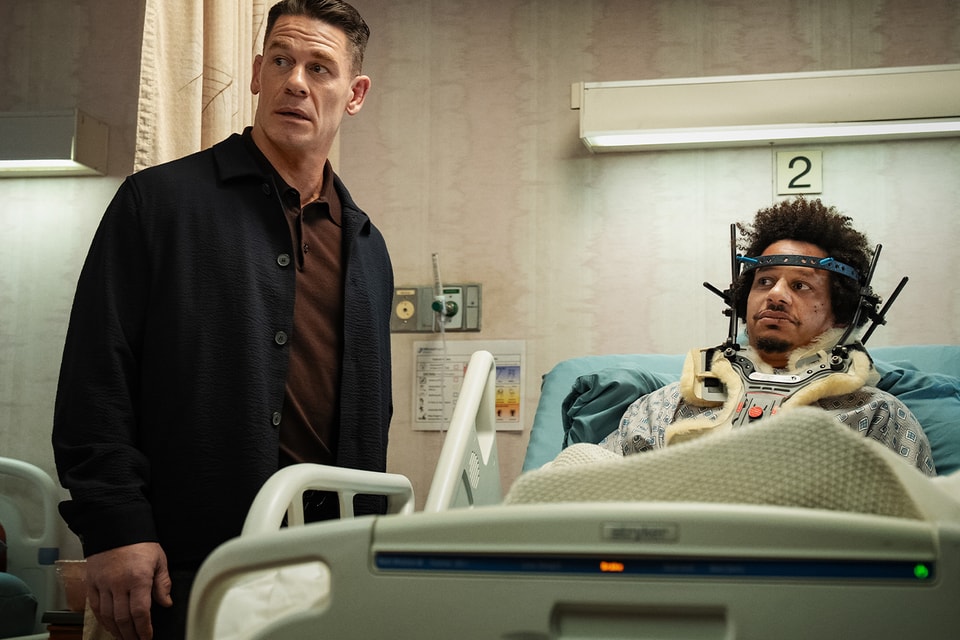
The exploration of societal fractures is perhaps most elegantly captured in Rich Flu, a thriller that presents an uncomfortable, speculative scenario: a virus that selectively targets the wealthiest individuals on the planet. This premise serves as a provocative lens through which to view our current global economic anxieties, forcing a confrontation with the inequality that defines modern life. In a similar vein of societal tension, Broken Land navigates the murky, high-stakes terrain of border security and mystery, focusing on the individuals trapped in the precarious spaces between nations. Both films highlight the power of genre storytelling to tackle uncomfortable realities, using the "what if" of fiction to interrogate the structures of our actual world. The human capacity for connection and the persistence of grief anchor the week’s more intimate offerings. Voicemails for Isabelle provides a tender, romantic comedy-drama built on the foundations of loss. By focusing on a woman who maintains a one-sided dialogue with her deceased sister through voicemails, the film explores the healing potential of unexpected connections, proving that even in the wake of profound absence, life finds a way to move forward. This sentiment of reflection is extended through the celebration of industry legends; the 40th anniversary look back at the classic comedy The Birdcage serves as a reminder of the enduring power of laughter to break down social barriers, while JIMMY, a biographical portrait of Jimmy Stewart, examines the deeply personal, often invisible cost of fame, contrasted against the quiet, haunting reality of the actor’s own wartime service.

This week’s trailers represent a sophisticated, multi-faceted look at the stories we choose to tell. Whether through the lens of a historical war drama or the speculative terror of a pandemic targeting the elite, the common thread is a commitment to exploring the friction between the individual and the world they inhabit. There is an emotional precision in these selections that recognizes the audience’s desire for more than mere escapism; we are seeking narratives that challenge our perceptions, acknowledge our losses, and celebrate the resilience required to navigate the unknown. As we look toward the upcoming season, the diversity of these films suggests a healthy, vibrant industry that understands the necessity of balance. We are being offered a roadmap of the human experience—from the high-speed thrills of a runaway train to the quiet, melancholy cadence of a voicemail left for the dead. It is a reminder that film remains our most potent tool for cultural understanding. By curating such a broad spectrum of perspectives, these narratives allow us to occupy space we might otherwise never visit, to empathize with people whose struggles differ from our own, and ultimately, to see our own reflections in the wide, complex mosaic of the global screen. In the coming months, these films will offer us more than just entertainment; they will provide a mirror, a map, and perhaps, a small, essential measure of catharsis.