NEPAL – In the towering, oxygen-starved heights of the Himalayas, there exists a tradition that defies the modern boundaries of safety and common sense. It is a pursuit that has been etched into the cultural identity of the Gurung people for generations, a practice as ancient as the cliffs themselves and as volatile as the potent substance it seeks to secure. Filmmaker Ruhi Çenet’s latest documentary offers a harrowing, intimate window into this world, chronicling the perilous hunt for "mad honey"—a substance that is as revered for its medicinal properties as it is feared for its physiological toxicity. The resulting film is not merely an adventure story; it is a profound exploration of the intersection between human tradition, the raw power of nature, and the irreversible cost of crossing the line into the unknown.
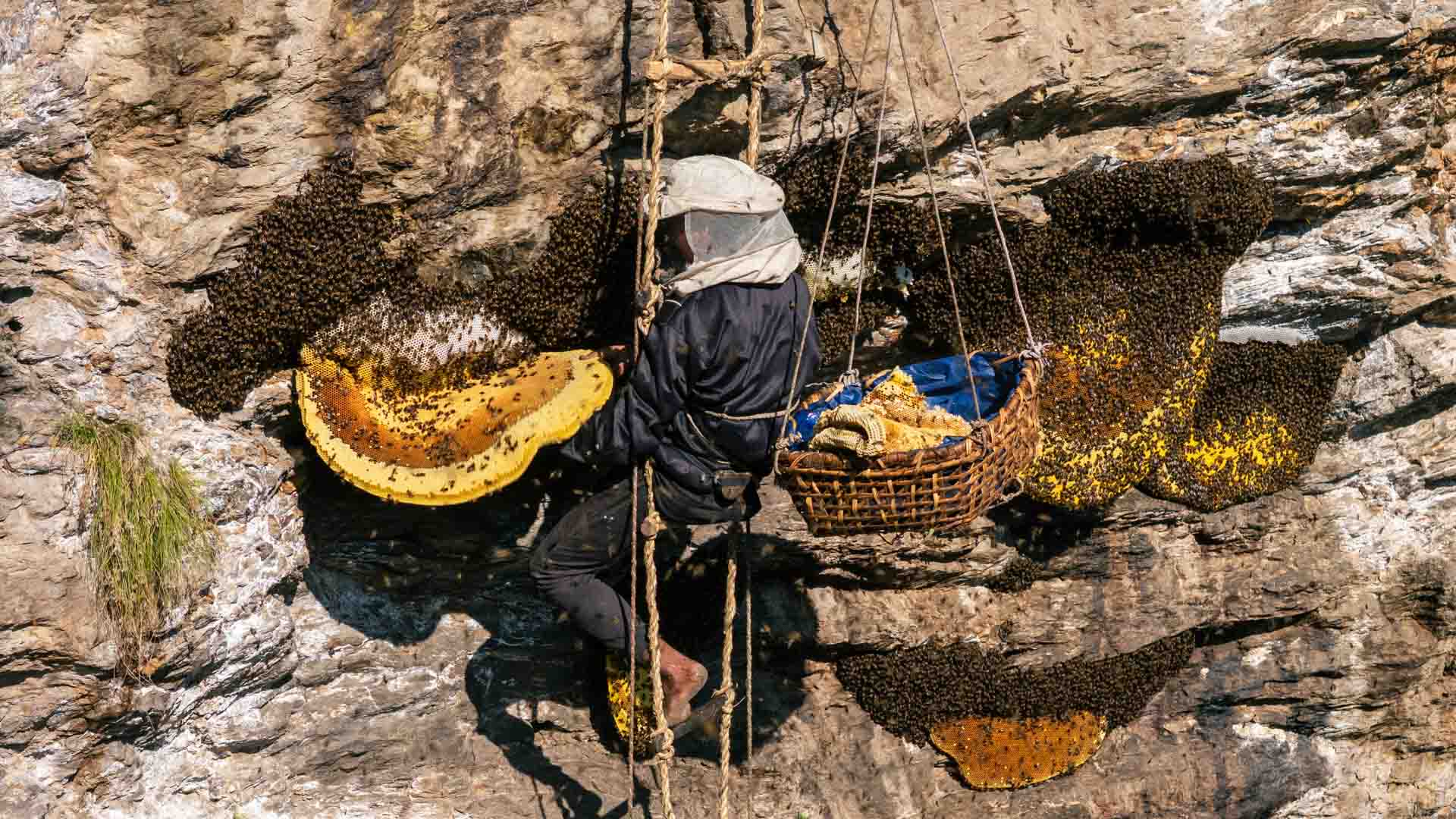
The honey itself, produced by Apis laboriosa—the largest honey bee on the planet—is a product of a specific, high-altitude geography. Its unique, intoxicating properties are derived from the grayanotoxins found in the nectar of Himalayan rhododendron flowers. In small, carefully curated doses, the honey is utilized by the Gurung people as a traditional medicine. However, when consumed in excess, its effects are not therapeutic, but devastating. The toxin acts upon the nervous system, potentially triggering a cascade of dangerous symptoms, ranging from severe dizziness and vomiting to paralysis and acute heart failure. It is a substance that demands respect, a botanical weapon refined by the high-altitude climate that has become a focal point of obsession for outsiders who are drawn to its hallucinogenic allure.The process of harvesting this honey is an act of sheer physical audacity. The documentary captures the Gurung hunters as they ascend hundreds of meters up sheer, vertical cliffs, relying exclusively on rudimentary tools and handmade rope ladders that have been passed down through generations. The scene is one of stark emotional precision: the hunter is suspended in the void, battling thousands of aggressive bees that swarm with defensive intensity, all while navigating a vertical landscape that offers no margin for error. It is a dance with gravity and poison, a display of skill that highlights the deep, ancestral connection the Gurung have with their environment. Yet, the film also exposes the economic asymmetry of the practice; while the honey commands astronomical prices on the global market, the hunters who risk their lives on the cliff face see only a fraction of the profit, a reality that adds a layer of tragic irony to the cultural legacy being documented.
Related article - Uphorial Shopify
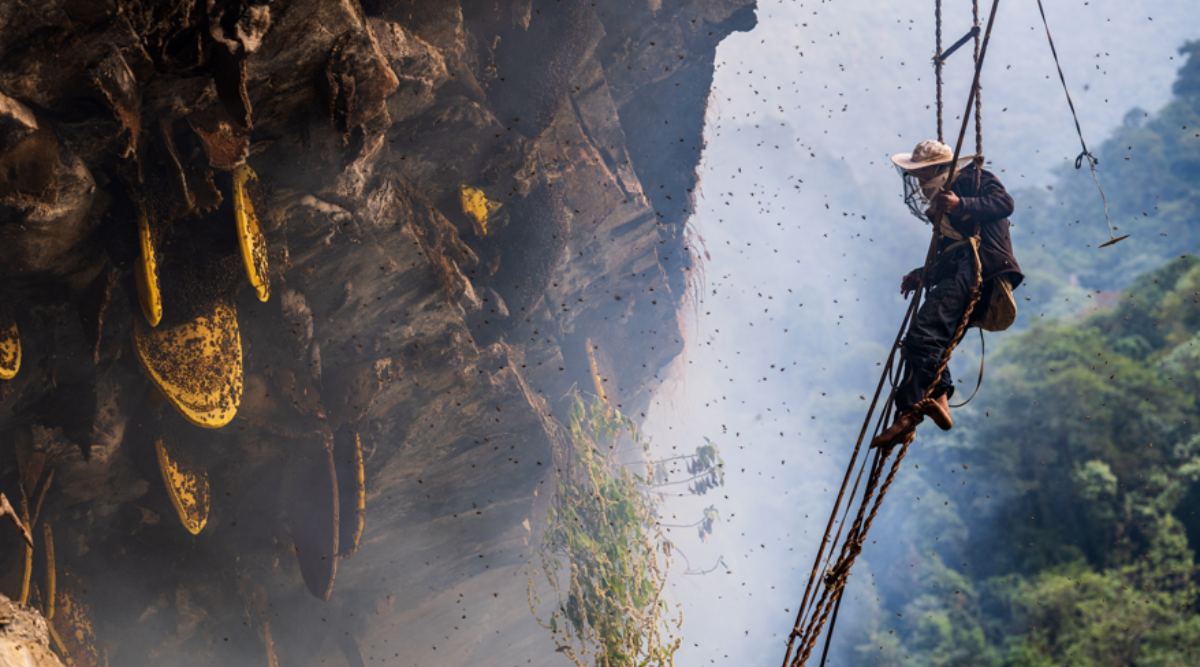
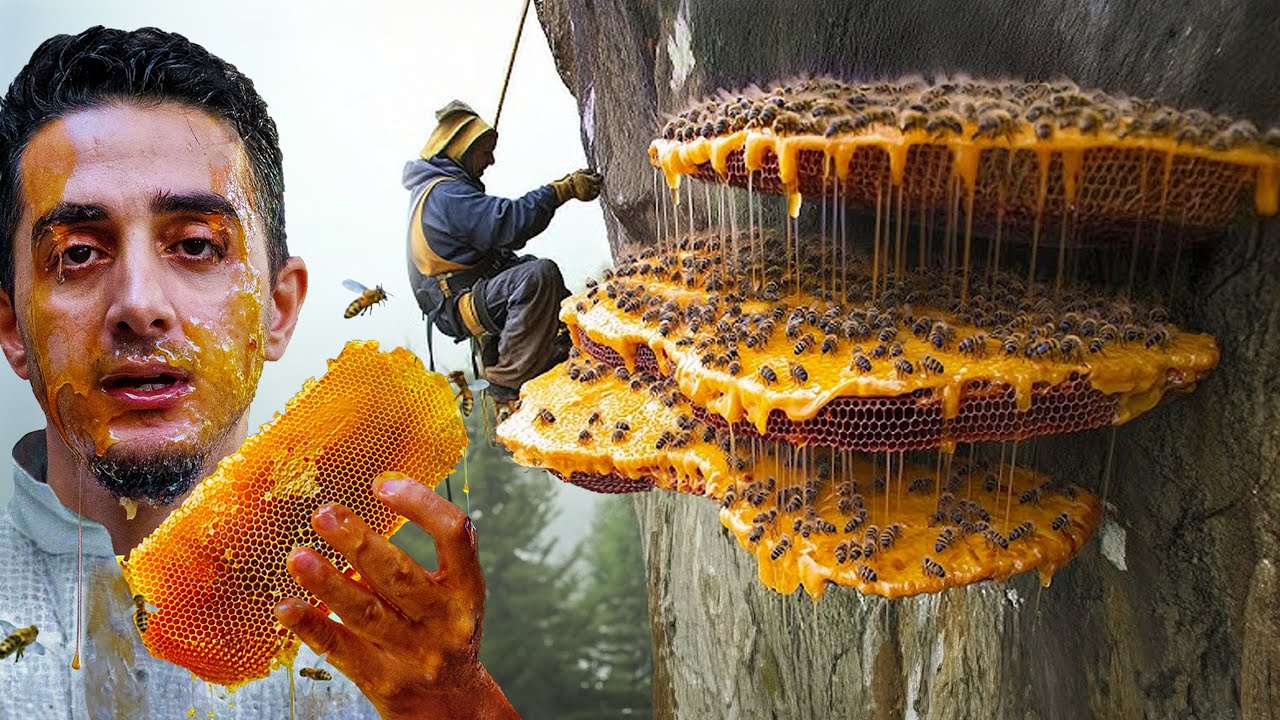
The documentary’s narrative reach extends beyond the observation of the harvest; it ventures into the territory of experiential journalism when Ruhi Çenet chooses to consume a portion of the honey. This is the moment of transformational framing, where the filmmaker moves from the role of the observer to that of the subject. The results are immediate and sobering: a rapid onset of severe nausea, a terrifying fluctuation in body temperature, deep-tissue numbness, and an all-consuming exhaustion. Çenet’s experience serves as a stark, unvarnished cautionary tale, stripping away the romanticism often associated with "exotic" substances and replacing it with the brutal reality of their impact on the human frame. It is a visceral reminder that some boundaries exist for a reason, and that the allure of the "forbidden" can quickly turn into a struggle for basic biological survival.

As an act of strategic storytelling, the film skillfully navigates the tension between the preservation of a disappearing traditional practice and the ethical implications of documenting such high-stakes peril. It provides a cultural understanding of why the Gurung people continue to undertake these climbs—it is not merely for the reward, but for the continuity of a life lived in harmony with a landscape that is both provider and predator. The documentary respects the depth of their legacy while refusing to minimize the dangers they face, successfully balancing the admiration for their craftsmanship with the sober awareness of the risks they are forced to take in a world that is increasingly encroaching upon their isolated way of life.The significance of the work lies in its ability to force the viewer to confront the limits of our own experience. In an era where the entire world is increasingly mapped, documented, and accessible, the hunt for mad honey remains a holdout of the truly mysterious and dangerous. It represents a reality that cannot be sanitized or distilled into a simple headline. By bringing this world into the digital sphere, Çenet has curated a document that is both an homage to a fading craft and a sober look at the volatile nature of remote environments. It is a reminder that there are still corners of the Earth where the rules are written not by human convenience, but by the relentless, unyielding laws of nature.
Ultimately, the documentary is a work of immense emotional weight. It leaves the audience not with a sense of triumph, but with a lingering, unsettling question about the intersection of human ambition and natural boundaries. As the Gurung hunters continue to ascend their cliffs, and as the outside world continues to cast its hungry gaze upon their harvest, the film stands as a critical checkpoint in the conversation about cultural preservation and the commercialization of the extreme. It is a powerful, visually arresting exploration that demands the viewer to reconsider what it means to truly respect the traditions of another, and to acknowledge the profound courage required to thrive in a landscape that never asked for us to be there.The film, in its final, haunting frames, asks us to consider the future of such practices. Will the pressure of global demand and the erosion of local isolation eventually extinguish the fire of the Gurung tradition, or will it be protected as a vital piece of our collective, human history? The answer remains hidden in the high-altitude fog, just like the bees themselves. For now, we are left with the footage—the dizzying heights, the swarming bees, and the steady, unbreakable hands of the hunters—as a profound testament to a way of life that exists at the very edge of the possible.