LEXINGTON - The track at the University of Kentucky in Lexington is a storied expanse of blue, but on this humid afternoon, it became the crucible for a generation of distance runners fighting for their place on the national stage. The 2026 NCAA Division I Men’s 10,000-meter East semifinal was never intended to be a victory lap; it was a desperate, tactical, and profoundly demanding audition for the 12 spots available at the upcoming national championship in Eugene. Forty-eight athletes lined up at the start, each carrying the weight of a season’s worth of training, only to be reduced to the singular, unyielding math of the finish line. This was not merely a race of speed; it was a psychological endurance test where the margin between glory and the end of one’s collegiate season was measured in fractions of a second.
The race began as a dense, shifting mosaic of humanity—a pack of forty-eight bodies moving in a synchronized, claustrophobic rhythm. In these opening laps, the energy was palpably conserved, a tactical stillness that masked the rising internal temperature of the field. Matias Reinaga moved to the front early, setting an tempo that was more about positioning than pushing, a necessary caution for a 25-lap marathon of wills. Every runner in that pack understood the stakes: to burn too much energy too early was to court catastrophe, yet to stay buried in the back was to risk being boxed in when the pace finally fractured. It was a high-stakes game of physical chess, where the wind resistance and the strategic choice of lane became the primary factors of survival.
As the race pushed past the midway point, the facade of the tactical pack began to dissolve. The air grew thinner, the footsteps heavier, and the natural order of the field began to assert itself. It was here that the collective experience of the Alabama contingent began to exert a gravitational pull on the race, with Dennis Kipruto moving to the forefront. Beside him, Elsinore Kipruto, the collegiate leader from Louisville, transitioned from the observer to the architect of the pace. The shift was visceral; the steady, rhythmic click of spikes on the track quickened, transforming the race into a series of jagged, high-intensity segments. The front group thinned out with a ruthless efficiency, leaving the stragglers to fend for themselves while the true contenders began to define the limits of the competition.
Related article - Uphorial Shopify
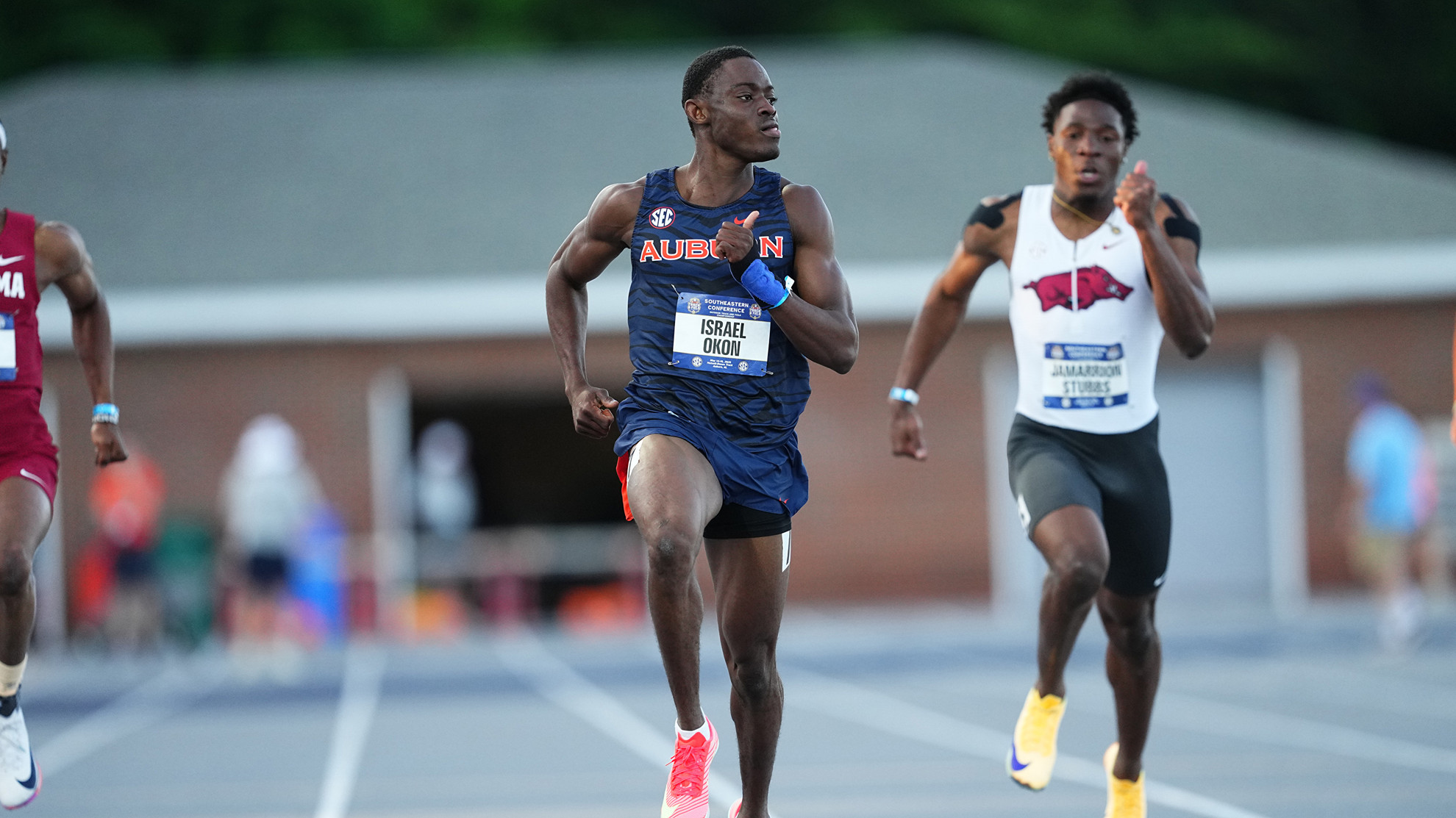
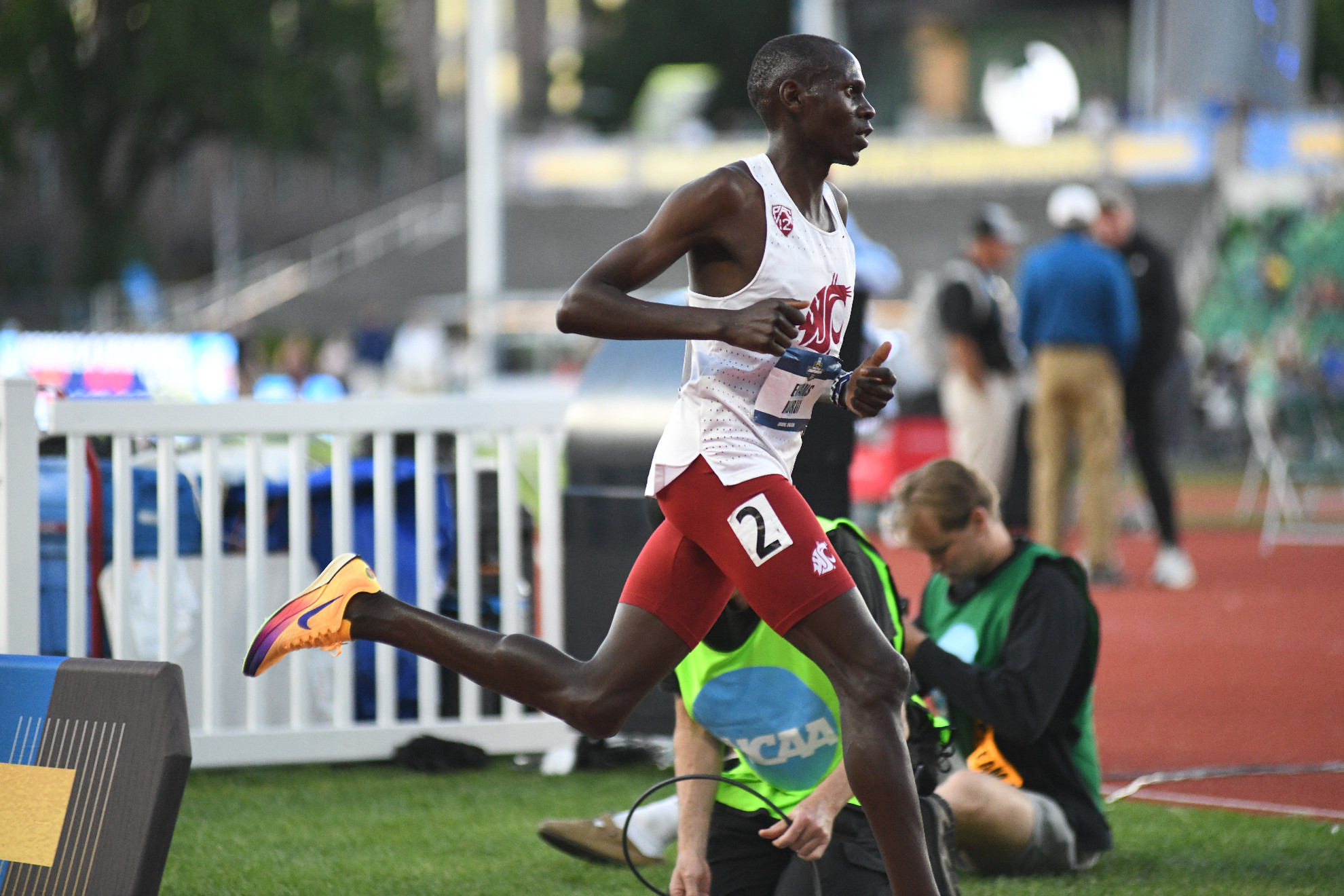
By the final kilometers, the drama had centered on a lead triumvirate that seemed to operate in a different reality than the rest of the field. Elsinore Kipruto, Dennis Kipruto, and Kelvin Cheruiyot had successfully detached themselves, forging a gap that sent a ripple of anticipation through the stadium. There is a specific, haunting beauty to a three-man break in a 10,000-meter race; it is a display of raw, unfiltered athleticism where the pretense of tactics falls away, replaced by the sheer, brutal desire to reach the finish line first. As they rounded the final bends, the crowd in Lexington understood they were witnessing a passing of the torch. These were, remarkably, freshmen—a generation of athletes who had arrived on the collegiate scene with a preternatural calm and a disregard for the established hierarchy of distance running.When Elsinore Kipruto crossed the line, he did so not just with a win, but with a statement, shattering the facility record and cementing his status as the favorite heading into Eugene. Dennis Kipruto followed closely, taking second, with Kelvin Cheruiyot rounding out a podium that looked less like a result sheet and more like a declaration of the future of the sport. For the twelve qualifiers who punched their tickets to the NCAA Outdoor Track and Field Championship, the finish line was the culmination of a grueling, twelve-month cycle of discipline. For the others—those who finished thirteenth or further back—the race served as a stark, emotional reminder of the volatility of track and field, where a lifetime of preparation can be decided by the tactical errors of a single, fateful lap.

While the 10,000-meter race dominated the narrative of the evening, the air at the stadium was thick with the broader energy of the semifinals. The broadcast intermittently threaded in updates from the field, where the men’s shot put, long jump, and pole vault were unfolding in a parallel universe of explosive power. These events, though physically distinct from the endurance-based trial of the 10,000 meters, shared the same underlying tension: the desperate, focused pursuit of excellence in a high-pressure environment. The atmosphere in Lexington was a celebration of the breadth of collegiate athleticism, a place where the precision of a pole vault landing and the raw force of a shot put throw shared the stage with the long-distance tactical struggle.
Looking back on the event, it is clear that the 2026 NCAA East semifinals were about more than just qualifying times. They were about the transformational power of the race itself, a process that strips away the vanity of the athlete and leaves only the athlete’s capacity for sustained effort. As the qualifying athletes now turn their gaze toward the track in Eugene, they do so with the knowledge that they have survived the hardest part of their journey. They have navigated the tactical chaos, the physical toll, and the intense psychological pressure of the semifinals. They have proven that they belong among the best in the nation. The road to the national championship is long, arduous, and rarely kind, but for the twelve men who walked off the Lexington track with their spots secured, the path ahead is now paved with the singular, focused objective of proving their worth on the most important stage of their careers. They have earned their place in the record books, but more importantly, they have earned the right to run for the title, moving from the semifinals to the summit with the poise and power that only the best distance runners in the world can command.