He was just another patient walking into a hospital, like so many before him. His name, now attached to headlines, is yet another reminder of how technology, designed to heal, can sometimes take life in the blink of an eye. In India’s Mumbai, a man died after a seemingly harmless oversight: wearing a metal chain into an MRI room. But to reduce his death to a clinical accident would be an injustice. This was a human being, a brother, a son, a friend, whose life ended not on a battlefield, but in the quiet corridors of a hospital.
The victim, Rajesh Maru, was 32. A man known for his humor and warmth, Rajesh had taken his relative to the hospital that day. He wasn’t the patient. He was simply lending a hand, standing by as family does. Yet, fate had other plans. In mere seconds, he became part of a story that would echo through India’s medical community, raising difficult questions that too many choose to ignore.
Related article - Uphorial Podcast

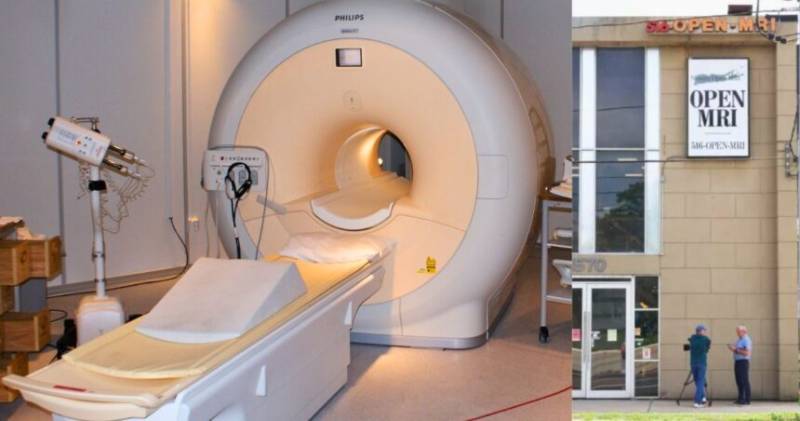
MRI machines are technological marvels. Using powerful magnets, they peer inside the human body, mapping organs, diagnosing illness, giving doctors the insight to save lives. But the same magnetic force that allows an MRI to heal can kill without mercy. Metal objects, even something as small as a chain or ring, become deadly projectiles inside that machine. The magnetic pull is so strong that it can drag oxygen tanks, wheelchairs, and yes, jewelry, at frightening speeds towards the core of the machine. That is what happened to Rajesh. The chain around his neck, ordinary, sentimental, became his executioner.
Reports reveal that he was pulled with shocking force, pinned to the machine, unable to escape. In the chaos, neither his strength nor cries could save him. Hospital staff scrambled, but it was too late. He died of internal injuries and suffocation after inhaling leaked oxygen, according to police statements. And just like that, a visit meant to help someone else became his final act. But how does such a preventable tragedy occur in a modern hospital? This isn’t just a story about machine error. It’s a failure of process, of vigilance, of human responsibility. MRI safety protocols are clear: no metal, no exceptions. Rajesh should never have been allowed inside that room wearing a chain. Somewhere between complacency and routine, someone failed him. Multiple hospital staff were arrested following the incident, but arrests do not bring peace to grieving families.
There’s a grim pattern emerging worldwide. In 2001, six-year-old Michael Colombini died in New York after a metal oxygen tank flew into an MRI machine. In South Korea and Brazil, similar accidents have claimed lives. The technology doesn’t fail; people do. Rajesh Maru’s story forces us to reflect not only on medical safety but also on how modern hospitals have become places where trust is assumed, yet not always earned. Patients and their families enter these spaces vulnerable, hoping to be healed, not harmed. His death is a wake-up call—not just for hospitals in Mumbai, but for every medical facility across the globe. Safety protocols aren't just policies written in manuals—they’re lifelines.
In the wake of this tragedy, Rajesh’s family continues to demand accountability. But beyond the headlines, his story carries a more profound message: the smallest mistakes can cost the biggest prices. What we overlook in a moment can echo forever. Rajesh Maru did not die because of a metal chain. He died because someone forgot that human life is fragile. As hospitals continue to balance the marvel of machines with the limitations of human error, may his story not fade into yet another news cycle. Instead, let it endure—as a symbol of vigilance, and as a reminder that behind every protocol is a life waiting to be protected.