The modern human condition is increasingly defined by a pervasive, low-level physical crisis: the sedentary lifestyle. From the ergonomic chair of the office to the slumped posture of a long commute, our bodies are being conditioned for stillness. This prolonged inactivity is particularly devastating for the hips—the critical hinge of the human frame, responsible for every movement from the most basic step to the most athletic sprint. In a recent educational presentation, Dave Connor of Adidas offered a comprehensive intervention, mapping out ten essential exercises and stretches designed to undo the damage of the "sitting culture" and restore the body’s innate capacity for fluid, pain-free motion. This is not merely a fitness routine; it is a strategic approach to reclaiming the sovereignty of our own joints. The process of physical restoration begins with a deliberate, high-energy dynamic warm-up, designed to prime the nervous system and prepare the connective tissues for load. The bent-knee hamstring stretch serves as the foundational opening, targeting the chronic tightness that accumulates behind the knee. By pulling the knee to the chest and straightening the leg, we begin to hydrate the fascia and wake up dormant muscle fibers. This is followed by the supine straight leg raise, a movement that forces the hip flexors and the core to work in tandem, reinforcing the essential connection between spinal stability and lower-body mobility.
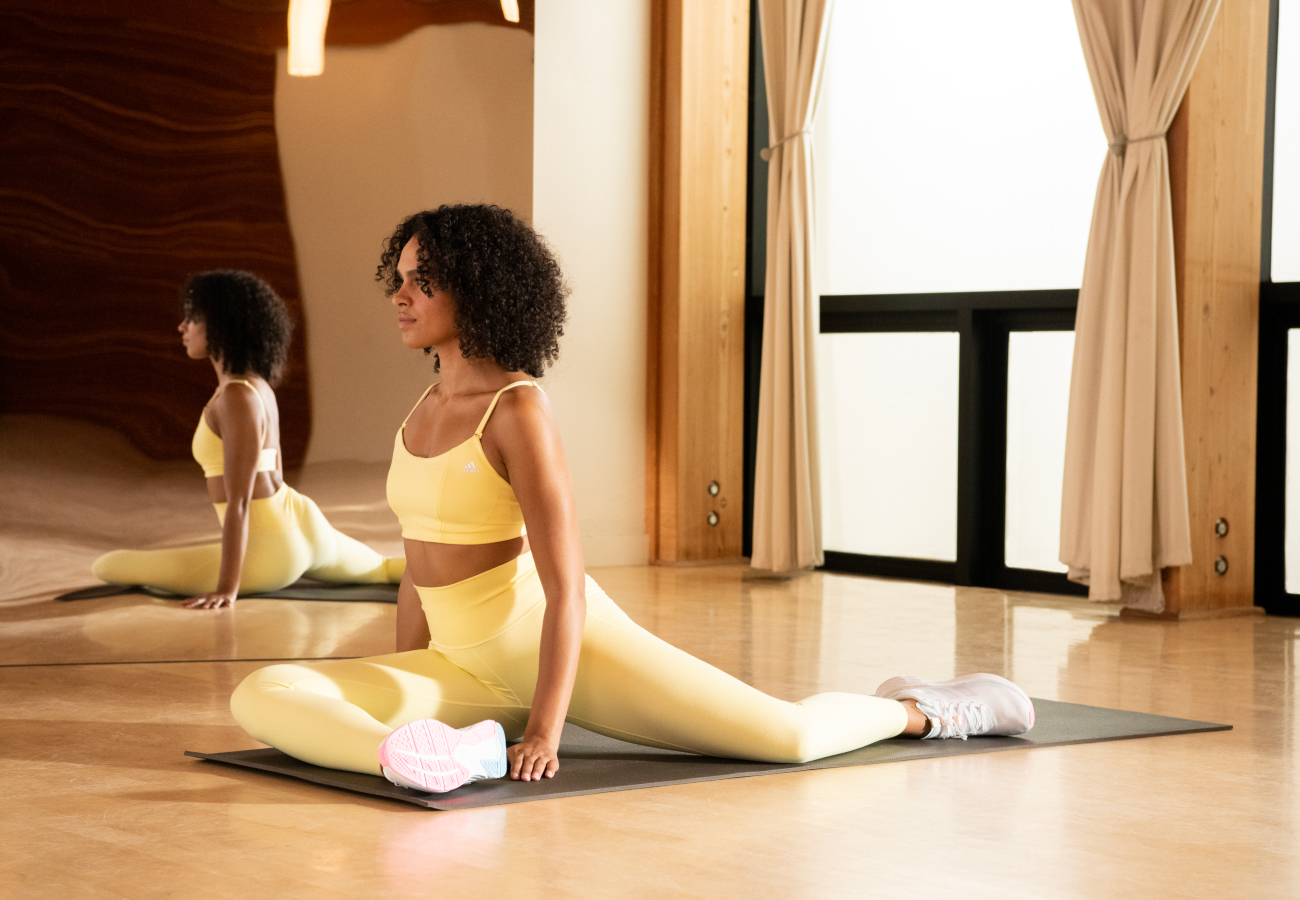
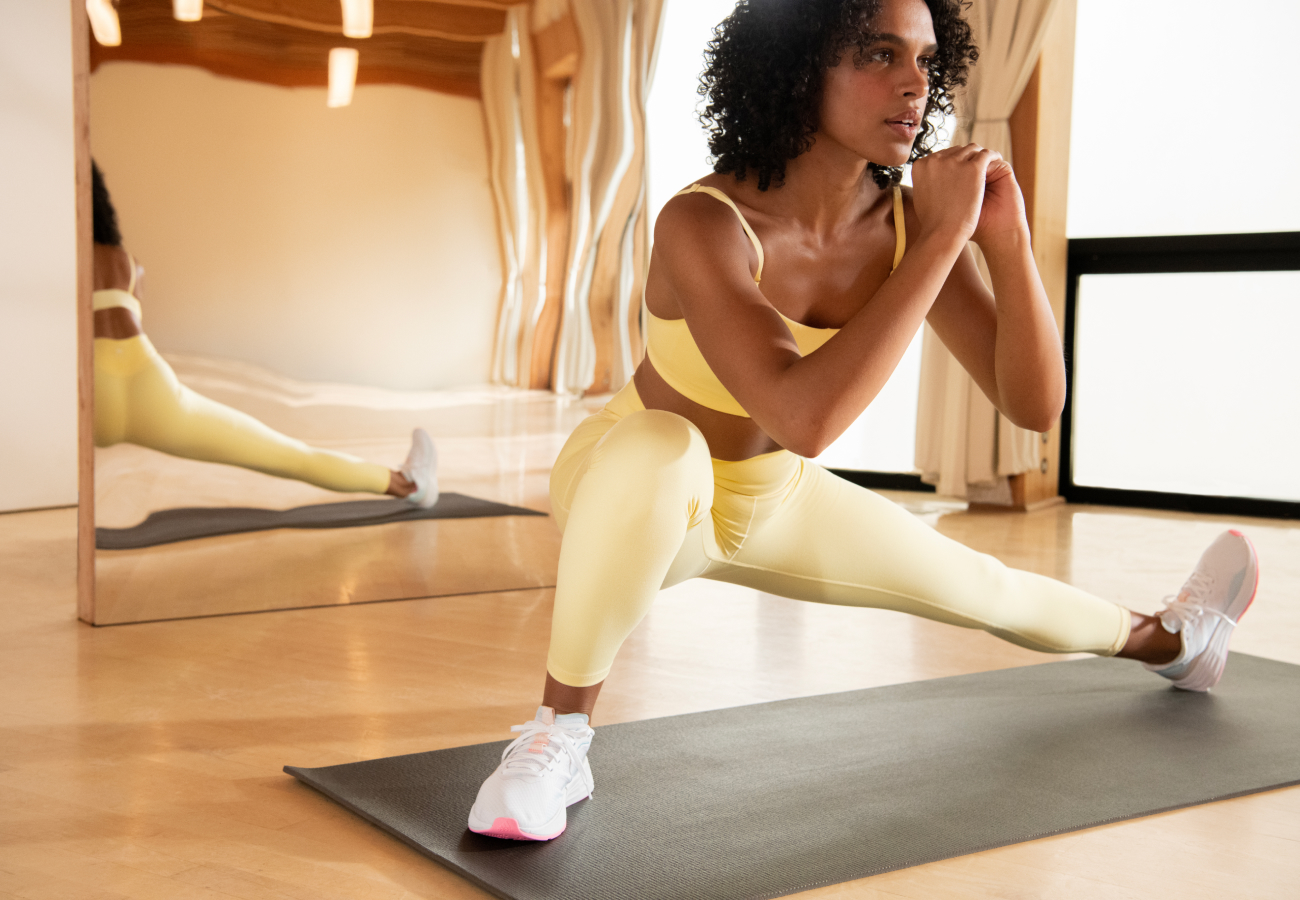
The warm-up deepens with the quadruped hip circle—a brilliant exercise in intelligent curation that demands the hip joint navigate its full spectrum of motion: rotation, flexion, and extension. By taking the femur through these planes, we are essentially "oiling" the socket, ensuring that the joint capsule remains supple. The final piece of the activation puzzle is the straight-leg kick, a dynamic movement that provides an intense hamstring stretch while forcing the hip flexors to fire rapidly. These exercises are not just preparation; they are a ritual of awakening, moving the body from the lethargy of the chair into the intentionality of an athlete. Once the body is primed, the program transitions into the critical territory of mobility, where the focus shifts from activation to structural length and internal rotation. The butterfly stretch stands as a timeless classic, providing an effective way to open the hip joints and the inner thighs, whether performed as a passive release or an active mobility drill. However, it is the 90/90 hip stretch that truly serves as the gold standard for internal and external rotation. This movement forces the hips to operate in the precise, complex angles required for functional stability. When we add the Cossack squat to the rotation, we are testing the hips, knees, and ankles simultaneously, building a lower body that is not just mobile, but capable of handling lateral stress with confidence.

Related article - Uphorial Shopify
The journey toward a resilient frame is completed through the introduction of strength—a transformational framing that posits mobility is only useful when it is supported by structural power. The Bulgarian split squat is the centerpiece here, an exercise that demands immense range of motion while building the unilateral strength necessary for balanced movement. It is a grueling, necessary movement that exposes weaknesses and forces the body to stabilize under load. Following this, the single-leg deadlift serves as the bridge between mobility and force production. By engaging the hamstrings and glutes in a controlled, weighted environment, we are not just building muscle; we are training the brain to trust the hip joint through a full, extended range of motion.The lateral step-up concludes this strength-building cycle, focusing on the controlled, eccentric lowering phase. This specific movement is vital for cultivating stability in the lower body joints, teaching the body how to absorb force and maintain alignment—skills that are essential for the demands of running, jumping, and the myriad activities of daily living. These strength movements represent a fundamental shift in philosophy: the recognition that a flexible body is vulnerable unless it is also a stable one. By pairing mobility drills with unilateral strength training, we are constructing a hip joint that is both capable of extreme range and protected by robust, surrounding musculature.
Throughout the presentation, one theme remains constant: the necessity of emotional and physical consistency. The mobility journey is not a sprint, nor is it a one-time repair; it is a lifelong commitment to the health of the vessel we inhabit. Integrating these movements into a daily routine is the only path to undoing the cumulative, chronic stiffness that comes from modern life. It requires the viewer to view these minutes of exercise not as an chore, but as a non-negotiable investment in their own autonomy. When we prioritize our mobility, we are prioritizing our ability to interact with the world on our own terms, whether that means playing with our children, chasing a personal record on the track, or simply navigating the city with ease. The transformation offered by this routine is profound because it touches on the cultural understanding of the body as a machine that can be tuned. By moving through these ten exercises, we are effectively auditing our own physical architecture, identifying the areas of restriction, and systematically resolving them through movement. This is the essence of athletic intelligence: the ability to recognize when the body is failing to perform and the discipline to apply the correct, corrective intervention. The hip is the anchor of the body; when the anchor is strong and the hinges are free, the entire structure moves with a grace and efficiency that is rarely seen in those who remain trapped in the sedentary default.
As we look toward the future of human health, it is clear that the solution to our physical decline will not be found in pills or expensive machines, but in the intelligent, consistent application of biomechanical wisdom. Dave Connor’s guide is a testament to the fact that the tools for our transformation are already in our possession. The hip joint, with its incredible complexity and potential for range, is waiting for us to engage it. By choosing to incorporate these movements—to squat, to rotate, to hinge, and to kick—we are choosing to reject the stagnation of our environment and to embrace the full, dynamic potential of our biological heritage. Ultimately, the takeaway from this training is one of empowerment. We are not defined by the limitations of our daily schedule, but by the actions we take to transcend them. Whether you are a marathon runner or someone looking to escape the chronic lower back pain of a desk job, the mechanics of hip mobility remain the same. The path to a better body is simple, albeit difficult: it requires the humility to start, the focus to learn the mechanics, and the relentless consistency to keep moving. By building strength from a foundation of mobility, we are creating a future where our bodies continue to serve us with strength, freedom, and an unwavering ability to meet the demands of the world.