A journey through Benin, documented and hosted by Sally with a local co-host, Romain, reveals a West African nation of 13 million actively reshaping its narrative. Once the seat of the powerful Kingdom of Dahomey, a sophisticated realm governed by the spiritual principles of Voodoo, the nation's trajectory was violently altered by European arrival in the 15th century. The coast became the infamous "Slave Coast," and the kingdom a hub of the transatlantic slave trade, a horror memorialized at Ouida's "Gate of No Return". French colonization in the 19th century further dismantled the kingdom's culture, pillaging the royal palaces of Abomey and stealing priceless treasures that ended up in European museums. This act effectively severed the Beninese people from their own history, forcing them to travel abroad to learn their own story. The return of 26 of these artifacts from France in 2021 was celebrated as a major symbolic victory, challenging the colonial cliché of an Africa without a history or culture of its own.
Related article - Uphorial Radio
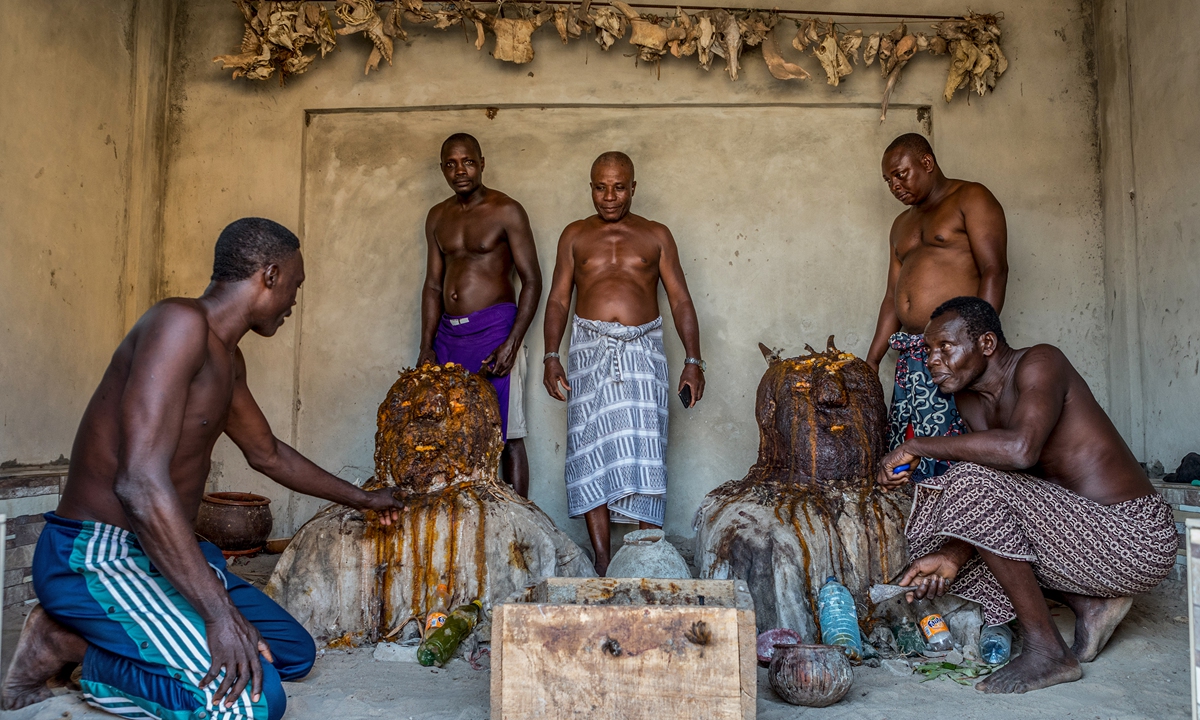
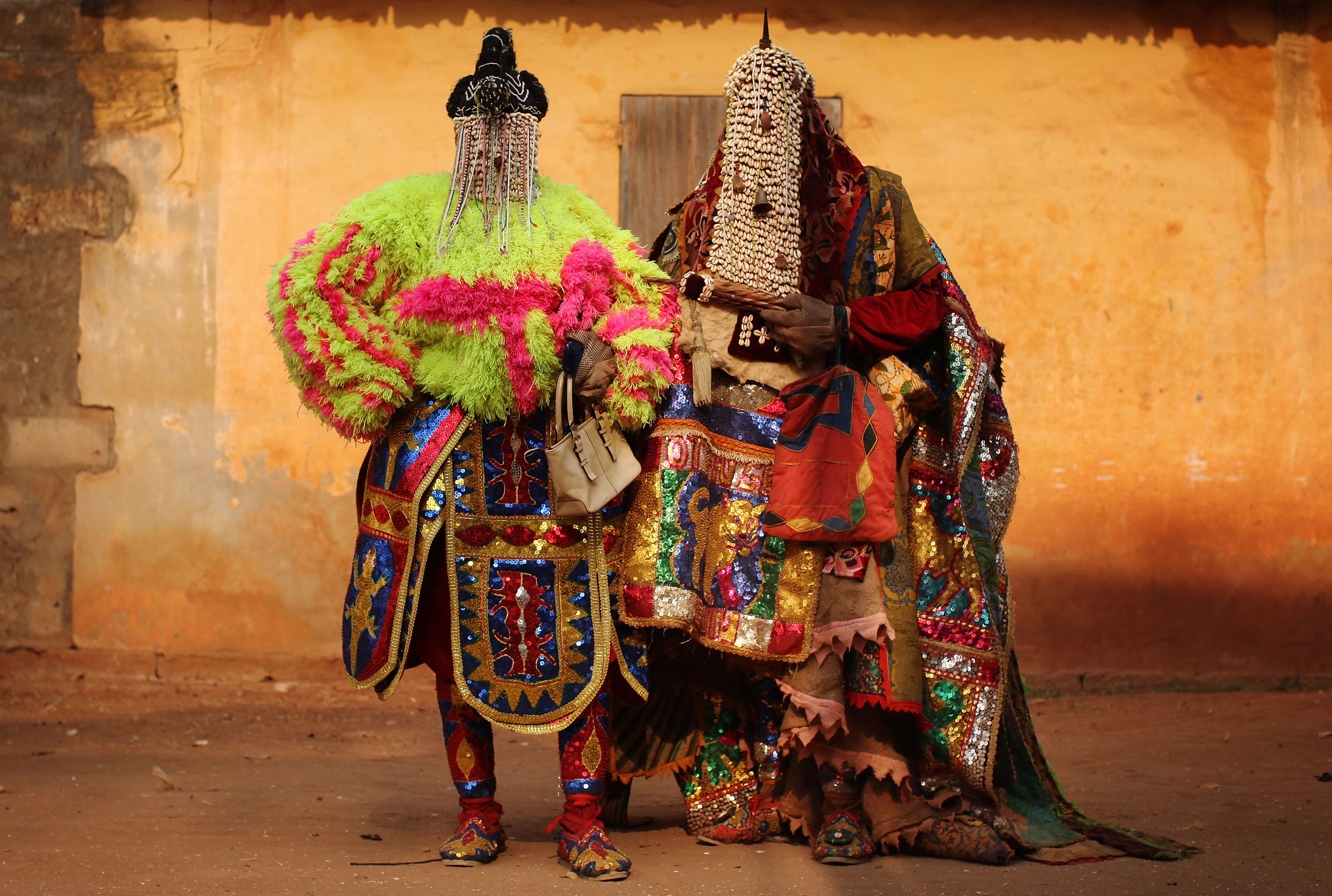
The colonial project also waged a fierce war on Benin's spiritual identity. French colonists and missionaries systematically demonized Voodoo, dismissing it as "charlatanism" and "sorcery". Early 20th-century missionary reports are filled with dehumanizing language, describing the local people as "fetishists" and "savages" steeped in "diabolical cruelty". This campaign led to the destruction of sacred forests and the marginalization of Voodoo ceremonies, forcing the religion into secrecy and shame. This historical misrepresentation created a persistent, mocking cliché of Benin as a "country of wizards". Today, however, Benin is reclaiming its spiritual heritage. Vodoun is presented not as black magic, but as an ancestral spirituality founded on the knowledge of nature's four elements: water, earth, air, and fire. With its own sacred oral text, the Fâ, serving as a life guide, it is a system of protection and guidance. Every January 10th, the country officially celebrates "Voodoo Days" in Ouida, a city that itself exemplifies religious harmony. Here, Vodoun temples, Christian cathedrals, and Islamic mosques coexist in close proximity, a testament to a syncretic reality where people often identify with multiple faiths at once. This peaceful coexistence is further embodied in Dassa, where the Marian Grotto, an African replica of Our Lady of Lourdes, draws pilgrims of all faiths, reinforcing a message of universal humanity and peace.
The painful legacies of the slave trade and colonialism are still deeply felt, fueling a call for Africans to take responsibility for their own development and to invest in their continent. This spirit of self-determination is ingeniously embodied by Ganvié, Africa's largest stilt city, founded in the 17th century by people fleeing slave hunters and now standing as a powerful symbol of freedom. Looking ahead, Benin is leveraging its unique assets to become an emerging cultural hub. Yet, the nation’s greatest resource and challenge is its youth, who make up over half the population. Initiatives like the Ewaa center are being created to provide young people with opportunities and, critically, with role models whose stories are told by Africans for Africans. This is a direct effort to counteract the modified, colonial version of history taught in schools and to foster a sense of belonging to a people with a rich cultural impact. The preservation of tradition, from the unique Tata Somba architecture in the north to the monarchy in Abomey, is seen as essential for transmitting identity to future generations. This journey through Benin ultimately reveals that knowing one's history is crucial not just for remembrance but for self-understanding, healing, and questioning the preconceived ideas we hold about others and ourselves.