Global Health Authorities Monitor Rising Cases in West Africa as Mpox Remains a Concern - The World Health Organization (WHO) has issued a continued alert regarding the spread of mpox, formerly known as monkeypox, in West Africa, signaling heightened vigilance and readiness to respond to rising case numbers. As of June 2025, the disease continues to pose a significant public health concern in several countries within the region. The WHO’s response to the surge, coupled with global and regional efforts to control the disease, remains a key area of focus. Recent Surge in Mpox Cases Across West Africa while the global attention on mpox initially peaked during the 2022–2023 outbreak in North America and Europe, the WHO has now shifted its focus to the ongoing resurgence in West Africa. Mpox, a zoonotic disease caused by the mpox virus, has seen a steady increase in cases across countries such as Nigeria, Ghana, Liberia, and Sierra Leone. According to the WHO, the current surge follows a pattern of localized outbreaks that have continued over the past two years. Though the virus is endemic in certain parts of Africa, its increasing presence in urban and rural populations alike is cause for concern.
Why is Mpox Surging in West Africa?
Experts suggest a range of factors contributing to the surge in West Africa, including:
Population Movement: Increasing urbanization and human migration within the region have created environments in which mpox can spread more easily.
Environmental Factors: Changes in ecosystems, often linked to deforestation and human encroachment on wildlife habitats, may be increasing human contact with infected animals, thereby fueling transmission.
Delayed Public Health Measures: The region’s public health systems, still recovering from the effects of the COVID-19 pandemic, are struggling to manage the rise in cases effectively.
WHO's Response to the Crisis
The WHO is maintaining a heightened level of alert, collaborating closely with national health authorities in affected countries to provide support in terms of resources, diagnostics, and containment measures. Dr. Maria Van Kerkhove, WHO's Technical Lead for Infectious Diseases, noted that "While mpox does not have the same global impact as COVID-19, it remains a serious concern for the countries in the affected regions. We must continue to improve surveillance systems and access to vaccines." The global health body is also working with manufacturers to ensure that the smallpox vaccine, which offers cross-protection against mpox, is available to high-risk populations.

What Are the Symptoms and Risks of Mpox?
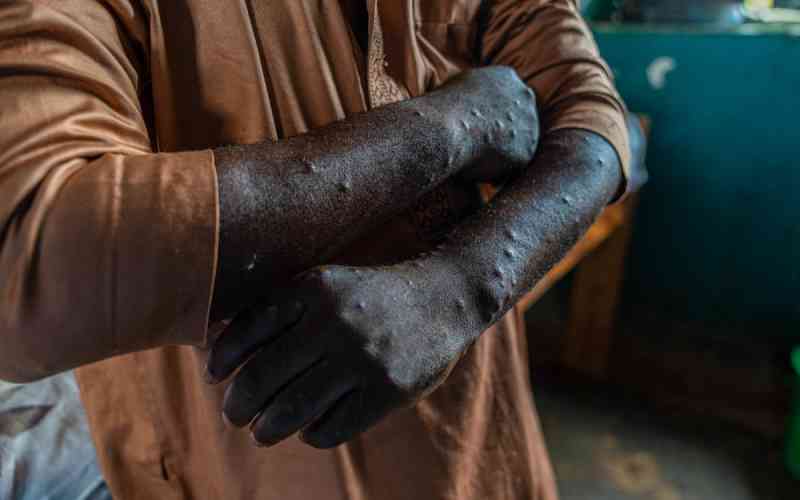
Mpox is primarily transmitted through direct contact with bodily fluids of infected animals or humans, as well as through contaminated surfaces. Initial symptoms of mpox resemble those of other viral infections, including fever, chills, and body aches. However, one of the distinguishing features is a rash that progresses into pustules, which can cause scarring. While most cases are mild, severe outcomes can occur, especially in immunocompromised individuals or children. Deaths from mpox are relatively rare but can happen, particularly in areas with limited access to medical care. Global Efforts and Support from the International Community The international community is rallying to address the outbreak, with several countries offering financial and logistical support to affected West African nations. The U.S. Centers for Disease Control and Prevention (CDC) has pledged to send teams of experts to assist with surveillance and vaccination campaigns. Meanwhile, the European Union’s Directorate-General for Health and Food Safety (DG SANTE) is working with local organizations to support community outreach programs aimed at increasing public awareness and providing health education.
Vaccination Campaigns and Future Outlook - In response to the recent surge, countries such as Nigeria and Ghana have ramped up vaccination efforts, prioritizing healthcare workers, frontline responders, and individuals who have been in close contact with known cases. While the vaccine offers effective protection against the virus, limited supplies and logistical challenges are slowing down widespread coverage. Despite the challenges, health experts remain cautiously optimistic. Dr. Richard D. Hatchett, CEO of the Coalition for Epidemic Preparedness Innovations (CEPI), stated: "With the right strategies in place, including public health education, vaccination campaigns, and swift isolation measures, we can prevent further spread of mpox." As West Africa continues to face the impact of mpox, the WHO is urging both regional and global stakeholders to maintain a sustained effort in controlling the virus’s spread. While the situation is still evolving, experts stress that robust surveillance, early detection, and rapid response are key to preventing further escalation of the outbreak. The situation remains fluid, and the WHO will continue to monitor developments closely.
Uphorial.