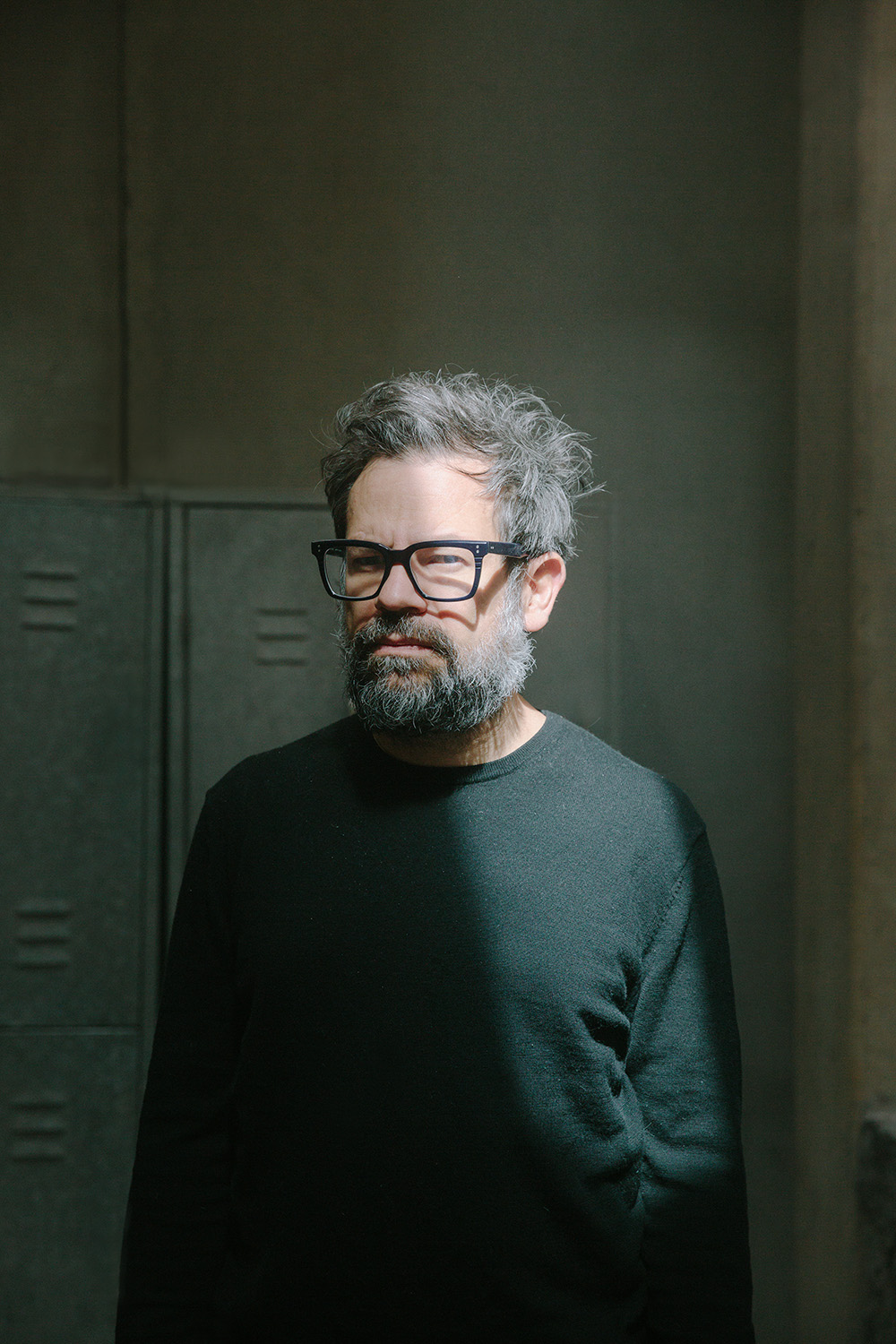
A fascinating look into the studio of Mexican sculptor Pedro Reyes, as featured by the Louisiana Channel, reveals a unique fusion of architectural discipline, mystical energy, and robust social commitment informing his work. Reyes, who defines sculpture broadly as "changing the shape of things, taking a material and giving it a new form", operates seamlessly between the "classical approach"—modeling or carving stone—and "social sculpture," where the material is the social context itself, requiring the participation of various societal actors.
Reyes credits his background, specifically his architectural training (chosen over art due to his chemical engineer parents’ persuasion), for his systematic and technical approach. He gratefully acknowledges that this schooling instilled a crucial technical foundation, arguing that an artist concerned solely with meaning risks getting "lost". The physical obstacles posed by matter and process are key to his art. The programmatic idea of function, inherent in architecture's demand to "solve and provide... a solution for all these needs", underpins much of his artistic output. Reyes’s art carries an "additional rule that it has to portray a function", striving for a measure of effectiveness beyond being "purely aesthetic". This drive for utility is linked to his heritage; his grandmother was an anarchist in the Spanish Civil War, and Reyes feels a connection to the special responsibility Mexican artists have historically felt toward "social justice". He was deeply inspired by figures like Joseph Beuys, who were both "highly experimental but highly committed" artists, demonstrating how sculpture could expand into the social realm.
Related article - Uphorial Radio
Mexican artist Pedro Reyes believes in art’s functionality...
A compelling instance of Reyes's social sculpture is Palas por Pistolas. This project involved organizing a campaign for the "voluntary donation of weapons". The outcome was 15,000 guns brought to the city hall, melted down, and transformed into 1,500 shovels, which were then used to plant 1,500 trees. Reyes experienced personal grief after a friend was shot, which, combined with the continuous flow of weapons into Mexico due to its proximity to the United States, motivated him to action. He views the project as achieving not only a physical transformation but also a "psychological transformation and hopefully a social transformation" by converting an "agent of death" into an "agent of life". He stresses that healing requires closure alongside starting a new cycle. The planted trees serve as "living monument[s]" that grow over time, symbolizing that out of the metal that caused death, a new cycle of life begins.
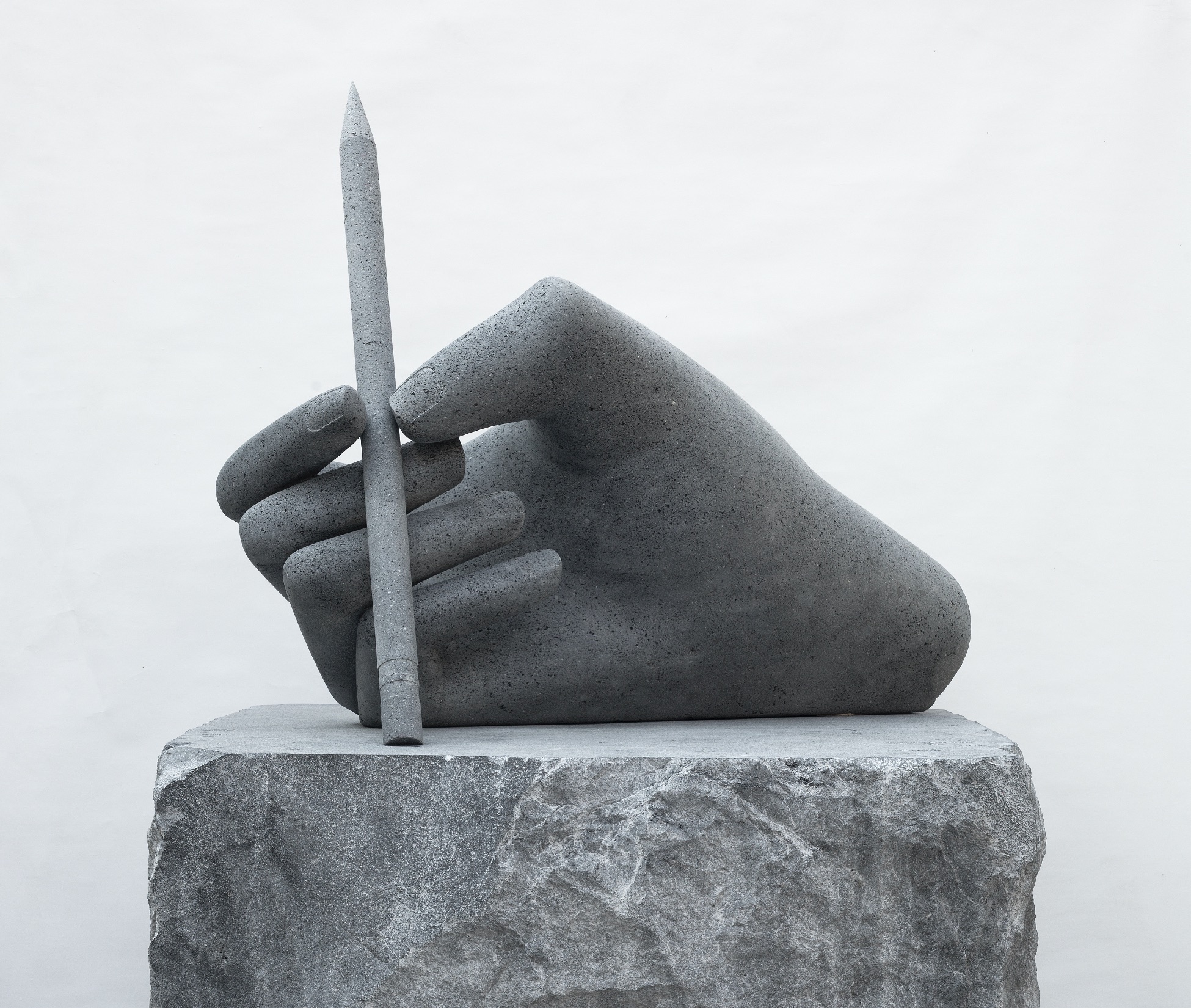
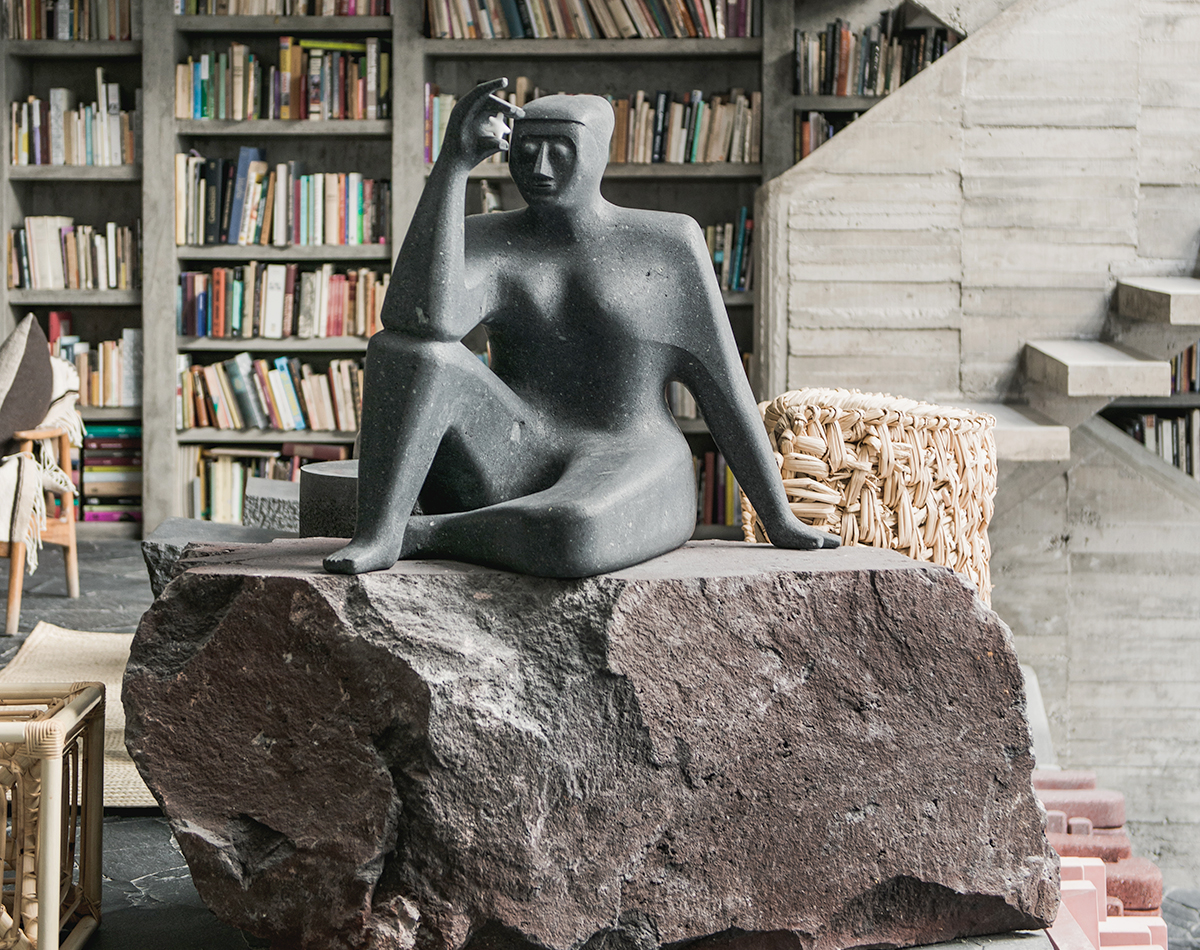
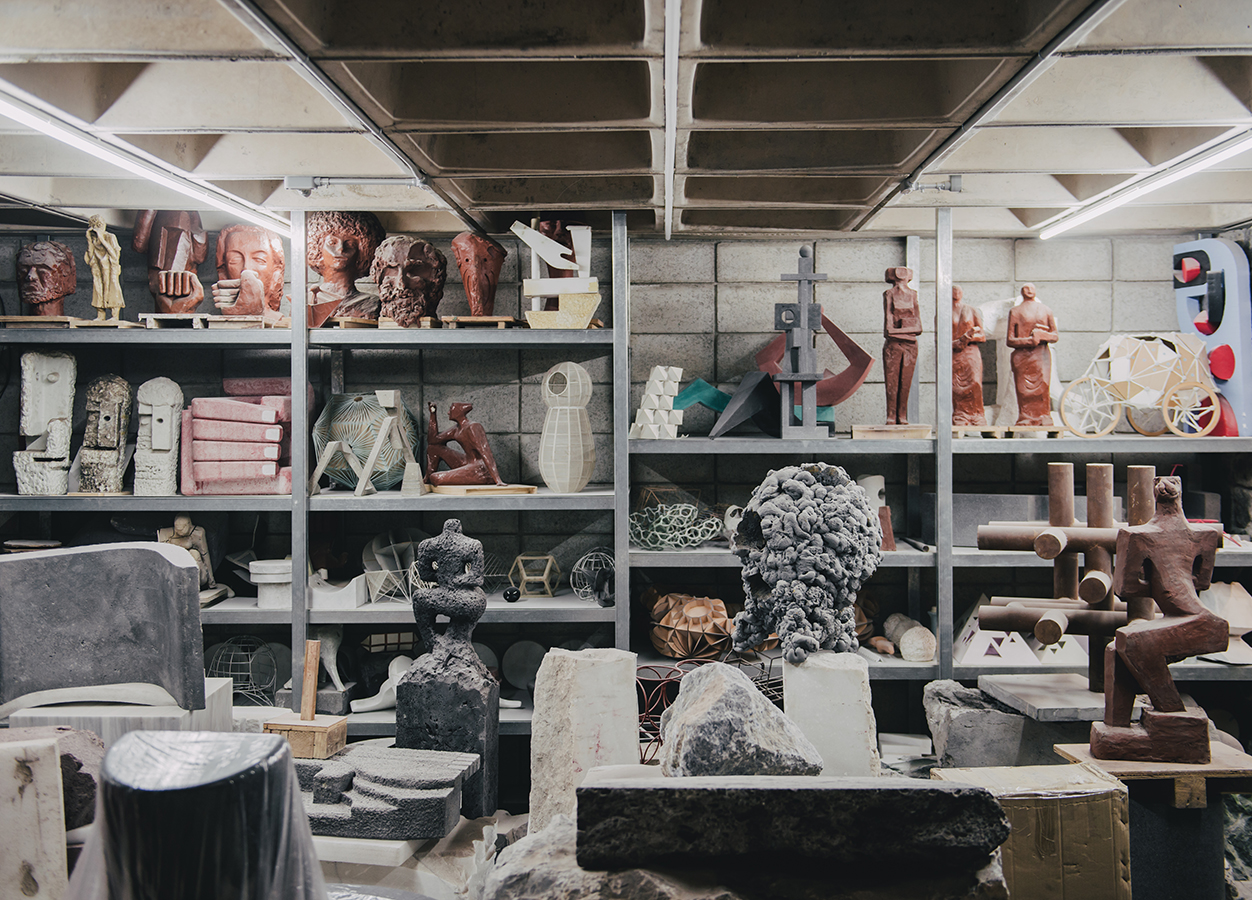
While Reyes engages in "immaterial work" through social practice projects, he values the classical approach where the finished piece attains autonomy. His core conviction is that sculpture must somehow "take matter and try to make a transmission of spiritual energy into matter," allowing the object to "irradiate that spiritual energy back to the viewer" even when the artist is absent. He sees sculpture as a "time machine," where he draws solutions and vocabularies from different centuries and regions to combine in his work. When carving stone, an inherently "collective undertaking" requiring a team to handle weights of five or ten tons, Reyes seeks a "hypnotic state" to remain true to both the material and the theme by infusing "force onto matter".
He values the manual process, contrasting it with using robots, which perform most stone carving globally and cause job displacement. Reyes intentionally avoids robots—despite the potential for faster, cheaper work—because he values the "social part of making stone carving" and the "transmission of knowledge" that occurs between apprentice and master. This process preserves skills "at risk of disappearing". His manual carving involves developing a sort of "X-ray vision" to discern the potential within the raw stone he collects from the volcano hills. This volcanic stone acts as a visible record of "cosmic time," displaying "frozen energy" in its bubbles and cracks. The material is both hard and fragile, requiring the artist to "think as you go" and adapt to inherent "accidents" like cracks. Reyes finds the ancient rituals of stone carving, practiced by civilizations like the Egyptians and Mashikas, to be "romantic and almost mystical". He believes the "so much effort" invested causes a piece to "earn its place in eternity," enduring long after names are forgotten. Finally, Reyes links art to play, necessitating the freedom to "fail and to make errors". Art is a "useful tool" for imagining how things could be different, functioning as a "surplus reality"—"something in between fiction and reality" where essential experiments can be conducted.