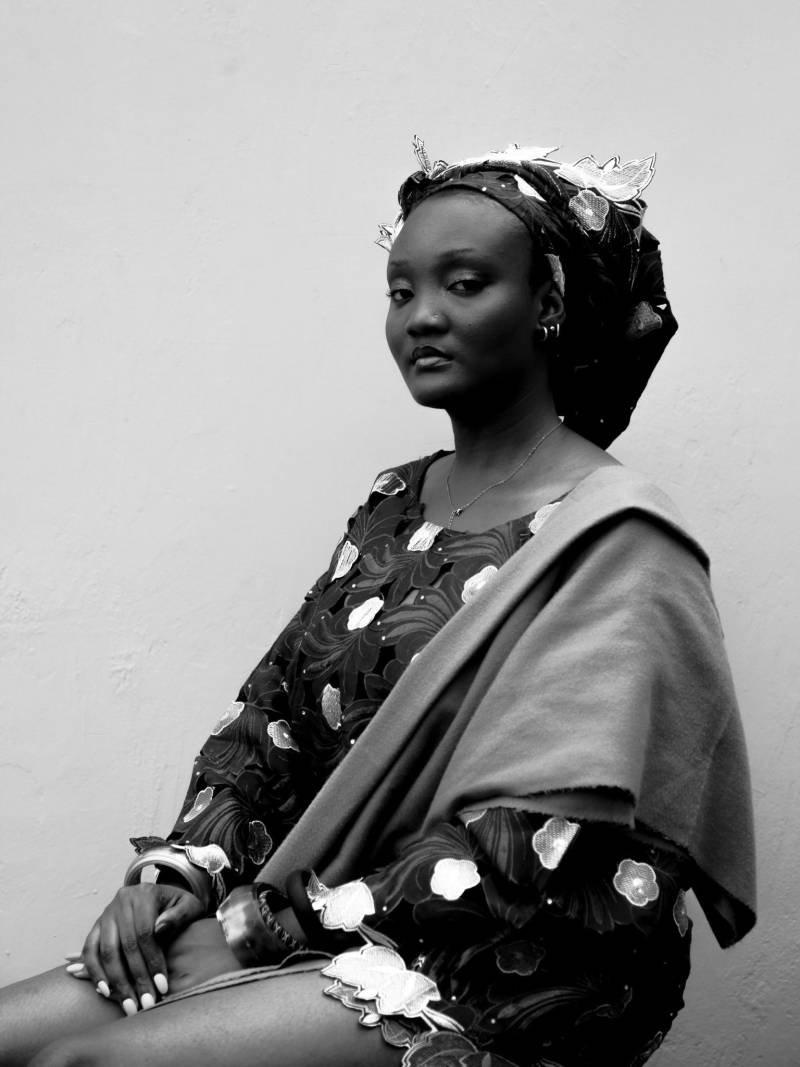
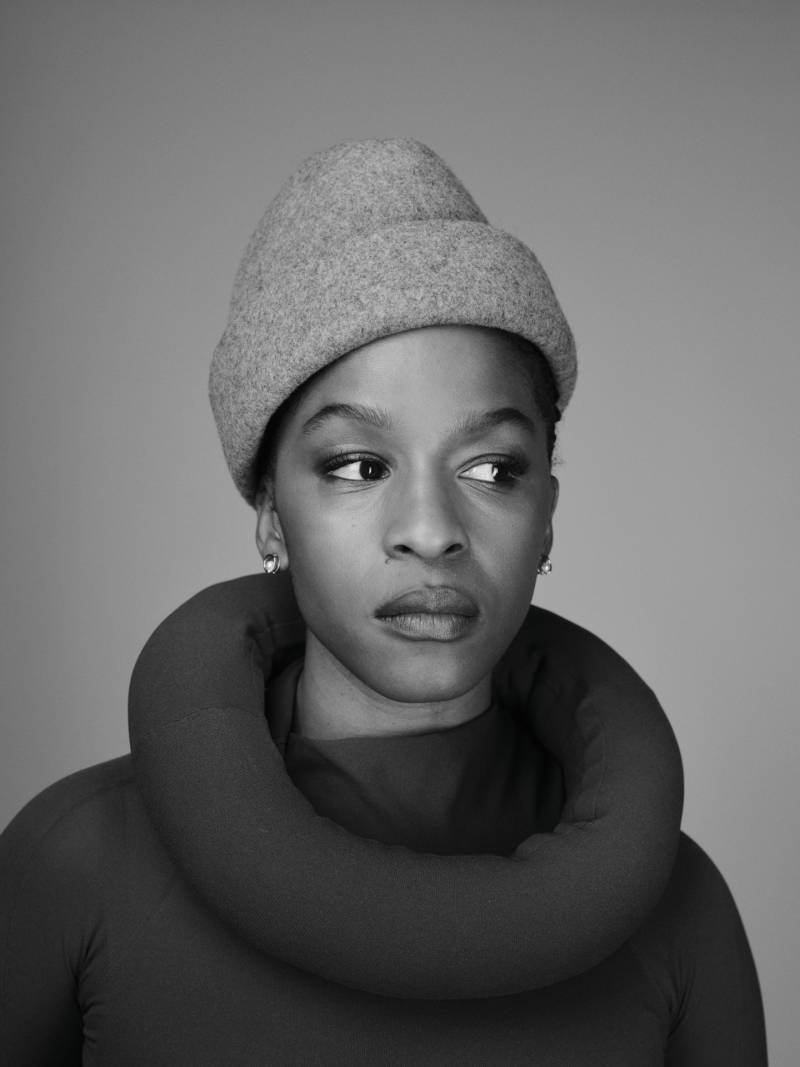
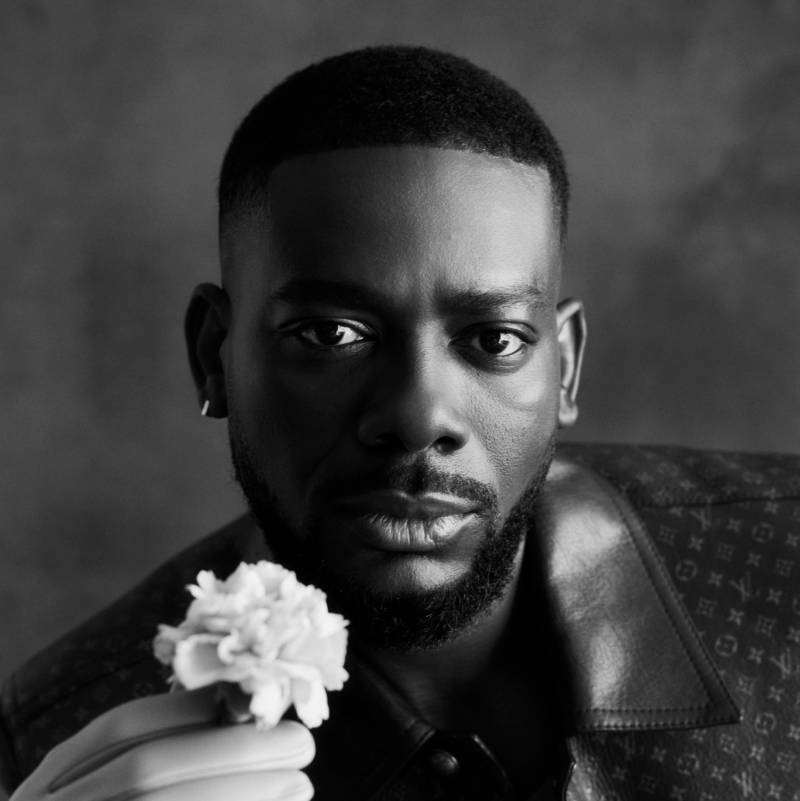
LAGOS - The studio lights of the MENtality set have often served as a mirror, but in this recent, deeply resonant episode, the reflections felt sharper, more revealing, and infinitely more human. Hosted by Ebuka Obi-Uchendu and Banky W, the program turned its lens toward a subject frequently discussed but rarely dissected with such clarity: the contemporary Nigerian male experience. By inviting two of the most influential voices in West African media, Toolz and Toke Makinwa, to the table, the conversation shifted from a monologue on manhood to a multidimensional dialogue on the shared, often messy terrain of modern relationships, identity, and the evolving expectations of gender in a rapidly changing society.
The discourse opened on the fragile intersection of parenthood and selfhood. It is a transition that remains one of the most significant, yet least discussed, hurdles for the modern couple. As the guests peeled back the layers of their own experiences, the conversation settled on the profound challenge of preserving the "us" in a relationship once the "parents" arrive. There was a palpable consensus that the arrival of children, while a joy, often acts as a catalyst for identity crises. The guests spoke with raw honesty about the necessity of intentionality—not merely in how one divides the domestic labor of child-rearing, but in the deliberate effort to maintain the romantic connection that predates the nursery. It was a call for a paradigm shift, one where the role of the partner is elevated to that of an active co-pilot, rather than a mere secondary participant in the life of the family.
Related article - Uphorial Shopify

This theme of partnership naturally spilled into the professional sphere, as Toolz and Toke navigated the complexities of their careers within the Nigerian media and entertainment industries. Their insights provided a stark, necessary cultural understanding of the landscape. They spoke of the quiet, insidious biases that still permeate male-dominated boardrooms and studio floors—the assumption of lesser expertise, the double standards in conduct, and the persistent pressure to prove one’s worth. Yet, the framing was not merely one of grievance; it was a strategic exploration of the power of allyship. They identified the crucial role that men—particularly men in positions of influence—must play in acknowledging and respecting the professional standing of their female colleagues. It was a reminder that true professional equity in Nigeria is not just about women breaking through, but about men actively holding the door open.Perhaps the most visceral segment of the conversation centered on the perennial disconnect in emotional communication—the friction between the "fixer" and the "feeler." It is a dynamic that many have lived, yet few have articulated with such nuance. The men at the table acknowledged the common inclination to jump immediately to logical solutions, treating a partner’s emotional distress as a hardware error to be corrected. In contrast, Toolz and Toke eloquently unpacked the female experience, where the need for a solution is often secondary to the fundamental human desire for empathy and presence. They discussed the exhausting nature of indirect communication and the necessity for both sides to move toward a middle ground of active, patient listening. It was an argument for vulnerability, suggesting that the most powerful thing a man can do in a relationship is not to provide an answer, but to hold the space for a feeling.
The conversation then took a sharp turn into the digital abyss, addressing the pervasive, often toxic, influence of social media on the modern dating market. The panel lamented the rise of "transactional" expectations, where relationships are reduced to balance sheets and curated aesthetics, largely amplified by the cynical echo chambers of platforms like Twitter. They cautioned against the dangers of adopting viral, extreme anecdotes as the blueprint for one’s own romantic life. The message was clear and empowering: date your way. They encouraged the audience to detach from the distorted realities of the screen and instead seek out individuals whose values, wavelengths, and intentions align with their own. It was a strategic framing of relationships that favors authenticity over the performative trends that currently dominate the online narrative.
The episode concluded with an exploration of the most guarded territory of all: male vulnerability. In a society that has historically codified the man as the immutable "rock," the panelists challenged the sustainability of that archetype. They tackled the societal stigma that discourages men from articulating their fears, anxieties, or moments of profound doubt. The consensus was moving: the definition of strength must be expanded to include the capacity for emotional honesty. Creating safe, non-judgmental spaces for men to express their internal struggles is not a sign of weakness; it is, they argued, the very essence of emotional maturity.As the conversation drew to a close, what remained was not a set of rigid rules for how men should exist or how women should respond, but a blueprint for a more compassionate engagement. By inviting voices that are often relegated to the periphery of the "manhood" discussion to the center of the stage, MENtality achieved a rare feat: it framed the modern Nigerian experience not as a battle of the sexes, but as a collective, collaborative project. It was a reminder that whether in the boardroom, the nursery, or the quiet intimacy of a long-term relationship, the path toward a healthier society begins with the willingness to listen, the courage to be vulnerable, and the commitment to be present for the people beside us.