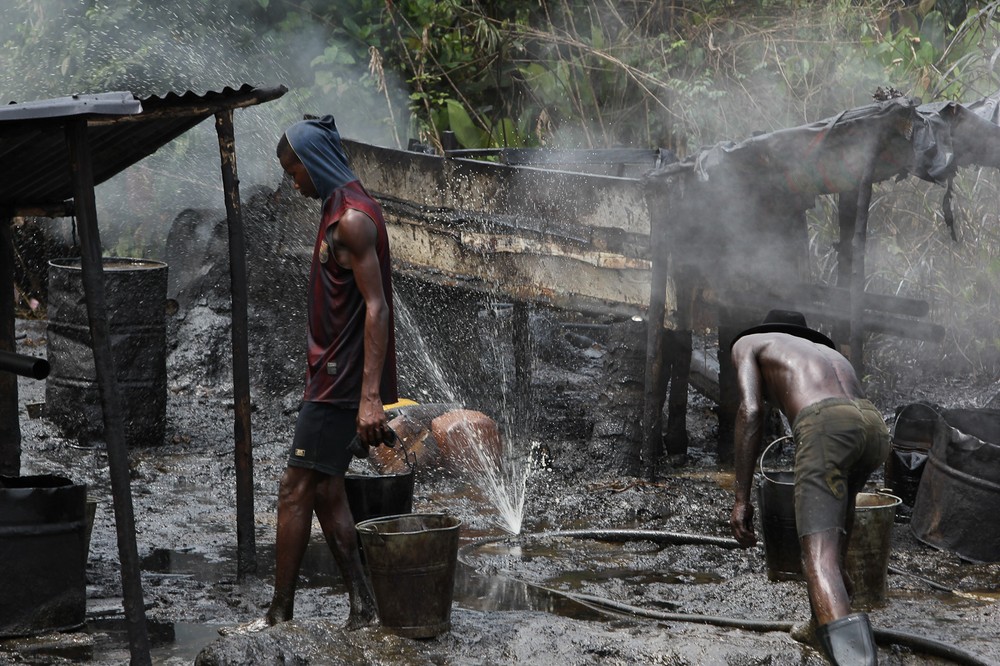
In the mangrove heartland of the Niger Delta, where twilight shadows mingle with the tinge of heated crude, you meet a story that begins in desperation, curves through resilience, and ends in a haunting paradox. Here, among tangled roots and murky water, young men ignite their makeshift furnaces each night. Their hands are steady, wielding funnels and coils not because they want to defy the law, but because they must. This isn't just about illicit refining. It’s about communities pushed to the edges socially, economically, and environmentally, transforming necessity into an outlaw craft. Nigeria, still Africa’s top petroleum producer, cannot refine enough oil. Basic demand cooking gas fuel for generators affordability remains just out of reach. In that vacuum, these refineries rise illegally yet are essential.
A deeply reported film, Meet the illegal oil refiners of Nigeria, takes us into this world, no romanticism, only raw survival, where the stakes are both personal and collective. As you watch, you sense the tension, the crackle of fire, the anxiety of smoke drifting through the swamp, the silent dread of arrest or blast. But context is more than danger; it's the gap between state infrastructure and people’s needs. Government crackdowns intensify even as they fail to quell the demand. It’s cat and mouse over and again as thousands of illicit sites are dismantled, but more spring up. In just one week in early 2025, the NNPCL reported shutting down 58 refineries and 19 illegal pipeline hookups out of some 159 incidents of oil theft in that period alone.
Related article - Uphorial Podcast
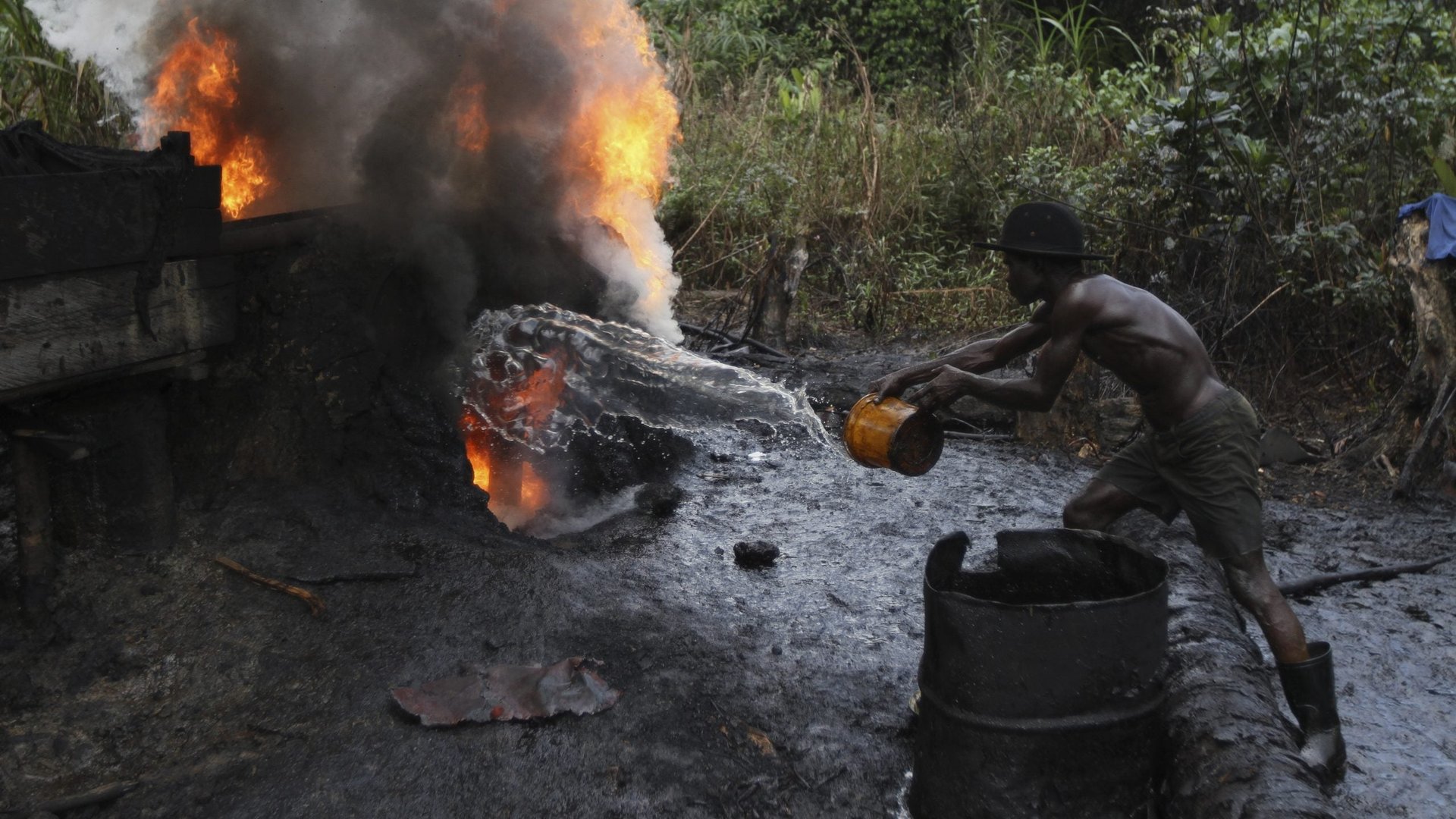
These figures echo a broader struggle. The Nigerian Navy dismantled 468 refinery sites in 2024, and the Air Force’s Operation Delta Safe destroyed another 49 in the first five months of 2025. Yet the root causes lie deeper than enforcement can reach. So when those living amid oil-scarred land carry on refining despite the environmental destruction, they send a message that oil is dirty, but what else can they do? They underline the irony of oil wealth turning into a toxin, but also their lifeline.
Environmental damage is no abstraction here. In places like Ogoniland, drinking water carries benzene concentrations hundreds, even thousands of times above safety levels leaving communities plagued by cancers, birth defects, decaying ecosystems, and shattered livelihoods. The clean-up efforts, too, have faltered even with funds allocated; agencies have failed to restore lands mired in mismanagement and corruption. Here’s the tension: upstream multinationals argue that many spills result from sabotage and theft, shifting blame to illegal refiners. But local leaders like Ogale’s King Godwin Bebe Okpabi refuse to let memory fade. “This is poison,” he carried to London’s courtroom, bottled from his contaminated wells. “People are dying … our way of life destroyed.”
And yet the story continues. Illegal refining remains a hidden lifeline, a desperate answer to state failure, a heated blend of danger, survival, ruin, and resistance. As fuel prices climb and the formal system fails to catch up, these swamps smoke smoke-shrouded sorrow sorrow-laden become the furnace of a nation’s hidden economy. So what do we think of it in the deep? It’s not just a crime. It’s the echo of opportunity denied where people become architects of necessity in a landscape ravaged by extraction. To change this, the narrative must evolve from militarised crackdowns to systemic reform, community empowerment, environmental accountability, and viable alternatives. Until then, in the Niger Delta’s mangrove gutter,s fire still flickers under oil drums, and with it hangs in the balance.