It was a homecoming twenty-five years in the making, unfolding beneath the vaulted, shadowy arches of the 17th-century undercroft at Lincoln's Inn Chapel. When the house of McQueen stepped back onto the official London Fashion Week calendar for Spring/Summer 2027, it did so not merely as a brand shifting its geographic coordinates, but as a prodigal entity returning to the raw, gritty womb that birthed its darkest romanticism. Under the creative direction of Seán McGirr, the air inside the subterranean venue hummed with a palpable, electric tension—a collision between sacred iconography and the anarchic pulse of London’s underground nightlife. The front row read like a roll call of British cultural royalty, housing everyone from Emilia Clarke and Florence Welch to Emma Corrin and music icon Siouxsie Sioux, all gathered to witness a house reclaim its foundational identity.
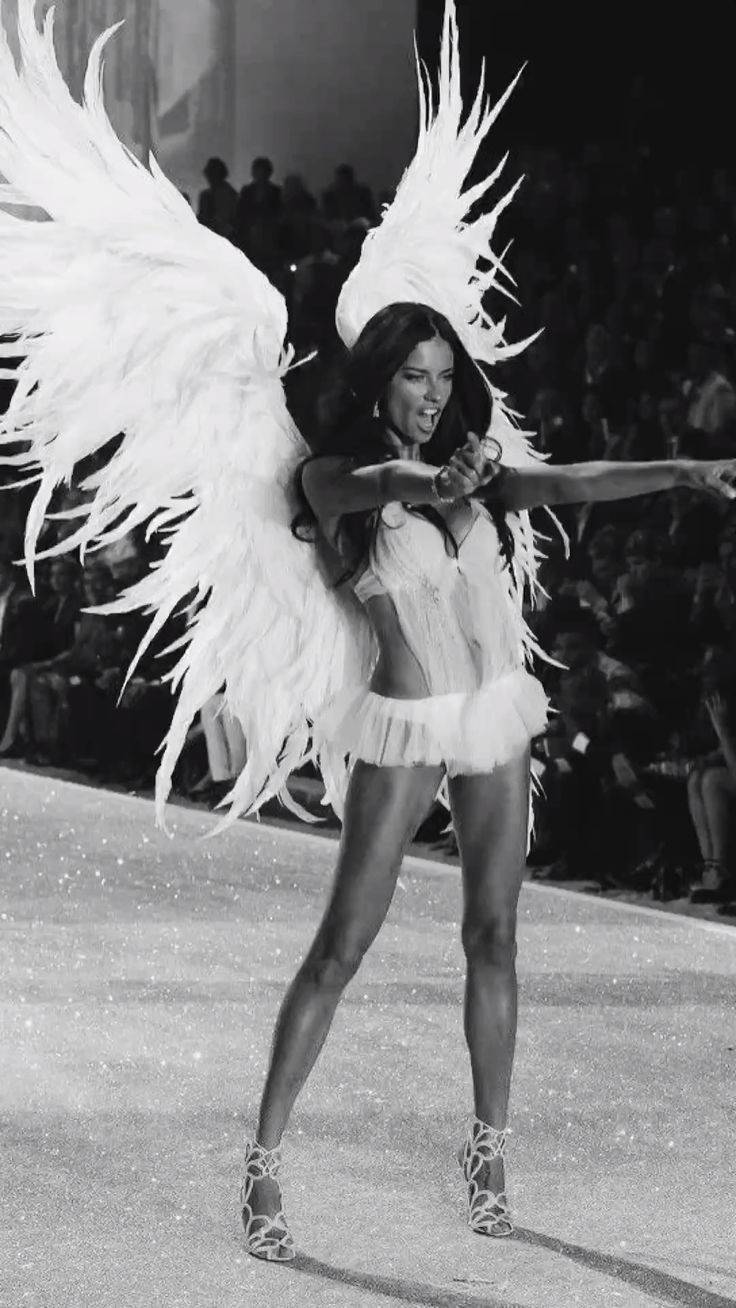
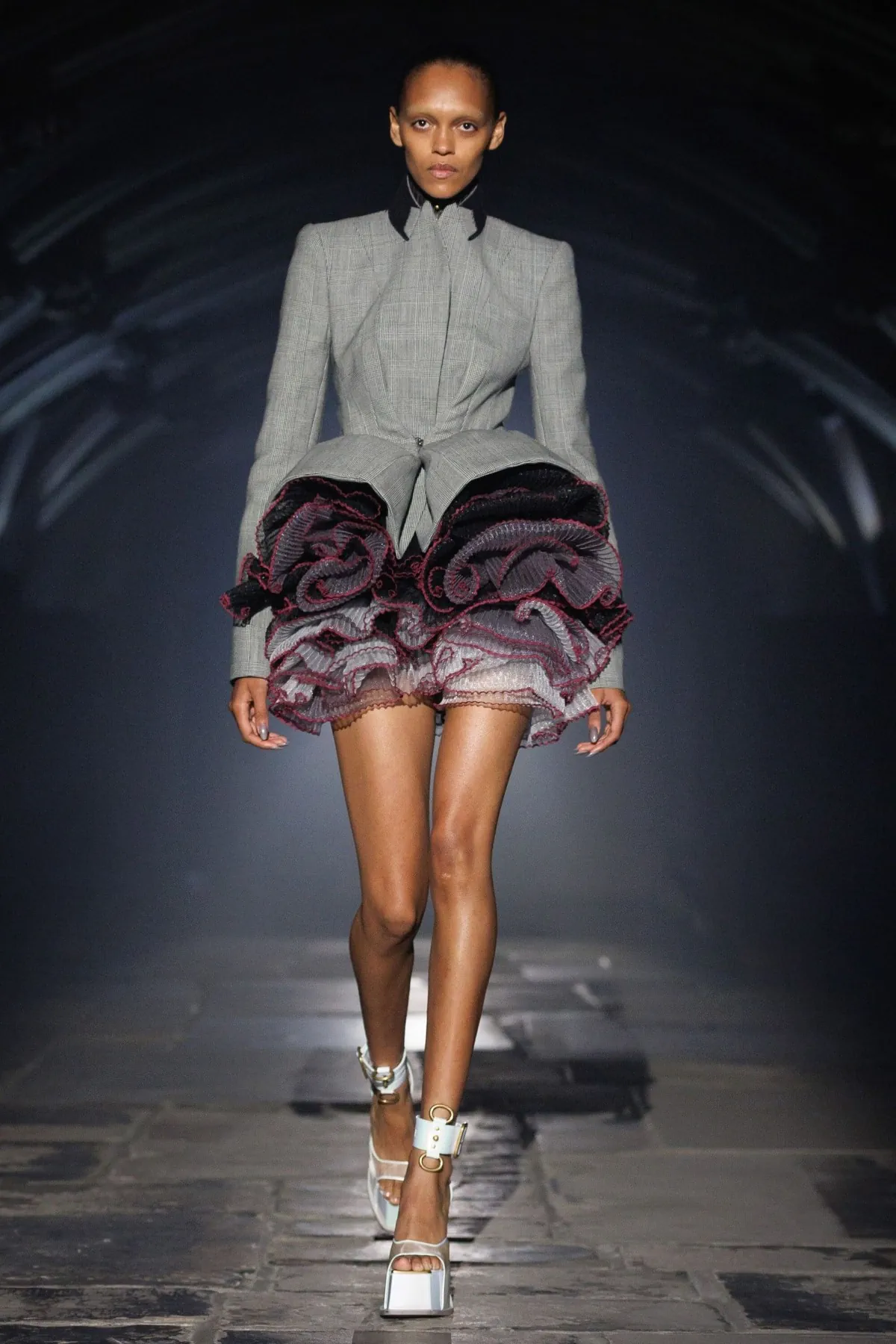
The narrative of the collection was written in the friction between architectural restraint and nocturnal rebellion. McGirr anchored the presentation in the eternal duality of London itself: the pristine, razor-sharp discipline of Savile Row tailoring set against the sweaty, hedonistic haze of warehouse raves and subcultural grit. This tension was immediately visible in the tailoring, where exaggerated, sculptural angel-wing shoulders pushed outward from ultra-precise silhouettes, and elongated suits established a strict, narrow posture. In a brilliant nod to British heritage craftsmanship, the runway featured bespoke menswear looks created in collaboration with the legendary Savile Row tailor Huntsman, fusing historical heritage wools with contemporary underground proportions.
Related article - Uphorial Shopify
Yet, as the structure gave way to skin, the collection unlocked a visceral, haunting elegance. Religious portraiture and sacred art collided with washed neon shades and the glossy finish of lacquered satin. Smoked tulle and reflective glass organza hovered like mist over the body, playing a delicate game of revelation and concealment. Models navigated the stone floor draped in garments that shifted seamlessly from density to transparency—jacquards with nocturnal patterns dissolving into sheer layers, offset by sharp leather harnesses and punishingly high platform footwear. Master jeweler Shaun Leane, a vital collaborator from the era of the late Lee McQueen, contributed precious metal body pieces that felt less like accessories and more like structural armor forged for the modern epoch.

History bled into the present most potently through subtle, reverent resurrections of the house's DNA. The iconic skull motif—which first punctuated the runway during the label's landmark 2001 London shows—returned in a breathtaking display of bedazzled net embroidery, serving as a glittering totem of endurance and defiance. It was a visual language that refused to pander to modern minimalism, choosing instead to lean into the theatrical, the slightly demonic, and the gorgeously macabre.
When the last notes of the electronic soundtrack faded against the ancient chapel stones, the message was unmistakable. This was not a nostalgic exercise in looking backward, but a reclamation of power. By dragging its history through the dark, electric alleys of London's present, McQueen proved under McGirr's guidance that true luxury is not born of safety or comfort, but of an unyielding, beautiful tension between the sacred and the profane.