PARIS - The evening sky over Paris settled into a velvet indigo, providing the perfect canvas for a spectacle that redefined the architecture of a runway show. At the heart of the capital, the Louis Vuitton Men’s Spring-Summer 2027 collection did not merely debut; it breathed. Under the visionary creative direction of Pharrell Williams, the event transformed the traditional fashion display into an immersive, sensory-driven masterclass, bridging the storied "Art of Travel" heritage of the house with the kinetic, raw pulse of global street culture. This was an orchestration of identity, a sophisticated synthesis of high-fashion rigor and suburban grit, staged for a contemporary audience that demands more than just garments—it demands a narrative.
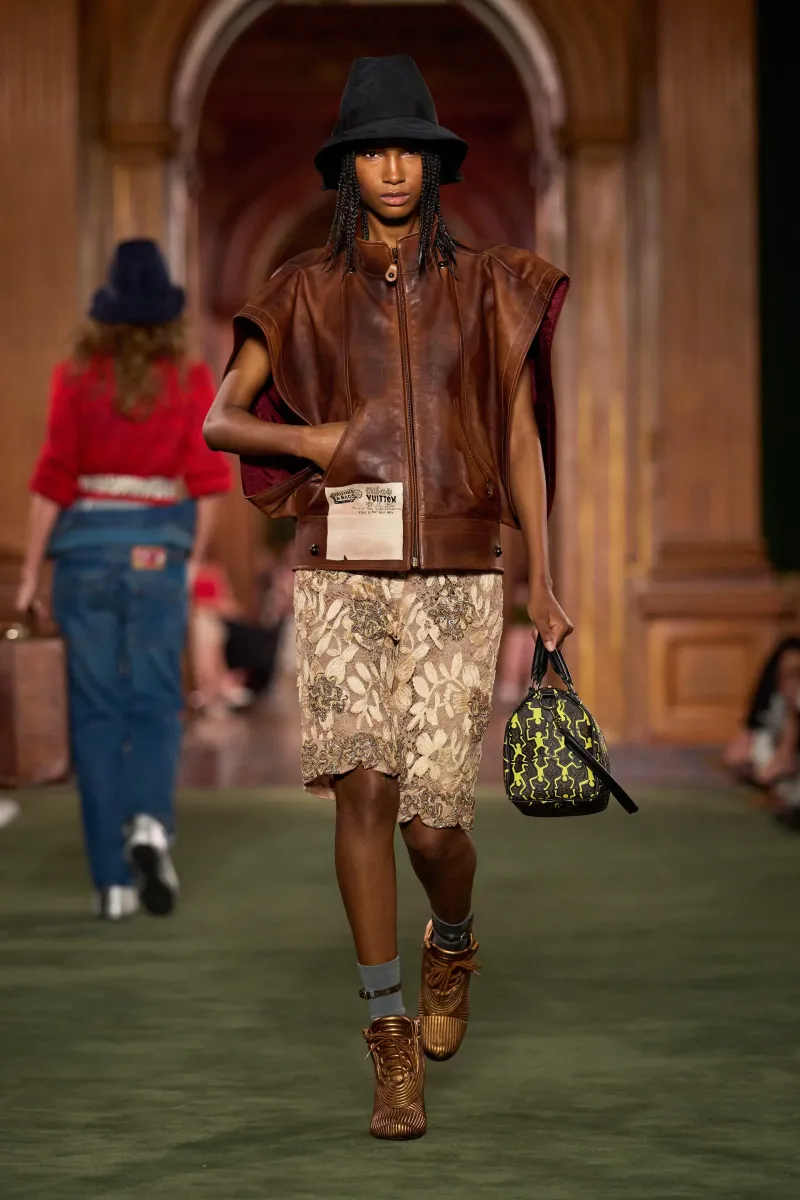
The runway was not merely a path for models, but a conduit for cultural dialogue. Williams has increasingly used his platform at Louis Vuitton to interrogate what it means to belong to a global community, and this collection served as his most compelling thesis yet. By reinterpreting the house’s iconic aesthetics through the lens of suburban life and international street style, he invited the audience to look past the logo and into the psyche of the modern traveler. The clothes reflected a tension between the refined—tailoring that spoke to the history of the maison—and the utilitarian, garments that felt as if they were designed for the rhythm of city streets rather than the stasis of a museum. It was a transformational framing of luxury, suggesting that the ultimate travel accessory in the modern age is not a trunk, but the authentic articulation of one’s own culture.

Related article - Uphorial Shopify

If the silhouettes provided the visual language, the soundtrack served as the heartbeat of the show. Curated with the meticulous care of a master producer, the musical score transcended its role as mere background noise, becoming an active participant in the runway's emotional arc. The event featured a hauntingly beautiful and rhythmic live contribution from the Voices of Fire choir, who provided a spiritual weight that contrasted with the precision of l’Orchestre du Pont Neuf, masterfully conducted by Thomas Roussel. This fusion of the classical and the contemporary set the stage for a suite of tracks that felt both urgent and timeless. From the driving, infectious energy of Quavo’s "HAAVIN" and the street-level grit of Lil Baby’s "Dead Fresh," to the rhythmic complexity of "Simulation" featuring YoungBoy Never Broke Again, the curation was a testament to Williams’ ability to synthesize disparate musical lineages.

The highlight of this sonic journey arrived with "Bando," a track featuring the legendary Angelique Kidjo. Her presence brought a global, polyrhythmic soul to the proceedings, grounding the high-fashion spectacle in a deeply human, universal frequency. It was a strategic storytelling choice that mirrored the clothes themselves: international, inclusive, and fundamentally rooted in the joy of discovery. As the music swelled to fill the Parisian air, the runway became a site of celebration where the boundaries between genre, heritage, and geography began to dissolve.
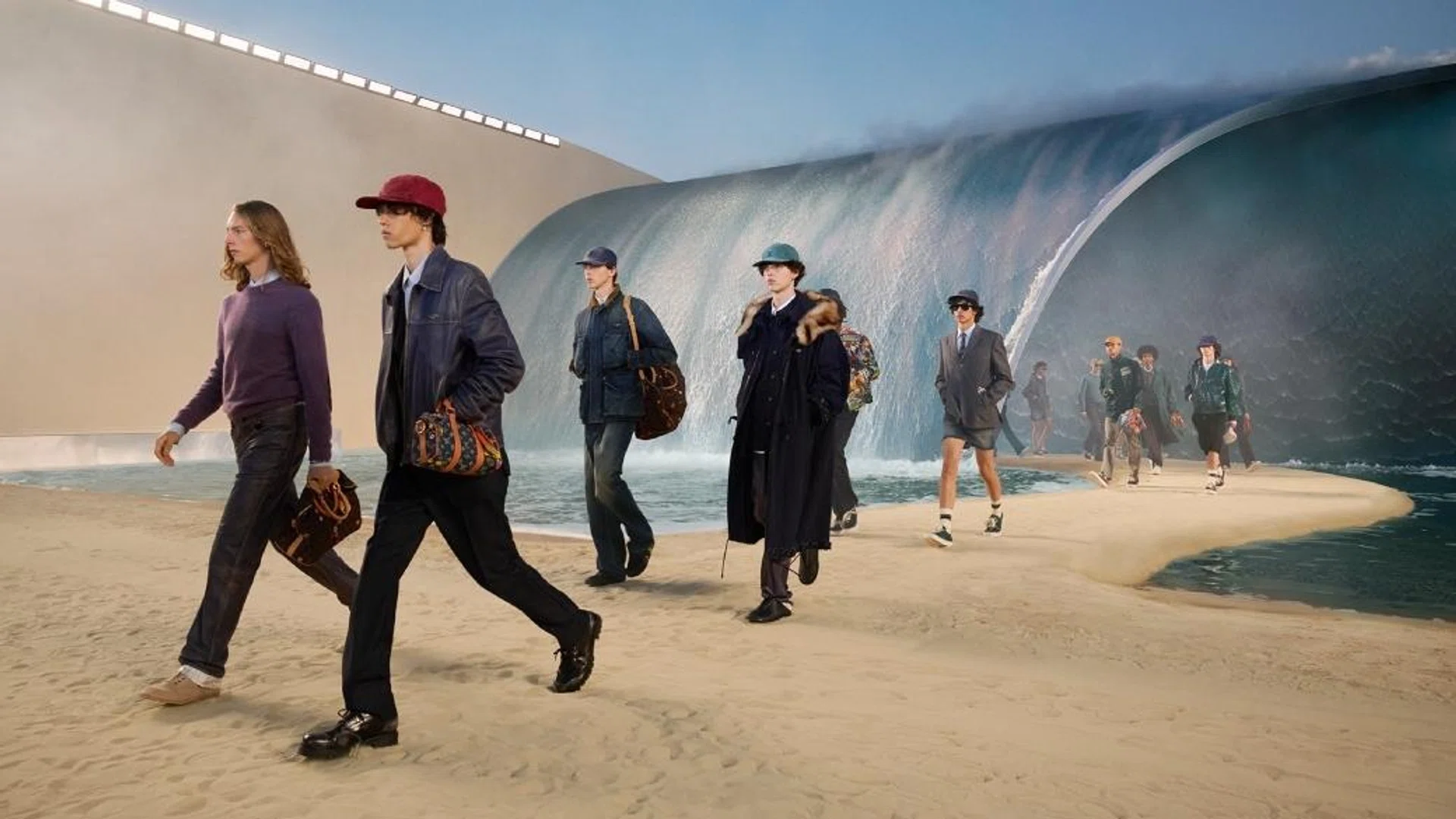
Pharrell Williams has navigated the transition from music mogul to luxury creative director with a surgical understanding of brand equity and cultural resonance. He understands that for a house as storied as Louis Vuitton, the challenge is not just to maintain the heritage, but to mutate it. In this collection, that mutation manifested as an exploration of identity. The garments—layered, textured, and deeply functional—seemed to tell the story of a world in motion, a world where the suburban aesthetic is as worthy of the catwalk as the couture traditions of the Avenue Montaigne. By centering the collection on the idea of the "global citizen," Williams has effectively moved the maison toward a more fluid, democratic future.
As the show reached its crescendo and the models took their final turns, the impact was clear: this was not a collection meant to sit in a glass case, but one intended to move through the world. The blend of high-fashion craftsmanship with the raw, vibrant energy of the music industry created a moment that felt like a glimpse into the next decade of luxury. Williams has successfully curated a space where the "Art of Travel" is no longer about the destination, but about the suitcase of influences, sounds, and cultures that we carry with us. By the time the final echoes of the orchestra faded into the night, it was evident that the Spring-Summer 2027 collection had succeeded in its primary ambition—it did not just reflect the contemporary moment, it actively shaped it. In the hands of Pharrell Williams, Louis Vuitton remains a house that does not just move with the culture; it sets the pace.