The roads of the Ardennes, specifically the hallowed, grueling 259.5 kilometers of Liège-Bastogne-Liège, possess an uncanny ability to strip away pretense. On April 26, 2026, the 112th edition of ‘La Doyenne’—the oldest of the cycling Monuments—did more than just crown a winner; it offered a glimpse into the future of the sport. As the dust settled in Liège, Tadej Pogačar stood atop the podium for a historic fourth time, but the narrative of the day was inextricably linked to the arrival of a nineteen-year-old phenom, Paul Seixas, whose resilience under the weight of the world champion’s dominance provided one of the most compelling dramas in modern cycling history.
The race began with a level of volatility that defied the conventional rhythm of the Spring Classics. An early crash acted as a fracture point, splitting the peloton and igniting a massive, audacious breakaway of fifty-four riders. This was not the slow-burn tactical game often seen in the Ardennes; it was a firestorm from the flag drop. With pre-race favorites like Remco Evenepoel ensconced in the front group, the tactical landscape was upended. UAE Team Emirates, tasked with the burden of controlling the race for Pogačar, found themselves on the defensive, forced to reel in a move that stretched to four minutes. The tension was palpable; for over 160 kilometers, the race existed on a knife-edge, a high-stakes chess match played at a pace that shattered all previous records.
Related article - Uphorial Shopify
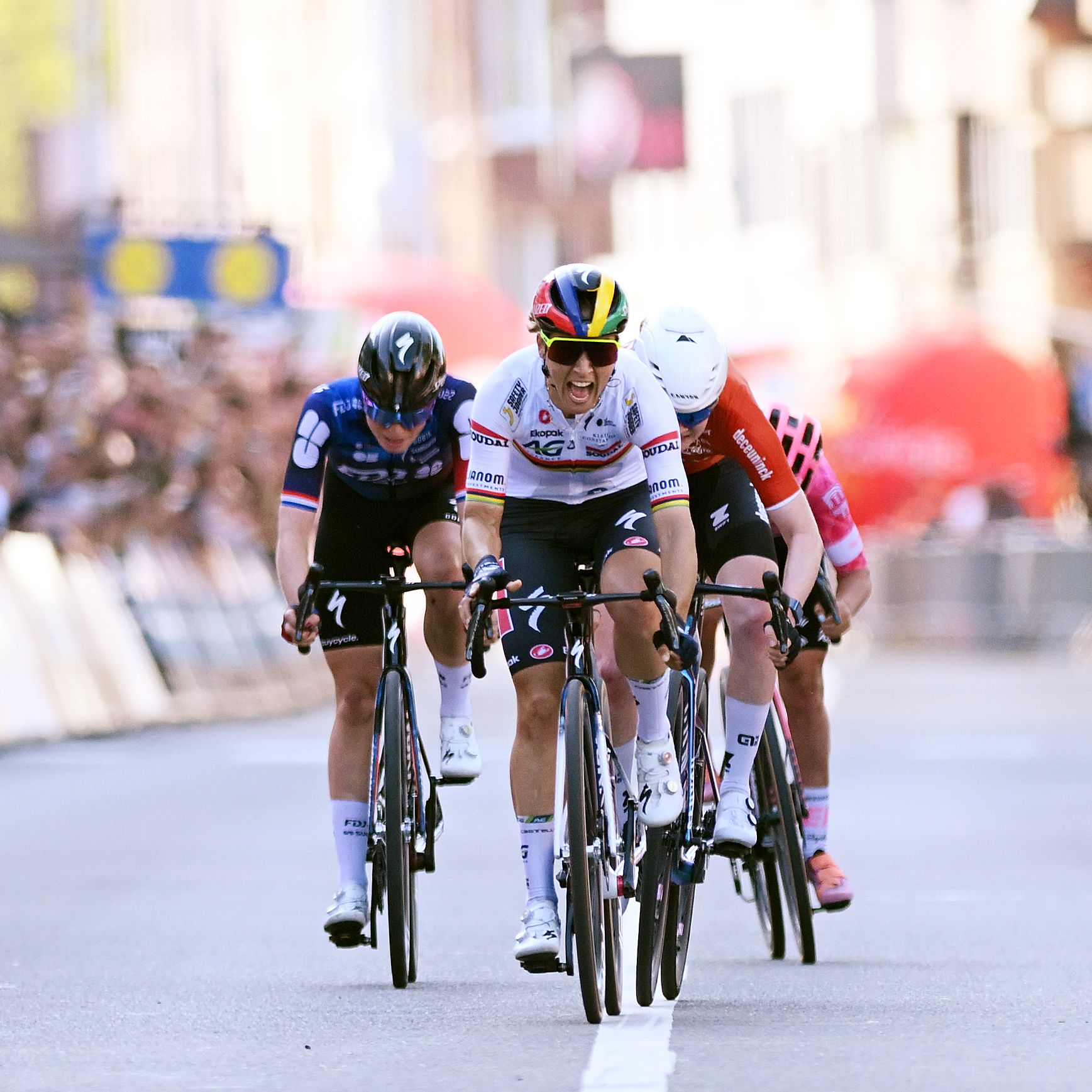
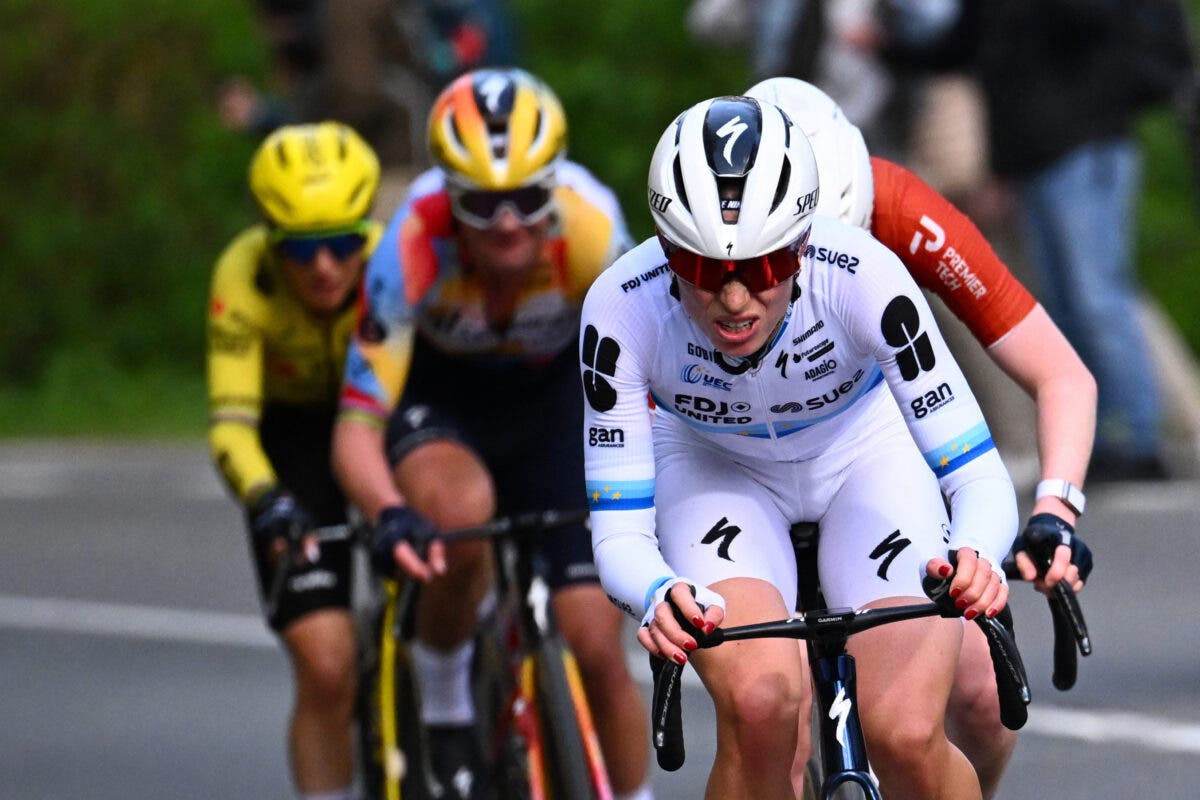
As the race hammered toward the Côte de la Redoute, the inevitable "reset" occurred. The breakaway was finally nullified, and the favorites reclaimed their territory. Yet, the cost of the earlier aggression had been steep. When Pogačar finally launched his patented, devastating attack on the fearsome gradients of La Redoute, the field did not merely stretch—it disintegrated. Most of the elite contenders, including Evenepoel, were left to fight for the scraps of the podium, unable to match the sheer, terrifying power of the Slovenian superstar. But in the shadow of the world champion, a young Frenchman refused to yield. Paul Seixas, riding his first-ever Liège-Bastogne-Liège, stayed glued to Pogačar’s rear wheel, absorbing surges that had ended the ambitions of far more experienced riders.The imagery of the two riders climbing together, locked in a silent dialogue of lactic acid and will, became the defining frame of the 2026 season. It was a confrontation of eras: the established master, Pogačar, seeking to cement his legacy, and the challenger, Seixas, fueled by the fearless intensity of youth. For kilometers, the duo traded pace, testing the limits of each other’s endurance across the lumpy, unforgiving Ardennes terrain. For a moment, it seemed that the young Frenchman might actually push the world champion to a sprint finish—a feat that would have fundamentally redefined the competitive landscape of the sport.
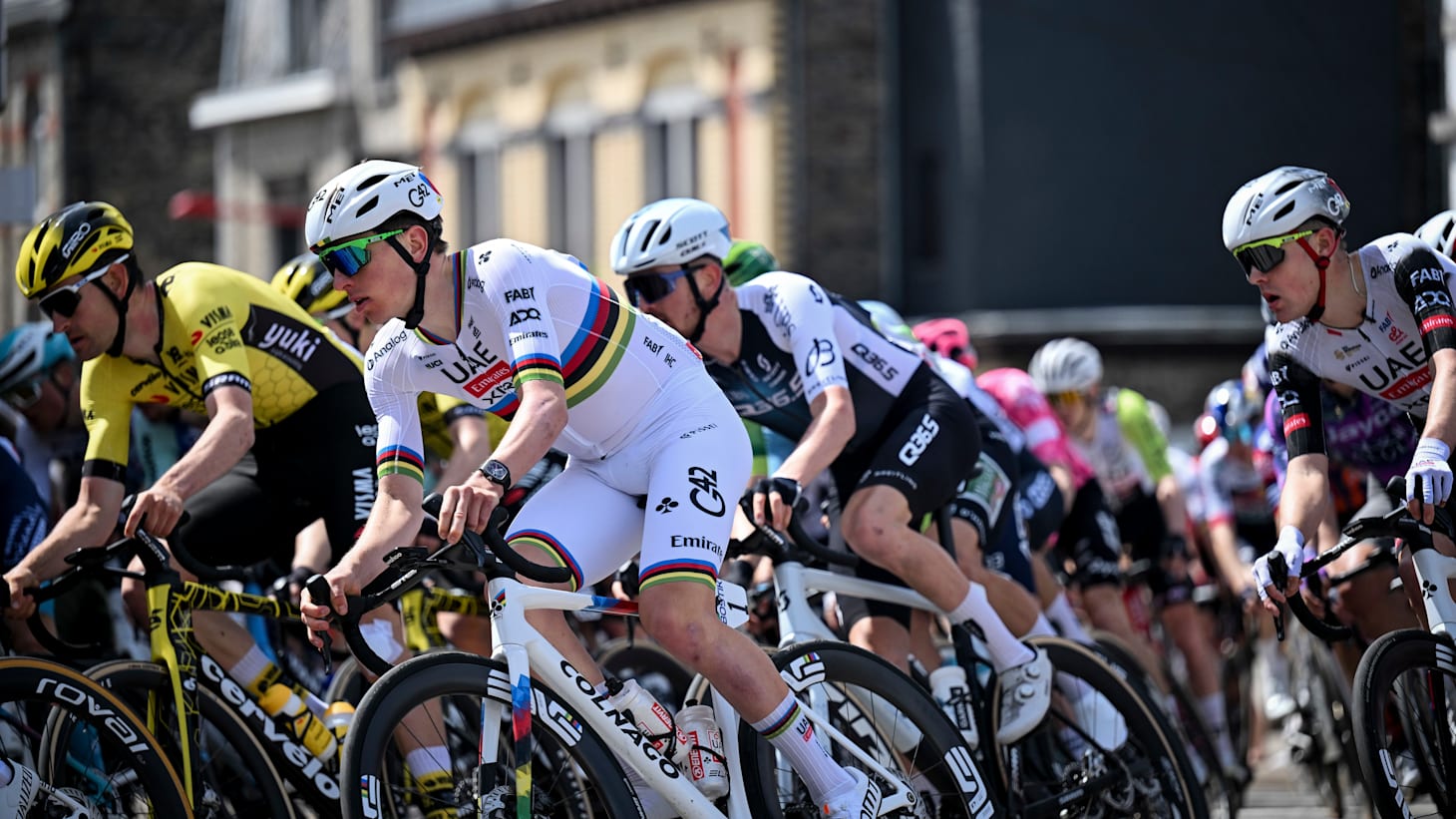
The deciding blow arrived on the Côte de la Roche-aux-Faucons. With 14 kilometers remaining, Pogačar, sensing the danger and perhaps even respect for the challenge posed by his young rival, lifted the pace once more. The effort proved too much even for the remarkable Seixas. The elastic finally snapped; the Frenchman, fighting grimly, crested the climb twenty seconds behind, his resistance broken but his reputation firmly established among the elite. From there, it was a familiar, relentless display of Pogačar’s authority. He rode into Liège alone, a picture of focused concentration, adding a fourth ‘La Doyenne’ title to his already staggering palmarès and inching closer to the legendary record of Eddy Merckx.
Behind, the race for the final spot on the podium was a story of its own. Remco Evenepoel, having spent his reserves in the frantic early breakaway and the subsequent chase, fought with the tenacity of a champion to secure third in the sprint for the remaining podium place. The gap—nearly a minute and a half behind Pogačar—told the story of the day. It was a race defined by a historic pace, a record-breaking 44.42 km/h that turned the Ardennes into a theater of pure physiological endurance.For Pogačar, the victory was a validation of his status as the defining athlete of the decade, a win that carried the weight of history and the pressure of extreme expectation. For Seixas, the second-place finish was a breakthrough that signaled the arrival of a genuine rival to Pogačar’s reign. In the aftermath, the sport is left to grapple with the reality of what was witnessed: a race that refused to follow the script, a dominant performance that was challenged by raw, precocious talent, and a podium that marks the beginning of a new chapter in cycling history. As the World Champion celebrated his thirteenth Monument victory, the cycling world turned its eyes not just to the champion of today, but to the young man who, for one afternoon in April, dared to stare him down on the most brutal climbs in the world.