ANFIELD STADIUM – The final act of a Premier League season at Anfield is always imbued with a unique, heavy atmosphere—a confluence of reflection, finality, and the distinct tension that only a closing fixture can command. As the 2025/26 campaign drew to its quiet close on Sunday, Liverpool played host to Brentford in a 1-1 draw that captured the essence of a season defined by resilience and narrow margins. For the home crowd, it was a farewell to a long, grueling stretch of competition; for the visitors, it was the final, desperate gamble for a European qualification spot that remained just beyond their reach. The match did not provide the explosive finish that often characterizes the final day, but it offered something perhaps more poignant: a display of tactical parity and the sobering reminder that in the unforgiving theater of the top flight, every inch and every deflection carries the weight of a campaign.
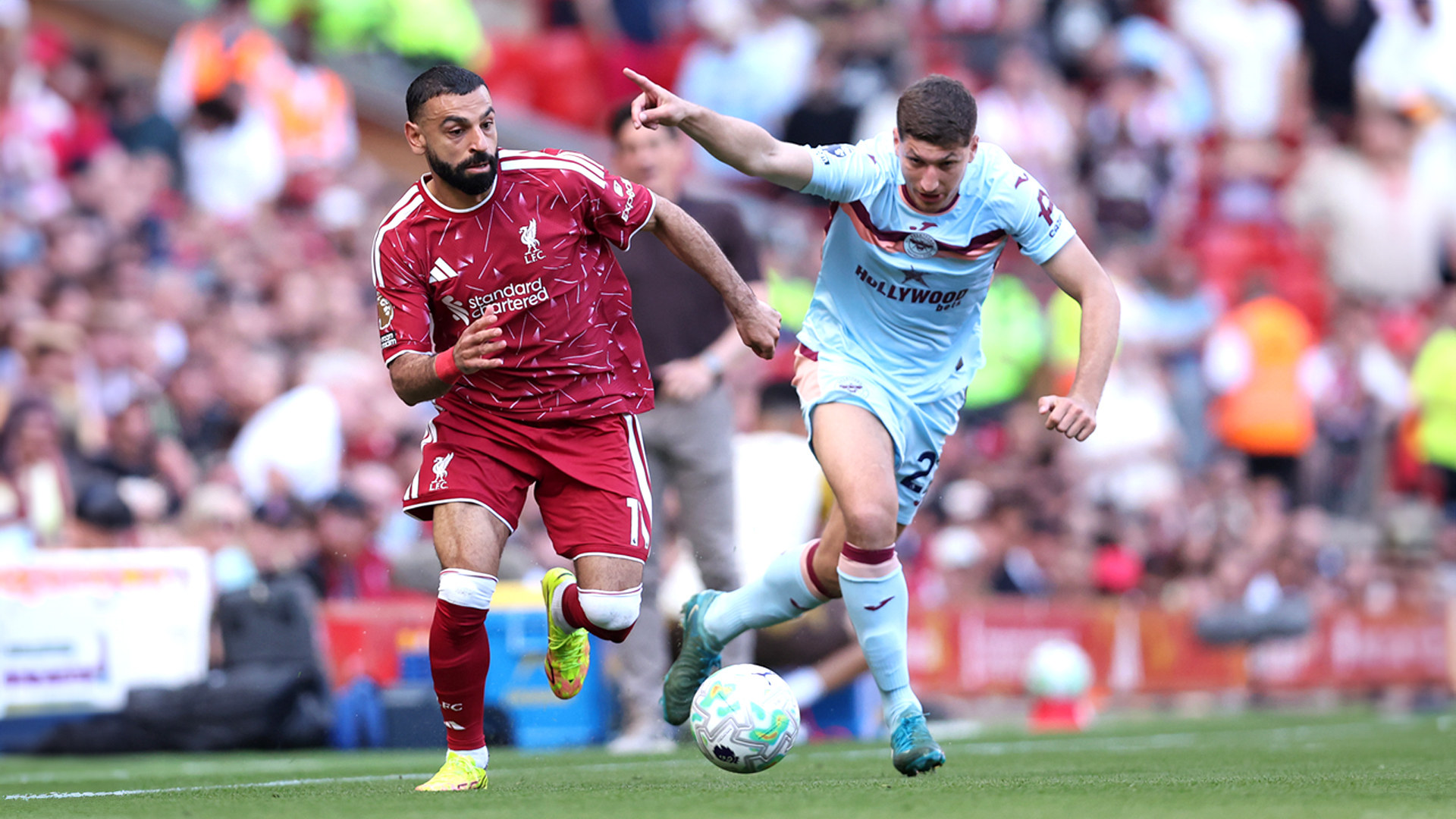
The first half was a masterclass in controlled intensity, a high-stakes chess match where both sides understood that a single error could dictate the narrative of their respective summers. Liverpool, playing with the poise of a side that has navigated years of these high-pressure environments, frequently tested the Brentford defensive lines. The moment of the half—and perhaps the most cruel twist of the afternoon—came when Mo Salah, the team’s perennial talisman, found the space that he has exploited for seasons, only to see his effort agonisingly rattle the post. It was a moment of emotional precision that seemed to set the tone for the entire encounter; there was a sense of inevitability about the struggle, a realization that the margins between the net and the woodwork were as thin as the history of the sport itself.
The breakthrough, when it arrived, was a testament to the symbiotic relationship between Liverpool’s established guard and its rising tactical core. Mo Salah, demonstrating the intelligent curation of space that remains the envy of the league, drifted into a pocket that drew the defense away, allowing him to thread a precise setup into the path of Curtis Jones. Jones, showing the composure of a veteran, finished the move with clinical accuracy, sending the Anfield crowd into the familiar roar that has echoed across the Mersey for decades. It was a goal that felt like a logical culmination of Liverpool’s pressure, a tactical reward for a first-half performance that had consistently forced Brentford to defend with their backs against the wall.
Related article - Uphorial Shopify


However, football rarely adheres to the script of the favorites. Brentford, driven by the existential necessity of their quest for European football, refused to be cowed by the weight of Anfield. As the second half matured, the visitors began to find their own rhythm, a strategic storytelling shift that saw them abandon caution in favor of a relentless, direct assault. The equalizer was a byproduct of this tenacity: a deflected cross from Keane Lewis-Potter found its way into the box, where Kevin Schade, rising above the scramble with remarkable timing, powered a header into the back of the net. The silence that briefly descended upon the Kop was the sound of a dream being challenged; Schade’s goal was more than just an equalizer—it was a statement of intent from a club that has spent the season systematically dismantling the hierarchies of the division.
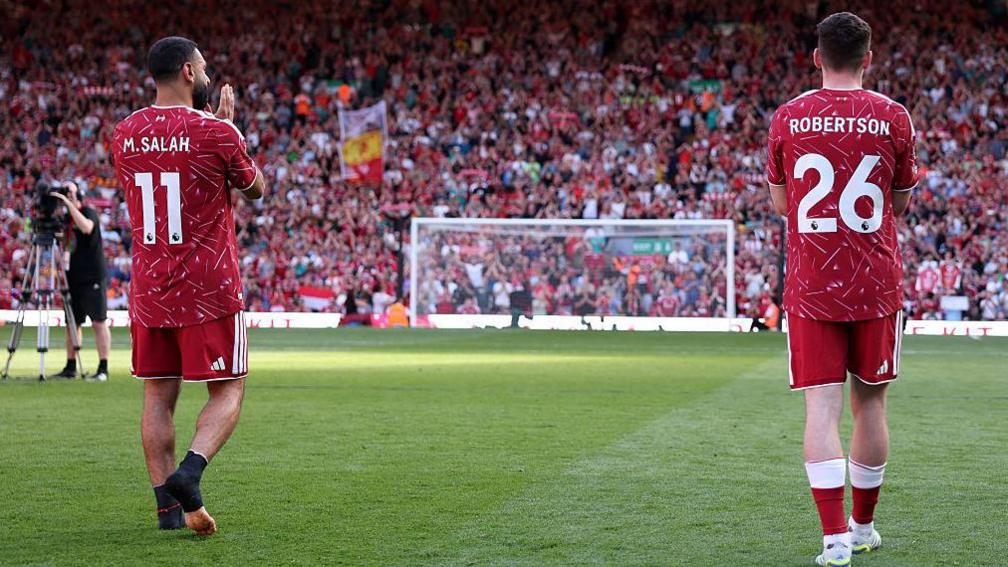
The closing moments of the season were a blur of ambition and exhaustion. Both Liverpool and Brentford pressed forward, sensing that a final win would provide the perfect punctuation to their year. Yet, the final pass, the decisive turn, or the lucky bounce failed to materialize for either side. As the referee’s whistle signaled the end of proceedings, the draw was a fitting conclusion to a season that has often forced both teams to confront the limits of their own endurance. The result was not the victory either side had envisioned, but it was an honest reflection of a game that remained perfectly balanced until the final second.
This fixture serves as a transformational framing of the season as a whole: a year where the gap between the traditional elite and the challengers has continued to shrink, where European qualification is a prize contested down to the final minute of the final day, and where a single deflected cross can alter the trajectory of a club’s financial and sporting future. For Liverpool, the match was a reflection of a campaign of transition and stubborn consistency. For Brentford, it was the final chapter of a journey that has solidified their reputation as a club that can hold its own against the giants of the game.
As the players left the pitch, the cultural understanding of the moment was clear—the league is an unforgiving machine that demands constant evolution, and the summer ahead would be spent analyzing these narrow margins to ensure they fall in their favor next time. The 1-1 draw was not a tragedy, nor was it a triumph, but it was a deeply human moment of sport—a reminder that in the high-stakes world of the Premier League, there is no guarantee of a fairy-tale finish. Instead, there is only the ongoing, iterative work of competing, of adjusting, and of preparing for the next whistle to blow. For now, the season concludes, leaving behind the memories of the near-misses, the tactical shifts, and the moments of brilliance that keep the cycle of the sport turning, setting the stage for a new season that will inevitably demand even more from everyone involved.