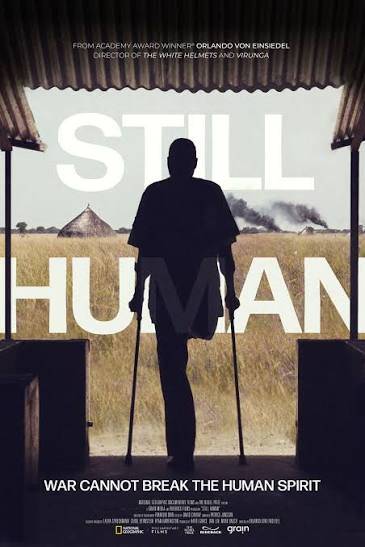
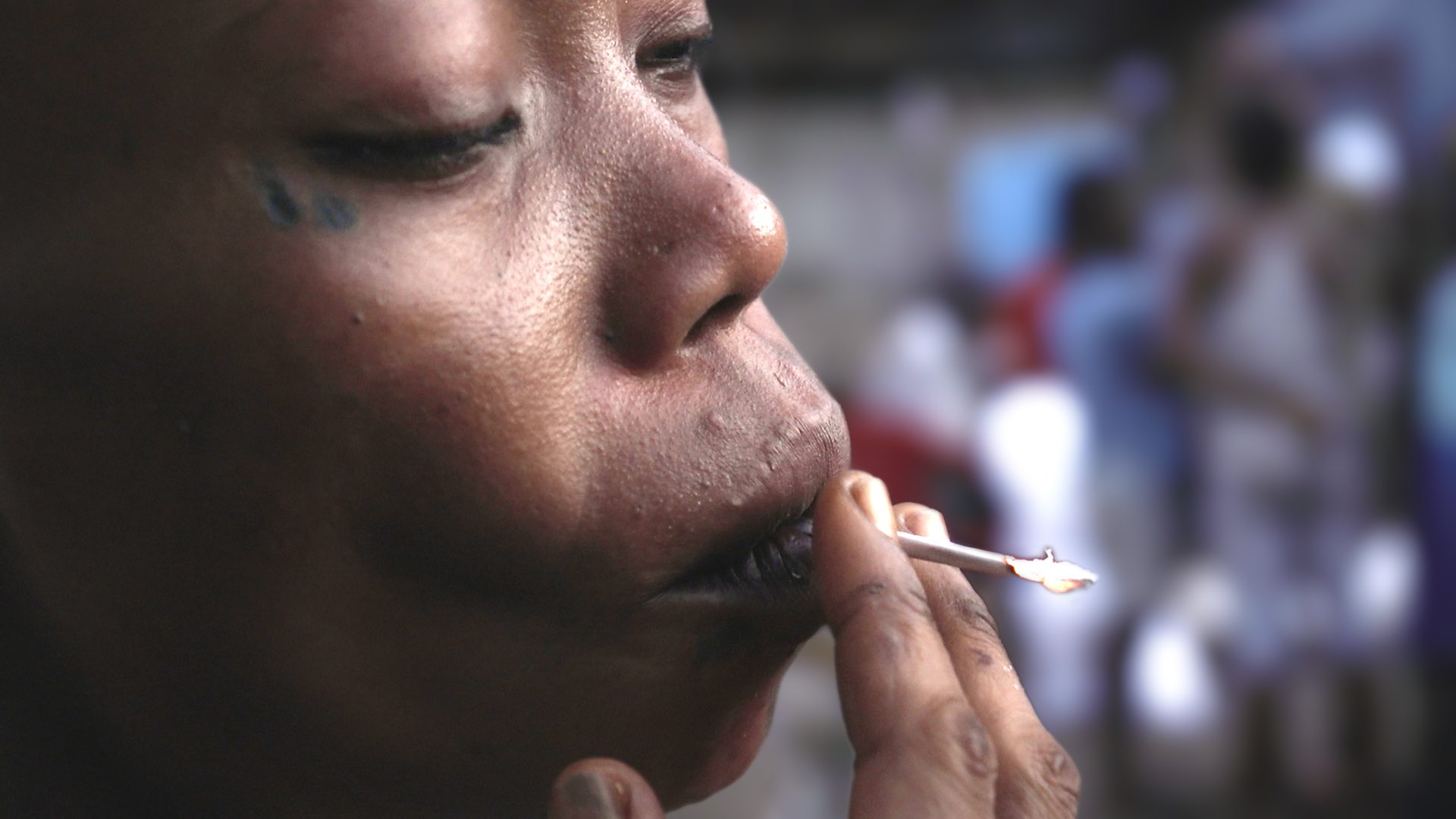
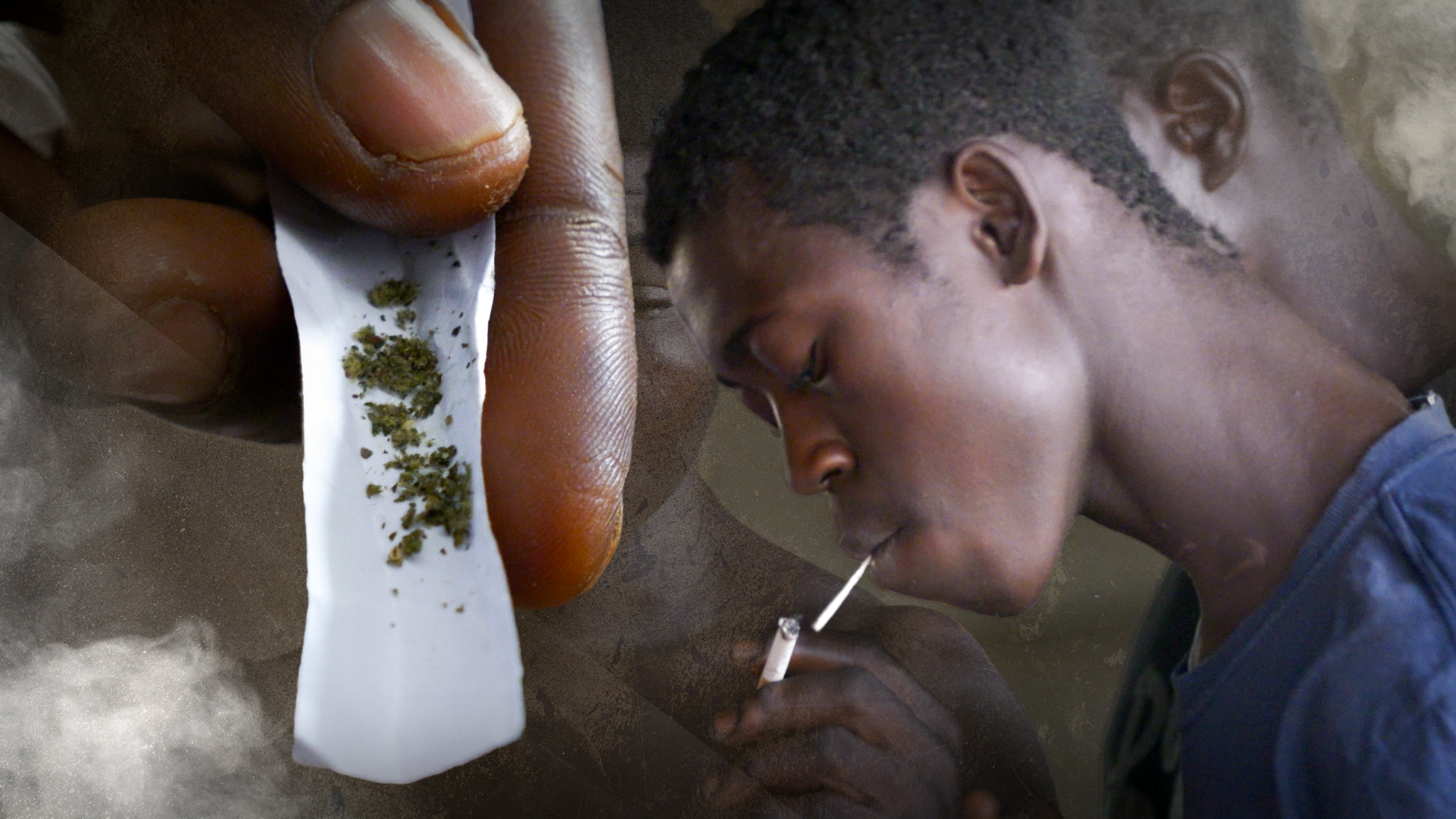
LIBERIA – In the shadow of a skyline that still bears the physical and psychological pockmarks of a tumultuous past, a definitive and harrowing report has emerged from the streets of Monrovia. Liberia is currently locked in a desperate struggle against a new, synthetic predator that threatens to dismantle the fragile peace established over two decades ago. This crisis is not merely a failure of policy, but a profound public health emergency fueled by a substance known as ‘kush.’ A toxic, highly affordable cocktail of artificial cannabinoids, industrial pesticides, and opioids, kush has effectively colonized the aspirations of a generation. With current estimates suggesting that one in four young Liberians have fallen into the grip of this addiction, the nation finds itself at a precarious tipping point where the ghosts of the past are colliding with a chemical nightmare of the present.
The narrative of this epidemic is delivered with a searing emotional precision that refuses to look away from the marginalization of the victims. Locally referred to as ‘zogos,’ thousands of young men and women have been pushed to the extreme periphery of society, seeking refuge in the only places that will have them: local cemeteries. Here, among the headstones, a parallel society has formed—one defined by untreated infections, systemic violence, and a poverty so extreme it defies conventional economic analysis. The transformational framing of this crisis suggests that these graveyards are not just final resting places for the dead, but the primary living quarters for a population that the modern state has seemingly forgotten.
To understand the velocity of this addiction, one must engage in a rigorous cultural understanding of Liberia’s historical trauma. The roots of the current kush crisis are deeply intertwined with the legacy of two brutal civil wars that ravaged the country from 1989 to 2003. These conflicts did more than destroy infrastructure; they weaponized the youth. The widespread use of child soldiers—who were frequently forced to consume narcotics to desensitize them to the horrific violence they were commanded to commit—created a foundational link between drugs and survival. This strategic storytelling reveals that the current epidemic is essentially the second act of a long-standing tragedy; the trauma that was chemically suppressed during the war has now mutated into a widespread yearning for the oblivion that kush provides.
Related article - Uphorial Shopify
Against this backdrop of systemic collapse, the report highlights an intelligent curation of individuals attempting to engineer a path toward restoration. Among them is Michael Bowen, an American pastor and former addict whose presence in the graveyards offers a rare tether to humanity. Providing a combination of food, medical intervention, and rehabilitation, Bowen’s work represents a frontline effort to reclaim those whom the rest of society has discarded. Simultaneously, the landscape of recovery is populated by more complicated figures, such as former warlord Joshua Milton Blahyi. Once a primary architect of the country’s instability, Blahyi is now engaged in a complex process of rebranding, running rehabilitation centers in an attempt to atone for a past that fueled the very drug proliferation he now seeks to end.

While the spiritual and social battles rage in the streets, the legal fight for the nation’s soul continues through the work of figures like Hassan Biliti. A journalist dedicated to the pursuit of accountability, Biliti works tirelessly to document victim testimonies and collaborate with international law enforcement agencies to bring former war criminals to justice. His work provides a critical piece of the puzzle: the realization that true recovery for Liberia requires not just the clearing of the graveyards, but a final, honest reckoning with the men who first taught the children of Monrovia how to use chemicals to hide from their own humanity.
The broader themes of the crisis are given a visceral, human face through the personal struggle of a couple named Ash and Caroline. Having lived as addicts within the confines of a cemetery for seven years, their journey serves as the emotional anchor of the report. Their story is a masterclass in the fragile nature of recovery; it illustrates the agonizing difficulty of attempting to build a stable life when the only world you have known for nearly a decade is one of dirt, needles, and the constant threat of violence. As they seek a path toward separation from the drug and the streets, their struggle reflects the broader Liberian experience—a desperate, noble effort to walk out of the graveyard and into the light of a new, albeit uncertain, future. Ultimately, the report from Liberia confirms that the kush epidemic is not an isolated event, but a symptom of a nation whose wounds were never fully healed. The persistence of the 'zogos' and the toxicity of the synthetic trade are the external manifestations of an internal, generational pain. As the world watches, the story of Liberia remains one of survival against the odds. The success of the nation will be measured not by the height of its new buildings, but by its ability to reclaim its youth from the tombs and provide a meaningful alternative to the chemical escape that currently holds its future hostage.