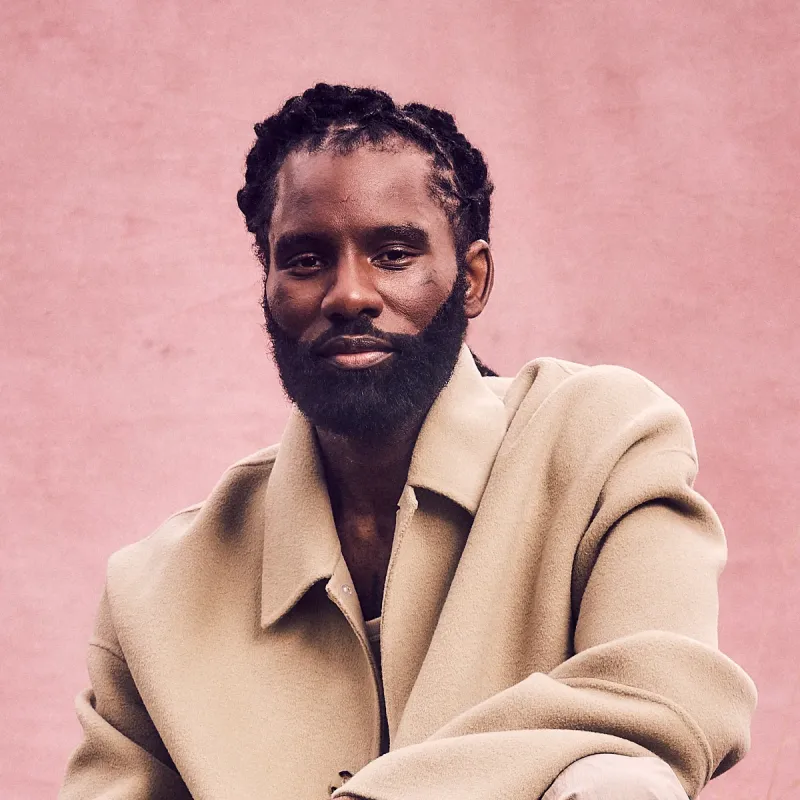
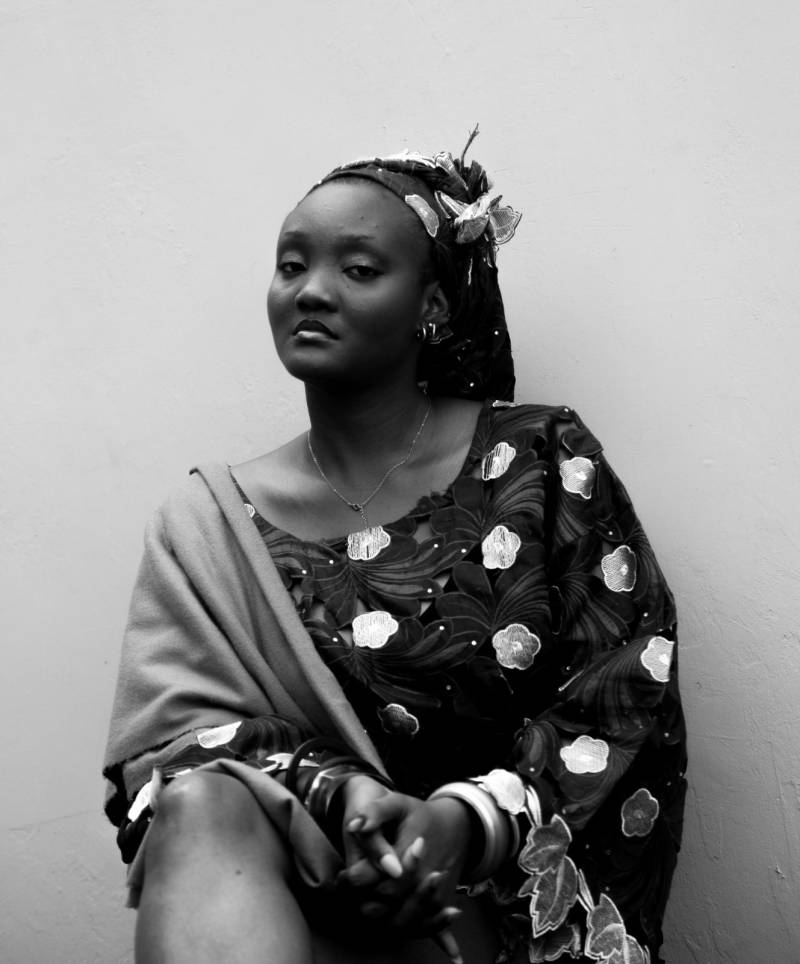
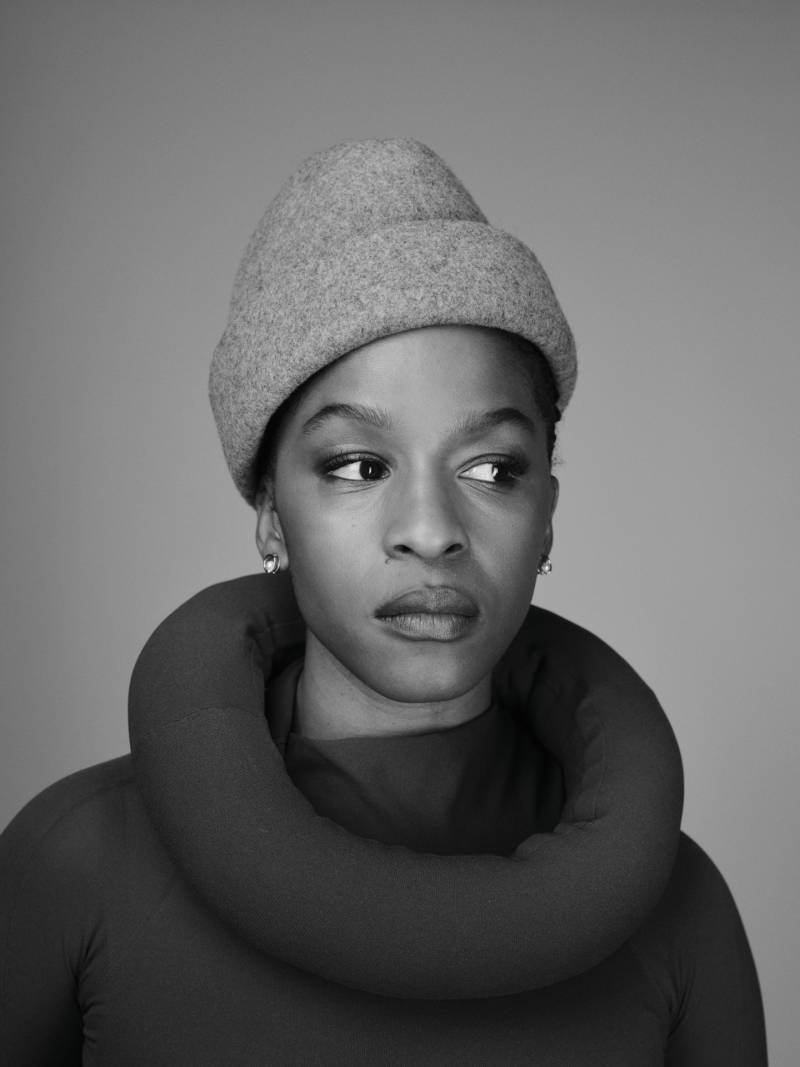
LAGOS – The walls of LegacyPlus Studios recently bore witness to a sonic demonstration of ancestral legacy meeting modern introspection as Mádé Kuti and his formidable ensemble, The Movement, delivered a breathtaking live performance of "I Won't Run Away." In a musical landscape often dominated by the ephemeral and the digitally polished, this live session serves as a stark, vibrant counterpoint. It is a performance that does not merely invite the listener to hear a melody, but to participate in a rigorous psychological audit. The recording captures a moment of raw, unvarnished truth, showcasing an artist who has moved beyond the shadow of his legendary lineage to forge a path defined by a sophisticated blend of Afrobeat complexity and universal human vulnerability.
At the heart of the performance lies a core message that is both an anthem and a personal manifesto. "I Won't Run Away" is a profound study in self-confrontation, moving away from the outward-facing political fire that characterized previous generations to address the "battle within." The lyrics serve as a deliberate challenge to the listener, urging an uncomfortable but necessary internal examination. Kuti’s delivery is unwavering as he encourages the confrontation of one's own "ugly," "dirt," and "bad things." It is a lyrical rejection of the modern tendency to flee from personal discomfort, suggesting instead that the only path to genuine liberation is through a direct, honest encounter with the aspects of our character that we most often attempt to obscure.
This theme of personal development is the primary engine of the track. Throughout the performance, there is an underlying sense of inevitability and duty toward the self. Kuti’s declaration that "I will grow as I must grow" functions as a vow of endurance. It frames personal growth not as a passive occurrence, but as a deliberate and sometimes painful act of will. By vowing to "face it all," the artist positions the struggle for self-betterment as a heroic act, one that requires a level of courage usually reserved for the battlefield. This narrative of self-confrontation is elevated by the sheer physicality of the performance, where every note feels like a step taken toward a more authentic version of the self.

Related article - Uphorial Shopify
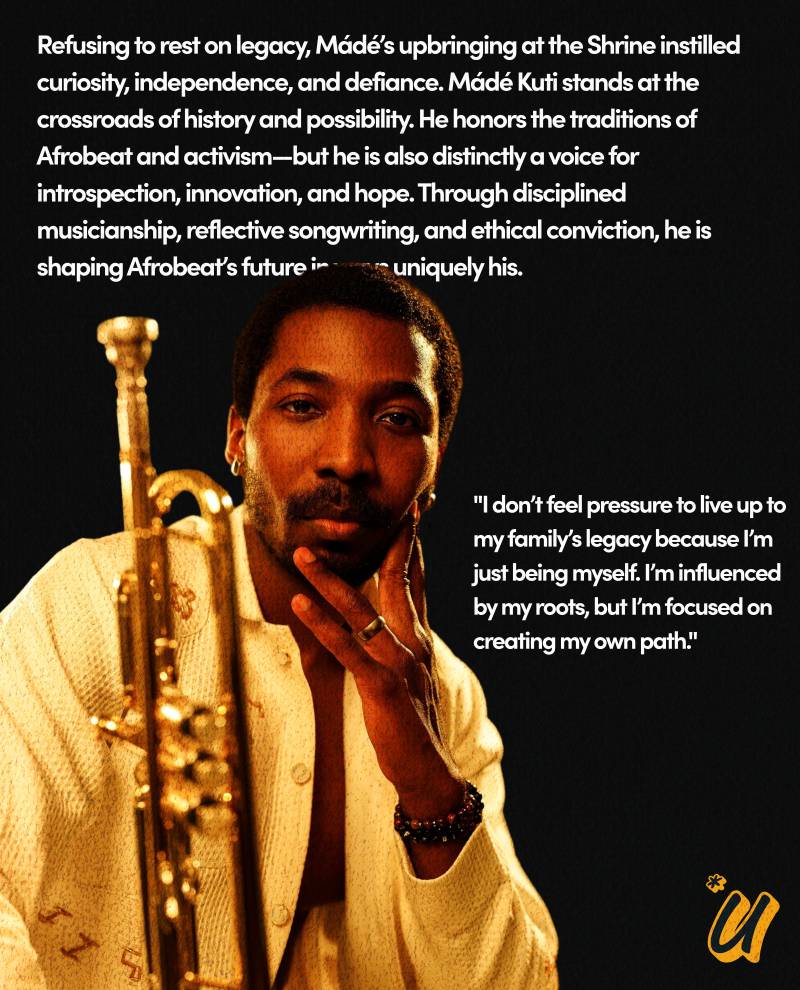
Mádé Kuti Unfiltered
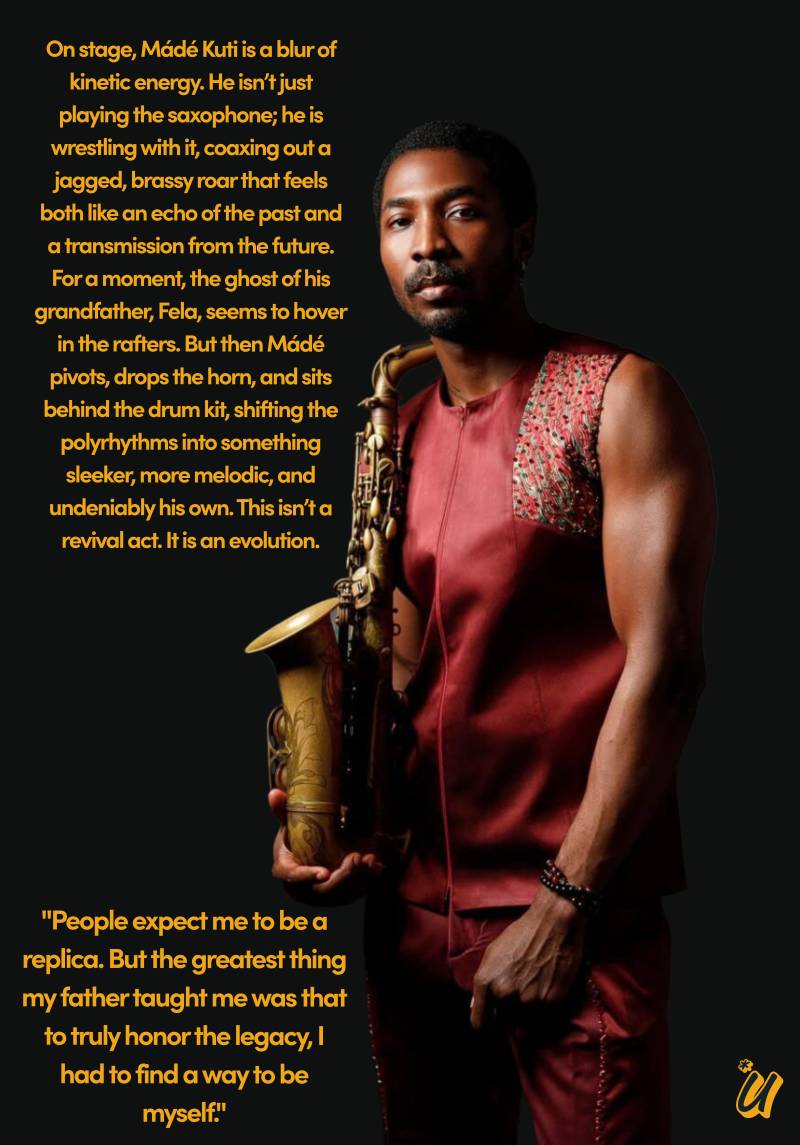
Musically, the performance is a masterclass in dynamic arrangement and collective synergy. Leading The Movement, Mádé Kuti orchestrates a dense, layered soundscape that remains remarkably agile. The track is punctuated by a recurring, rhythmic vocal refrain—the word "Heat"—which serves as both a percussive element and a thematic symbol. This repetition of "Heat" acts as a pressure cooker for the song’s intensity, building a sense of rising stakes that mirrors the internal friction described in the lyrics. The arrangement allows for moments of explosive brass and intricate percussion while maintaining a steady, driving pulse that keeps the listener anchored to the song’s philosophical core.

The success of the session is undeniably rooted in the seamless blend of live instrumentation provided by a world-class assembly of musicians. The collective talent in the room—including the multi-instrumentalist Omorinmade Anikulapo Kuti and the vocal and rhythmic contributions of artists like Oluwaseun Ajike—creates an environment where the music feels like a living, breathing entity. The technical proficiency of the ensemble allows for the kind of "in-the-moment" improvisation and energy that is often lost in studio recordings. Each musician appears fully integrated into the song’s mission, contributing to a wall of sound that is as disciplined as it is powerful.
Ultimately, the LegacyPlus Studios session stands as a definitive marker in Mádé Kuti’s evolving career. It is a performance that bridges the gap between the traditional and the contemporary, proving that the roots of Afrobeat are capable of sustaining a new kind of modern, introspective storytelling. By focusing on the internal landscape, Kuti has found a way to make the music feel deeply personal while retaining the grand, orchestral scale that his family name commands. "I Won't Run Away" is more than just a song performed in a studio; it is a declaration of presence. It is the sound of an artist standing his ground, refusing to blink in the face of his own complexity, and inviting the rest of the world to do the same. This live recording ensures that the message of "I Won't Run Away" is not just heard, but felt with the same heat and intensity that defined its creation.