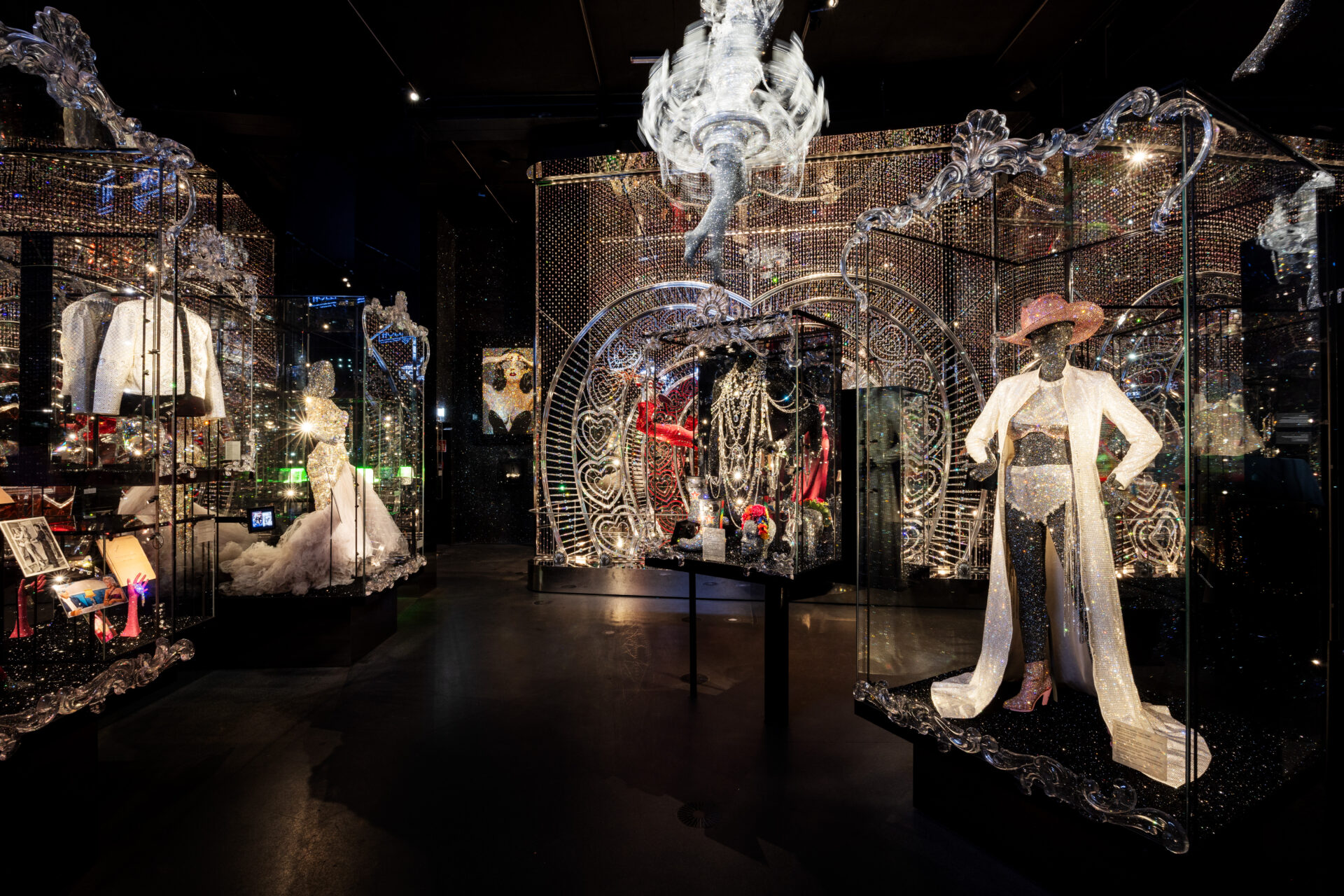
Loïc Prigent takes readers on an immersive tour of the "Masters of Light" exhibition in Los Angeles, which celebrates 130 years of Swarovski's profound and sparkling influence on fashion and cinema, describing the massive display as "an orgasm" or a "crystal orgasm". Prigent, reporting from Hollywood, declared, "Hollywood, stop everything you're doing," underscoring the spectacle of the event which showcases "crystals, joy, glam, and we mean Hollywood glamour". The exhibition, a treasure trove of mythical crystal dresses and fashion, was curated by Swarovski’s global creative director, Giovanna Battaglia Engelbert, in collaboration with fashion journalist and historian Alexander Fury.
The history of the crystal giant is central to the exhibit. Prigent highlighted the founding figure, Daniel Swarovski, a visionary Austrian engineer who, 130 years ago, invented the electric crystal cutting machine, instantly democratizing crystals. Prigent also noted the dedication of Daniel Swarovski, who built his own power plant to manufacture crystal, leading Prigent to exclaim, "This is when logic meets magic for me".
The sheer volume of iconic pieces on display captivated Prigent and the attendees, which included stars like Kylie Jenner, Viola Davis, and director Baz Luhrmann. Prigent was particularly impressed by the archival connection between high fashion and popular culture, noting the beauty of Swarovski that allows a journey "from a Versace catwalk to Wizard of Oz shoes to Marilyn Monroe".
The exhibition's most talked-about piece is the legendary nude soufflé gown, worn by Marilyn Monroe when she sang "Happy Birthday Mr. President". Prigent admitted, "I've never seen it in real". The dress, covered in about 2,500 Swarovski crystals, was designed to make Monroe look "naked, right," covered only in crystal, and required her to be sewn into it for the performance.

Related article - Uphorial Shopify

Prigent provided insight into the intricate work behind the glamour through his tour with Giovanna Battaglia Engelbert. Discussing the creative director's fantasy office, the "Mathe magical Room," Prigent learned that the room represents the rigor required for design, as Giovanna noted, "simplicity is extreme complexity resolved, no?". Prigent also featured Giovanna’s 2024 Met Gala gowns, which represented Swarovski’s first foray into couture. Speaking about the complexity of the green gown worn by model Adut Akech, Prigent observed the use of micro pieces of crystal mesh and the gradual build-up of crystals.
The Pop Icon Room showcases Swarovski's contemporary relevance. Prigent spotlighted the Thierry Mugler bodysuit, worn by Beyoncé for the Cowboy Carter artwork and by Cardi B for the Grammys. Prigent observed that this garment demonstrates that Mugler is "very generous to loan that". He also highlighted the pop-culturally important original brassiere worn by Josephine Baker in 1925, noting that it is significant in terms of civil rights, as she was a woman of color as a performer. Prigent remarked on its timeless look, noting it is "super modern" and could be worn by Cardi B or Beyoncé today.
Prigent and the team also examined the "Fabergé dress," worn by Marlene Dietrich in Angel, which was the "most expensive dress that Paramount Studios ever produced". Prigent noted he couldn't recognize it at first because the film was in black and white. Discussing the dress worn by Nicole Kidman in Moulin Rouge, Prigent confirmed it was Swarovski and spoke with director Baz Luhrmann about achieving the specific crystal density needed "for it to pop when it was in the ceiling of the Moulin Rouge".
Concluding the report from the Hollywood exhibition, Loïc Prigent expressed his hope that the experience was "immersive enough" and celebrated the overall impact, saying, "We’re iconic," and noting that seeing the artifacts evoked "fashion goosebumps" and mutual "fashion dreams came through". He observed that the collection makes visitors "so happy" and gives them "a big smile".