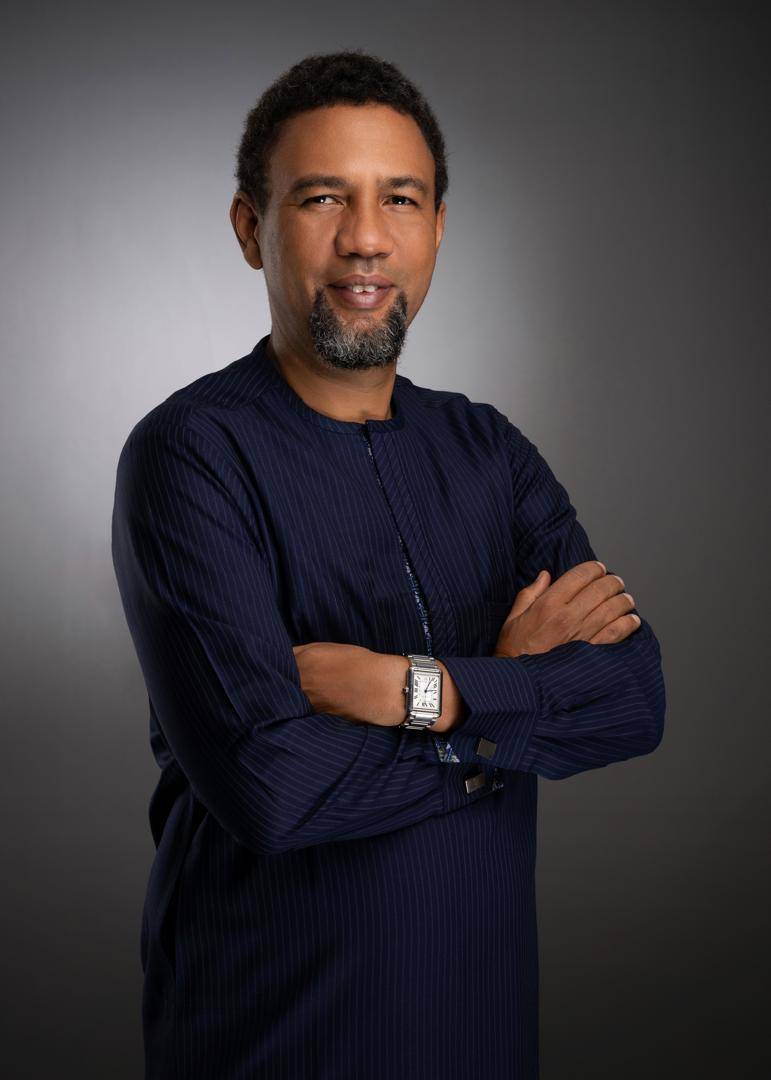
LAGOS - The fluorescent lights of the studio hummed in the background as Joey Akan and Layi Wasabi settled into the seats of The Joey Akan Experience, a conversation that felt less like an interview and more like a forensic analysis of the modern African creator economy. At the center of the dialogue was Wasabi, a man whose digital rise has been nothing short of meteorological. Known for his uncanny ability to inhabit the persona of the weary, litigation-obsessed, and morally flexible Nigerian professional, Wasabi has become the face of a new generation of comedians who prioritize sharp social observation over slapstick tropes. As the two men peeled back the layers of Wasabi’s meteoric ascent, a larger story emerged—one about the shifting landscape of Nigerian entertainment, where the traditional gates to stardom have been dismantled and replaced by the raw, democratized power of the smartphone screen.
Wasabi’s journey is one of the most compelling testimonies in the contemporary creative scene. Raised in the rigid, rule-bound world of legal education, he initially viewed the pursuit of a law degree as the apex of personal and familial success. Yet, it was within the hallowed halls of law school that the seeds of his comedic genius were sown. Wasabi revealed that his time spent navigating the dense, jargon-heavy world of Nigerian jurisprudence did not distract him from comedy; rather, it refined it. The legal profession provided him with a template for his characters—the specific cadences of a lawyer, the performative arrogance of a government official, and the frantic, improvisational energy of a man trying to talk his way out of a fine. He approached his early skits with the analytical rigor of a law student, deconstructing human behavior with a level of detail that turned his characters from mere archetypes into living, breathing cultural memes.
The craft, Wasabi explained, is rooted in the lost art of people-watching. In a digital age where many creators rush to replicate the trends of the moment, he prefers the slow, deliberate process of observing the idiosyncrasies of daily life in Nigeria. He spoke of the "character-driven" skit not as a static format, but as an ongoing experiment in psychological mimicry. By observing the way a man stands at a police checkpoint or the specific way a corrupt clerk adjusts his spectacles, Wasabi captures the "truth" of the Nigerian experience. It is this intellectual dedication to authenticity that has allowed him to transcend the ephemeral nature of social media fame. When he steps into the skin of his characters, he is not just telling a joke; he is holding up a mirror to the societal absurdities that define life in the country’s most bustling urban hubs.
Related article - Uphorial Shopify

However, the conversation took a more serious turn when Akan pushed Wasabi to address the precarious infrastructure of the skit-making industry. Unlike the music industry, which has developed robust frameworks for intellectual property, royalties, and collective bargaining, the digital comedy world remains a rugged, individualistic frontier. Wasabi candidly discussed the "hustle"—the exhausting cycle of producing content at a breakneck speed just to stay relevant in an algorithm-driven economy. He noted that the skit-making game is built on a foundation of precarious virality, where a creator is only as good as their last post. While the individual successes are significant, there is a glaring lack of formal structure, leaving many talented creators without the institutional safety nets that their musician counterparts have begun to secure.
Looking toward the horizon, both Akan and Wasabi explored the untapped potential of the creator economy. Wasabi envisions a future where comedy evolves beyond the solitary creator model, potentially toward "comedy labels" or management collectives that allow for shared resources, better negotiation power, and the development of long-form intellectual property. The untapped market for merchandise and brand integration, Wasabi argued, is the next frontier for his peers. He believes that the era of the "lone wolf" content creator is slowly coming to an end, and that the future belongs to those who can build sustainable, collaborative ecosystems that outlast the temporary life of a viral clip. For Wasabi, success isn't just about getting the most likes; it’s about turning those interactions into a legacy.

As the interview neared its conclusion, the tone shifted toward the philosophical responsibility of the modern creator. Wasabi, who has reached a level of fame that makes his voice a powerful instrument of influence, reflected on the tension between artistic expression and audience expectation. In a society that is rapidly modernizing and grappling with profound political and social questions, creators are increasingly looked upon to lead the conversation. Wasabi debated the ethics of this expectation, questioning whether a comedian has a mandate to be a social activist. He argued that while personal expression is the bedrock of his work, the growth of his audience brings a subtle, inevitable weight of representation. Navigating that balance—being funny enough to entertain, yet sharp enough to remain relevant to a youth population demanding social change—is the central challenge of his career.
By the time the podcast wrapped, the portrait that emerged was not just that of a man who makes millions laugh, but of an entrepreneur who is actively trying to decode the future of Nigerian culture. Layi Wasabi represents the vanguard of a movement that is successfully taking the raw energy of the street and giving it a high-definition, intellectual, and incredibly funny polish. His journey from the classroom to the top of the social media charts is more than just a success story; it is a blueprint for a new generation of creators who understand that in the modern economy, humor is not just a diversion—it is a sophisticated, highly strategic business. The podcast episode served as a reminder that behind the laughter and the exaggerated facial expressions, there is a sharp mind, a keen observer of history, and a creator who is just beginning to realize the scope of his own influence on the global stage.