There is a palpable, thrumming energy that defines the streets of Lagos—a relentless, creative heartbeat that pulses through recording studios, street corners, and makeshift rehearsal spaces, giving birth to a sonic wave that has captured the imagination of the entire planet. Afrobeats is no longer merely a regional sensation or an exotic export; it is a global cultural tectonic plate shifting the very axis of modern pop music. Yet, for years, the staggering global ascent of this sound existed in a curious state of political and institutional isolation. While independent artists, visionary producers, and homegrown label executives poured their souls into building a multi-billion-dollar empire out of sheer grit and unyielding passion, the halls of government power often remained distant, watching from the sidelines of a revolution they scarcely understood.
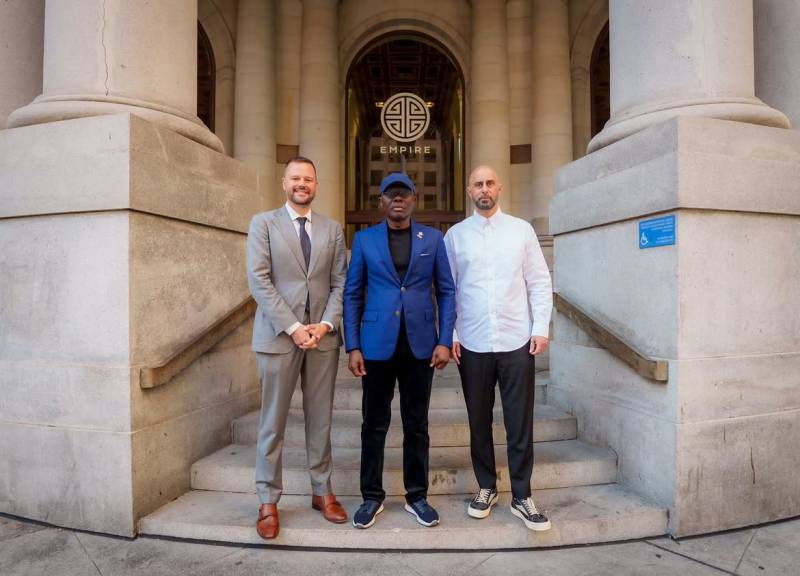
A watershed moment arrived when Lagos State Governor Babajide Sanwo-Olu stepped through the glass doors of the San Francisco headquarters of global music and distribution powerhouse EMPIRE. Sitting down across from EMPIRE founder and CEO Ghazi Shami, the governor did not arrive merely as a politician seeking a photo opportunity; he came as a state executive acknowledging an undeniable economic and cultural reality. This high-profile meeting at the epicenter of Silicon Valley’s tech and entertainment nexus marked a profound intersection between public governance and creative industry expansion, signaling to the world that the explosive global rise of Afrobeats has transcended the realm of mere entertainment to become a foundational pillar of modern economic development.

Related article - Uphorial Shopify

To understand the emotional weight of this visit is to recognize the long, often lonely road traveled by the architects of the African sound. For generations, the creative community in Lagos operated in a vacuum of formal state support, carving out international pathways against staggering infrastructural odds, inconsistent power grids, and a lack of institutional financing. When a sitting governor travels halfway across the world to parley with the titans of global music distribution, it acts as a powerful validation of the city's status as the undisputed beating heart of African pop culture. It is an act of transformational framing that redefines the relationship between the state and its most vibrant export, shifting the paradigm from passive administrative observation to active, strategic partnership.

The dialogue between Governor Sanwo-Olu and Ghazi Shami was anchored in intelligent curation of the future. Discussions moved beyond celebratory rhetoric to tackle the hard, unglamorous mechanics of sustainable growth: reinforcing institutional commitments to local creators, building physical and digital infrastructure that can withstand global scale, and safeguarding artists' intellectual property rights on the international stage. As international distribution networks and localized platforms converge with forward-thinking public policy, the architecture supporting African music is undergoing a massive evolutionary leap. The goal of these strategic alliances is clear and unwavering: ensuring that the immense wealth, global recognition, and structural power generated by the continent's sound do not dissipate overseas, but remain permanently anchored to the soil from which they grew.As this new chapter of institutional collaboration unfolds, the implications stretch far beyond the borders of Nigeria. It serves as a masterclass in cultural understanding and strategic storytelling, proving that when public leadership aligns with the genius of independent creators, the possibilities are limitless. The journey from the bustling streets of Lagos to the executive suites of Silicon Valley is a testament to the fact that Afrobeats is here to stay, not just as a fleeting musical trend, but as a permanent, sovereign global institution built by the relentless vision of a people who refused to wait for permission to conquer the world.