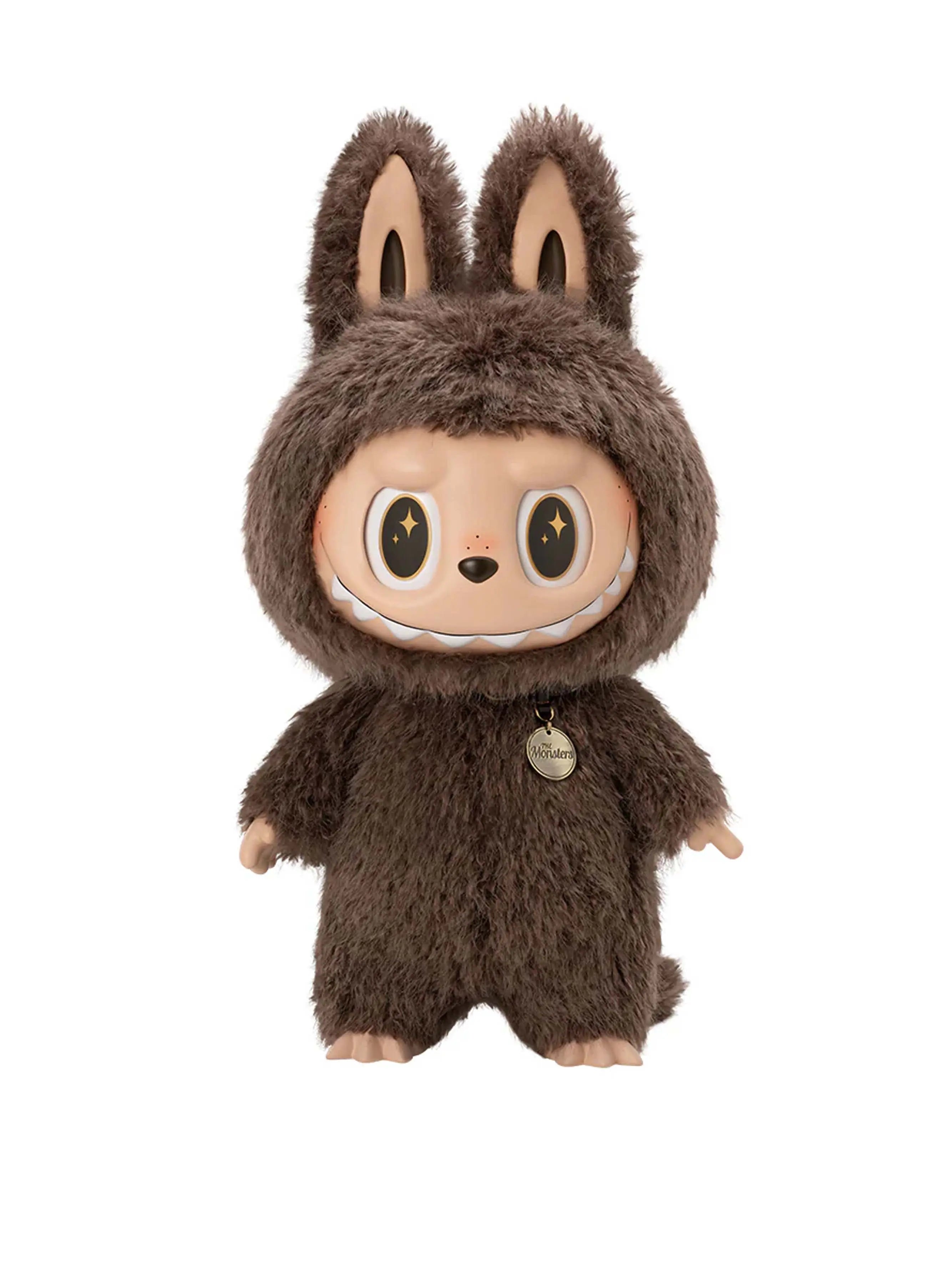
In the bustling streets of Beijing, a plush toy with a mischievous grin has become the face of a global phenomenon. Labubu, the quirky character from Pop Mart's "The Monsters" series, has transcended its origins to become a symbol of modern consumer culture. But behind its success lies a tale of strategic brilliance, cultural resonance, and the power of storytelling.
Labubu's journey began in 2015, crafted by Hong Kong illustrator Kasing Lung. Drawing inspiration from Nordic folklore, Lung envisioned a world of whimsical monsters, with Labubu at its heart. However, it wasn't until 2019, when Pop Mart partnered with Lung, that Labubu's potential was fully realized. The collaboration introduced the "blind box" concept—sealed packaging that concealed which character was inside—creating an element of surprise and rarity that captivated collectors worldwide.
Related article - Uphorial Podcast
Fast forward to 2025, and Labubu has become more than just a toy. In the first half of the year, Pop Mart reported a staggering 4.81 billion RMB ($670 million) in revenue from "The Monsters" series alone, accounting for nearly 35% of the company's total revenue. This surge in sales has propelled Pop Mart's market value to over $46 billion, surpassing industry giants like Mattel and Sanrio. The success of Labubu can be attributed to several factors. Firstly, the "blind box" model taps into the human love for surprises and collecting. As Dr. Tianxin Zou from the University of Florida notes, it's akin to purchasing a lottery ticket—the uncertainty adds an extra layer of enjoyment. Secondly, Labubu's design strikes a balance between cuteness and edginess, making it appealing to both children and adults. Its wide eyes, sharp teeth, and scruffy appearance resonate with Gen-Z consumers seeking authenticity and individuality.
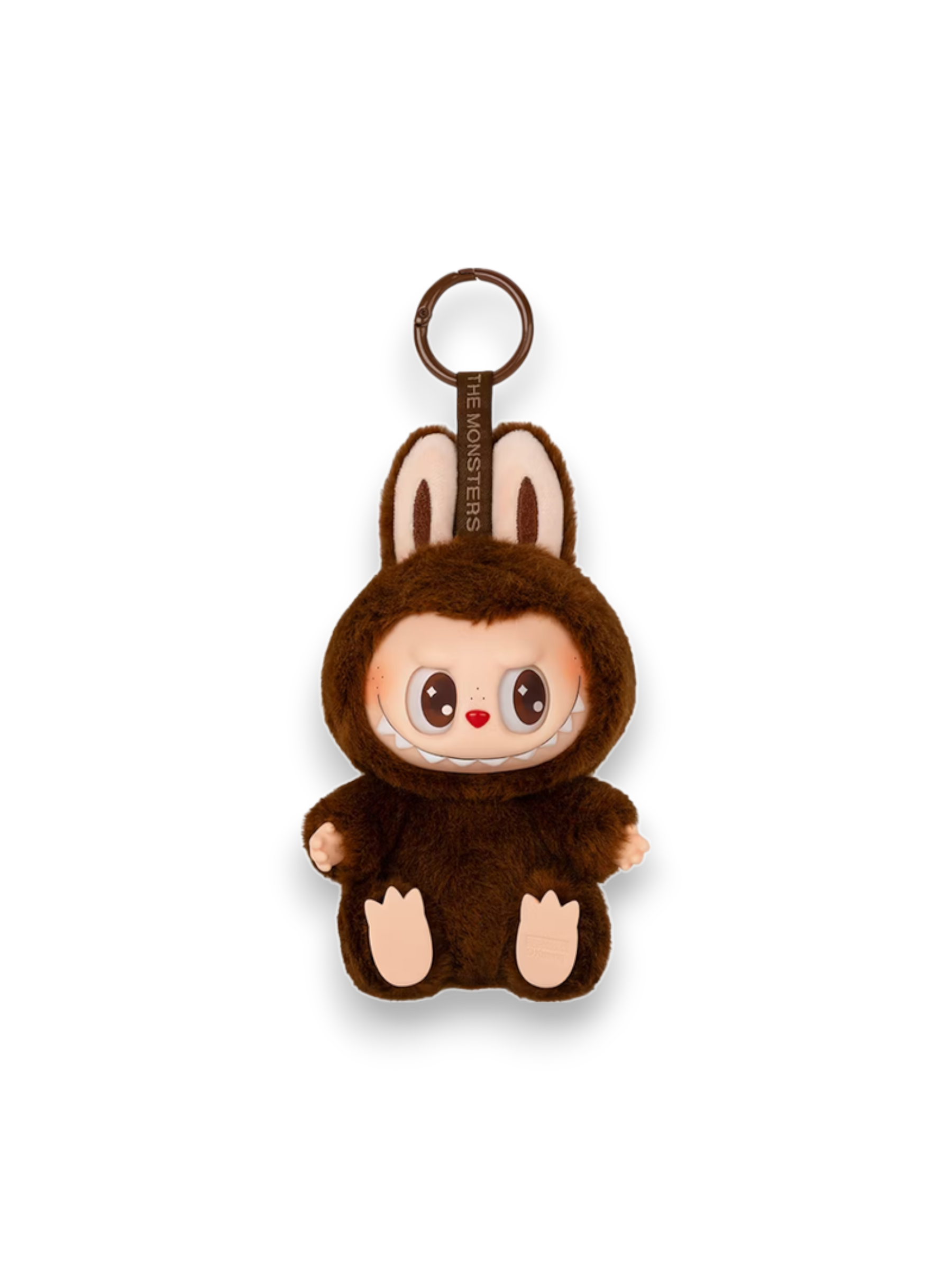
Moreover, Labubu's cultural impact cannot be overstated. Celebrities like Rihanna and Lady Gaga have been spotted with Labubu keychains, turning the toy into a fashion statement. In Thailand, Labubu has been transformed into Buddhist amulets, believed to bring wealth and good fortune. This cultural integration has further cemented Labubu's status as a global icon. However, with success comes challenges. The immense popularity of Labubu has led to a surge in counterfeit products, known as "Lafufus." These knockoffs pose serious safety risks, with authorities in the U.S. and U.K. warning parents about potential choking hazards. Pop Mart has taken legal action to combat these fakes, including a lawsuit against 7-Eleven in California for selling counterfeit toys.
Looking ahead, Pop Mart is poised to expand Labubu's reach even further. Plans are underway to launch mini Labubu phone charms, tapping into the mobile accessory market. Additionally, the company envisions a Disney-esque empire, with Labubu starring in animated films and theme park attractions. In conclusion, Labubu's ascent from a humble plush toy to a billion-dollar brand is a testament to the power of innovation, storytelling, and cultural resonance. As it continues to evolve, Labubu serves as a blueprint for how brands can create lasting emotional connections with consumers in the modern age.