FROST BANK CENTER – In the digital coliseum of the 2026 NBA Finals, where the boundaries between athletic potential and virtual reality blur, the opening contest between the San Antonio Spurs and the New York Knicks served as a searing preview of the modern basketball aesthetic. The simulation, rendered with the uncanny precision of the latest generation of sports technology, captured a series of narratives that mirror the genuine tactical shifts currently defining the league. This was not merely a game of points and possessions; it was a physical, high-stakes collision between two franchises that have spent the last several seasons meticulously building toward this exact moment of confrontation.
The Spurs, anchored by the singular, generational talent of Victor Wembanyama, entered the court with a blueprint that felt both inevitable and revolutionary. Wembanyama’s performance throughout Game 1 was a testament to the transformational framing of the modern "big man." No longer confined to the traditional constraints of the paint, he operated as a sprawling, multifaceted offensive engine. His ability to punish the Knicks both inside the restricted area and from beyond the three-point line forced New York into a series of defensive compromises that they never quite managed to solve. Reaching 31 points, his efficiency was punctuated by high-leverage moments—a deep, confident three-pointer and a late-game bank shot that served as the final exclamation point on his offensive dominance. Alongside him, Devin Vassell provided the necessary secondary scoring punch, acting as the surgical instrument that exploited the gaps in the Knicks' perimeter defense.
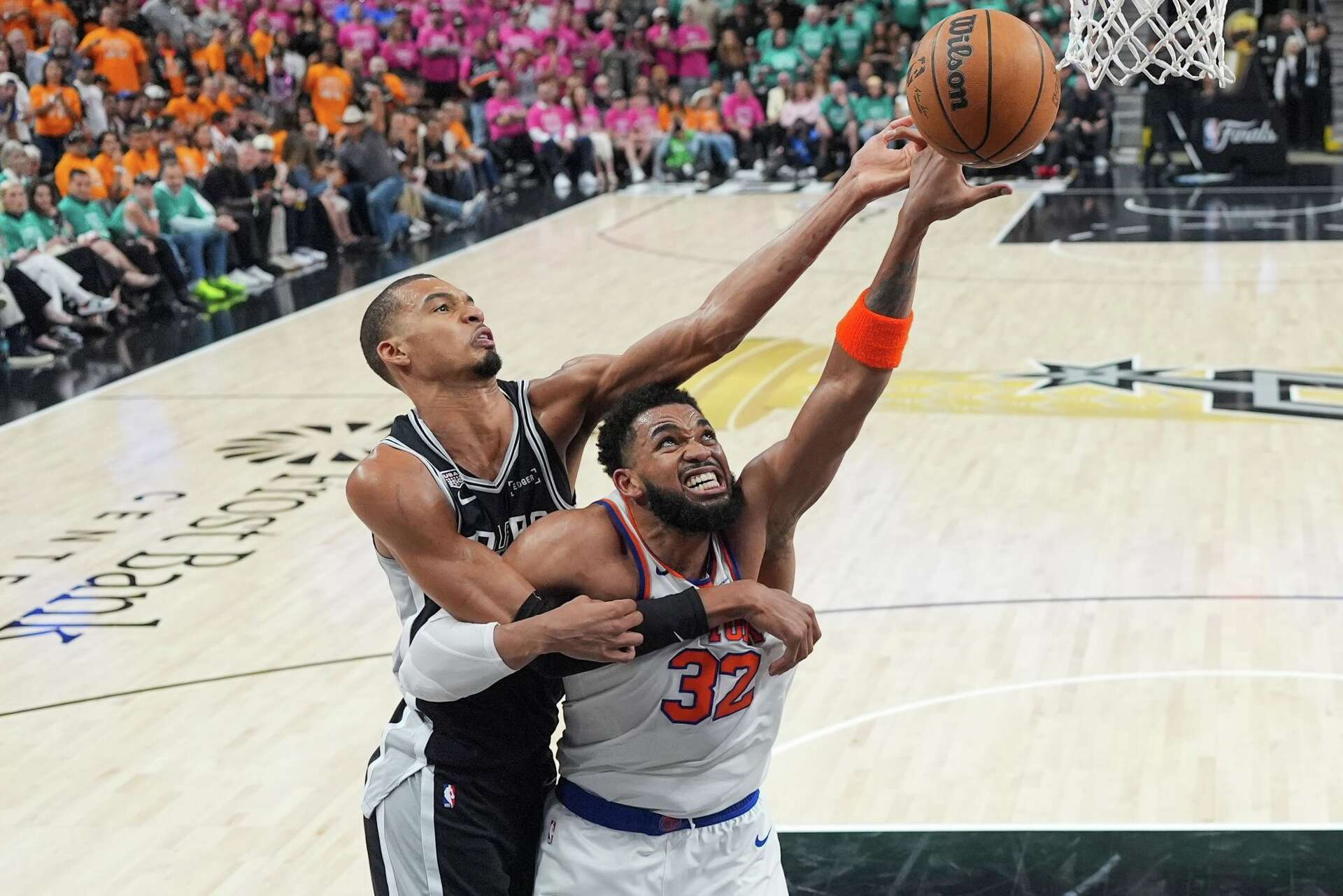
The Knicks, conversely, leaned into the identity that has made them one of the most formidable and physically demanding teams in the Eastern Conference. Karl-Anthony Towns anchored their effort with a display of pure, interior resolve. Finishing with 23 points, Towns utilized his size not just as a scoring weapon, but as a gravitational force, drawing crucial fouls and dominating the glass in a style that stood in stark contrast to the Spurs' fluid, space-oriented attack. Jalen Brunson served as the essential counterpoint, using his trademark quickness to weave through the Spurs' defenses, creating scoring opportunities in tight spaces where less patient guards would have faltered. The Knicks’ approach was defined by a commitment to the grind, a refusal to be intimidated by the length and mobility of the San Antonio defense.
Related article - Uphorial Shopify
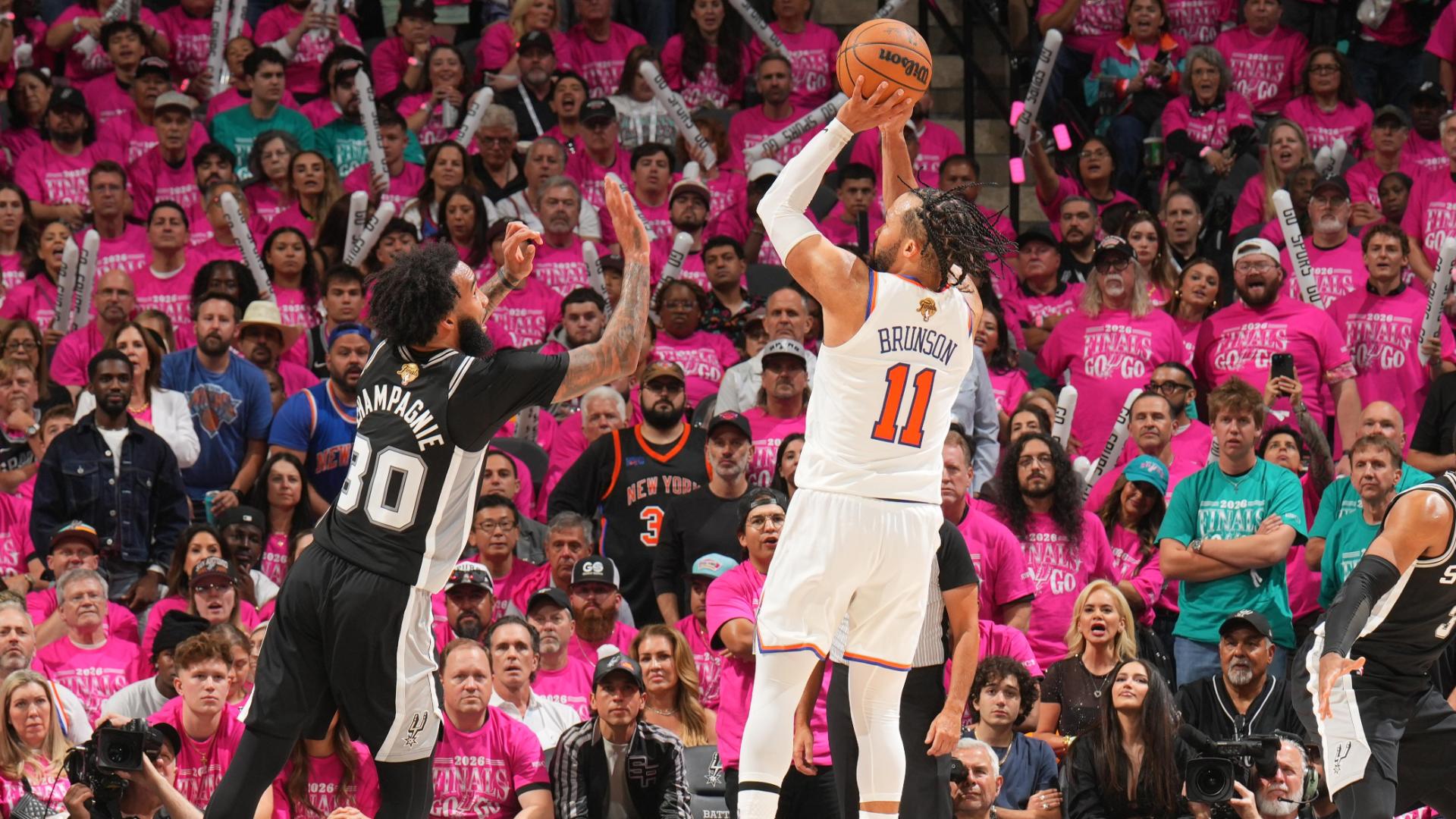
What made the game compelling was the shared defensive intensity that defined the final quarter. As the clock wound down, the level of physical play escalated, turning each possession into a grueling battle of wills. The paint became a no-fly zone, marked by authoritative, rhythm-breaking blocks from both Wembanyama and Towns. These were not just defensive highlights; they were psychological statements, designed to disrupt the flow of the opposing offense and force them to operate in the most uncomfortable, low-percentage areas of the floor. In this phase of the game, the simulation captured the essential cultural understanding that a championship is won as much by the shots you deny as the shots you make. The defensive pressure was unrelenting, a testament to the high stakes of a Finals series where every inch of space is fought for with a desperation that can be felt through the screen.

As the contest bled into the final minutes, the Spurs managed to consolidate their momentum, eventually pulling away to secure a 12-point victory. While the score suggests a comfortable margin, the reality of the game—the back-and-forth shifts in momentum, the tactical adjustments, and the sustained intensity—told a different story. It was a game of margins, where the Spurs' ability to convert on high-difficulty shots and maintain defensive discipline during the most stressful phases of the final quarter proved to be the difference-maker. This virtual clash, rendered with striking emotional precision, serves as a piece of strategic storytelling for the fans. It highlights the specific archetypes of the modern NBA: the transcendent, multi-positional star, the rugged interior presence, and the hyper-efficient perimeter guard. For the casual viewer, it was a display of high-octane basketball; for the student of the game, it was a data-rich exploration of two contrasting philosophies. The Spurs’ reliance on space and versatility vs. the Knicks’ insistence on physical dominance and interior grit sets the stage for a series that promises to be as mentally taxing as it is physically punishing.
The 12-point cushion with which San Antonio ended the contest is a volatile foundation. In a Finals series, a single game is rarely a definitive indicator of the ultimate victor; it is merely the opening chapter of a much longer, more grueling psychological war. As both teams retreat to their film rooms to analyze the sequences of Game 1, the questions for Game 2 will be clear: Can the Knicks find a way to neutralize Wembanyama without compromising their rim protection, and can the Spurs maintain this level of offensive fluidity against a New York defense that is guaranteed to tighten its rotation in response to the opening loss? This simulation serves as an intelligent curation of the narratives that have dominated the 2026 season. It acknowledges the evolution of the game while celebrating the perennial, unchanging nature of the Finals—the pressure, the individual legacies at stake, and the capacity for a single performance to alter the historical trajectory of an organization. As we look ahead to the remainder of the series, the images of Wembanyama’s bank shot and Towns’s persistent battle on the boards serve as the opening notes of a story that is currently being written. Whatever the final outcome, this first encounter has effectively raised the stakes, demanding that both squads reach into the absolute deepest reserves of their tactical and physical capabilities if they hope to hoist the trophy at the end of the journey. The virtual stage has been set, and the reality of the championship race, though simulations may fade, is now firmly, and irreversibly, in focus.