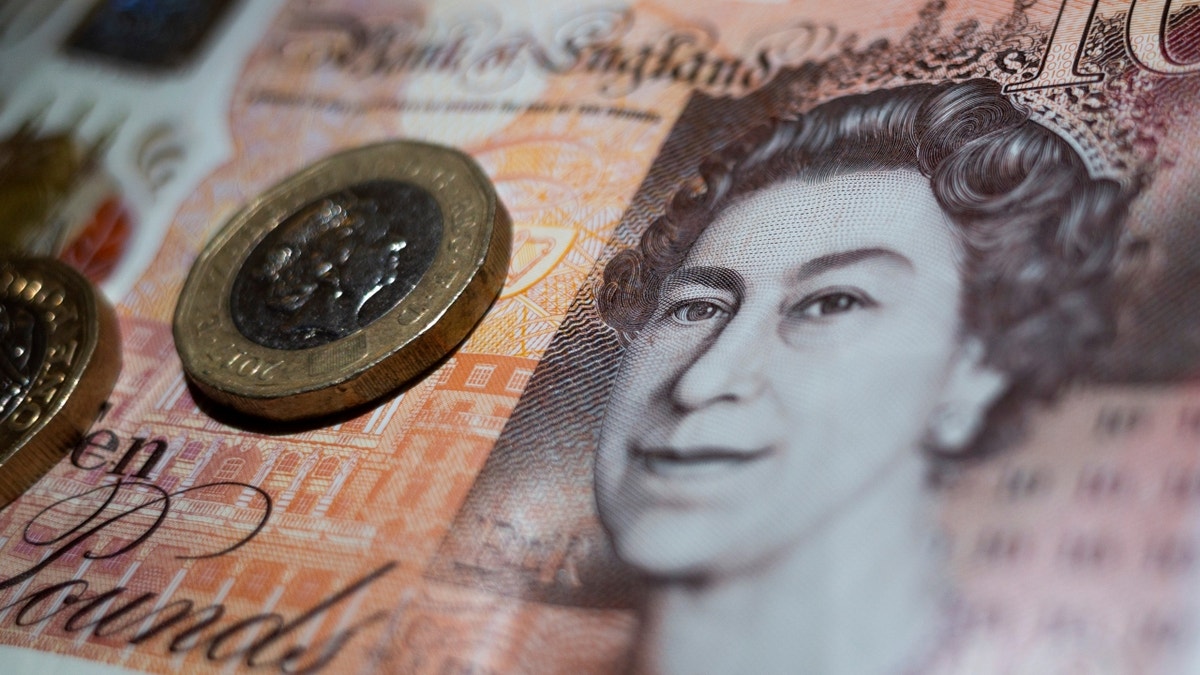
The click of a coin landing on a shop counter is a small sound with a very large story inside it. This week, the Royal Mint dispatched more than 30 million one-pound coins into UK circulation, a release that pairs 23.29 million of the last-ever Queen Elizabeth II £1s with 7.565 million new King Charles III £1s. For collectors, shopkeepers, and anyone who keeps a jar of change, that jingle is both an ending and a beginning: the physical handover of an era.
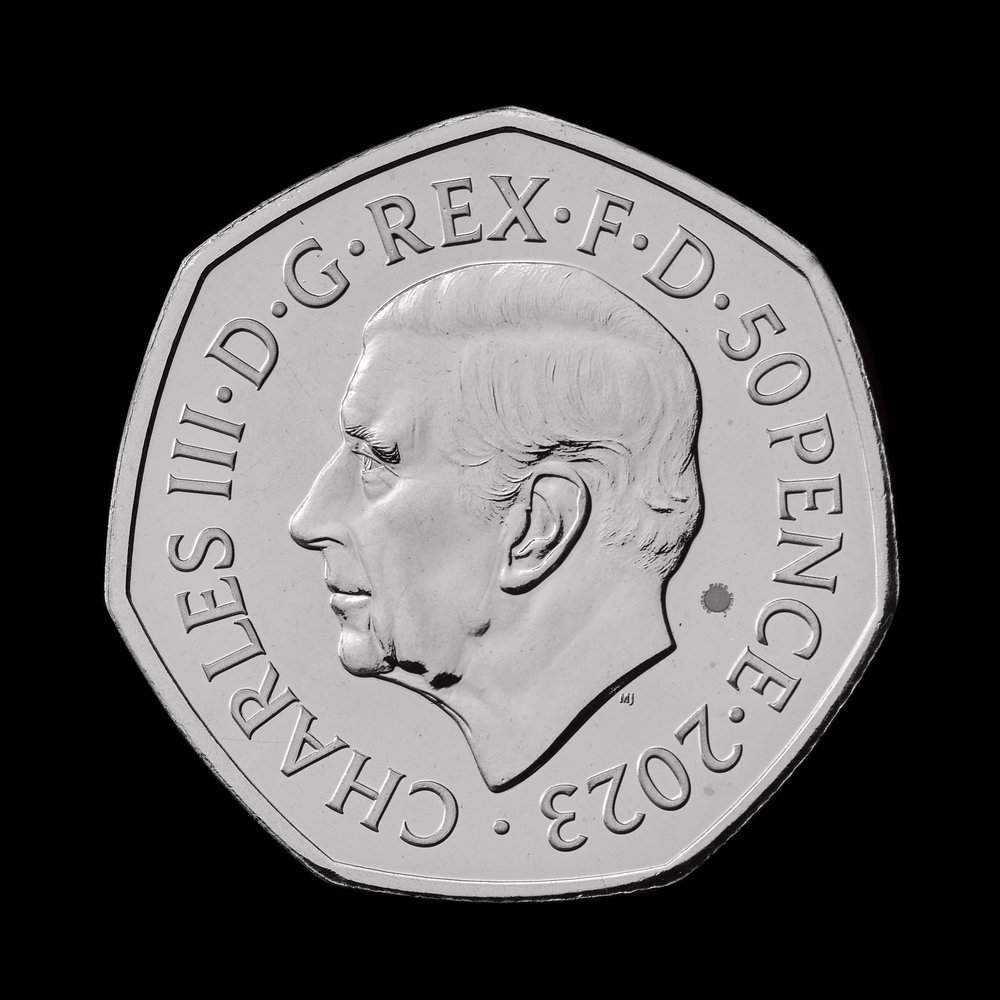
There’s a neatness to how the Royal Household and the Mint have staged this transition. The Queen’s final batch — dated 2022 and described by the Royal Mint as the rarest £1s now in active circulation- will sit beside new coins bearing Charles’s effigy with a bee-themed reverse drawn from the flora and fauna of the British Isles. The bee, an emblem of industry and community, is an apt symbol for a monarch who has long made conservation and nature stewardship central themes of his public life. The dual release was called “pivotal” by Royal Mint officials precisely because it is a tactile, everyday reminder that the nation’s symbols have shifted hands.
Related article - Uphorial Podcast
To understand why coins carry meaning beyond face value, look at the man who now appears on them. King Charles III’s stewardship before accession, from championing environmental causes to designing gardens and advocating for small-scale farming, shapes the motifs chosen for the new definitive collection. Coins are silent storytellers: the portrait frames a sovereign’s likeness, the reverse design encodes priorities and values, and the mass distribution makes those messages part of public life. In short, a coin is statecraft in metal.
But transitions like this aren’t only symbolic; they’re practical and sometimes surprising. The Royal Mint has carefully calibrated mintage numbers: millions of Queen Elizabeth II coins released now may become sought-after anomalies in years to come, while certain 2025-dated issues among the King’s coins will be watched for scarcity. Collectors and casual users alike are already speculating about which pieces will gain value and what will become “rare” simply because production stopped. For everyday consumers, the effect is immediate and ordinary, new coins in tills, change returned at the post office — yet the emotional undercurrent is strong for many who remember the late Queen’s long reign.
This episode also pins into a broader historical rhythm. Every succession requires the reworking of seals, stamps, flags, and coinage, items that anchor sovereignty to daily life. Recent months have seen other formal changes: the commissioning of King Charles’s new Great Seal, for instance, signalled the final administrative steps of the handover from Elizabeth II to Charles and underlined how both ceremony and bureaucracy interweave at moments of constitutional change. Coins are the most democratic of those objects; they travel across class and geography and, in doing so, silently reaffirm continuity even as they mark change. If you want to see the moment explained by the people who make the coins, The Royal Mint has a short video that walks through the designs and what they mean, a useful visual companion to the story of the transfer from one reign to the next. These circulating coins will eventually sit in museum cabinets, collection albums, and perhaps the pockets of grandchildren who one day ask why the back of a coin shows a bee. For now, the clink of new King Charles £1s passing from hand to hand is the plain, human sound of history moving through ordinary life — small, metallic, and unmistakably momentous.