In the quiet corners of Southern California, tucked away from the relentless bustle of modern air travel, exists a sanctuary dedicated to a ghost. It is housed within the unlikely, metallic embrace of a retired Boeing 767 fuselage—a vessel that once spanned continents now serving as the cradle for a singular, obsessive labor of love. Here, two aviation enthusiasts have performed a feat of historical preservation that borders on the miraculous: the resurrection of Hong Kong’s Kai Tak Airport as it stood in the twilight of its existence, captured forever in a meticulously detailed 1:400 scale.
To walk into this space is to step back into the heat and humidity of July 1998, just moments before the iconic runway was surrendered to history. Kai Tak was never just an airport; it was a phenomenon, a perilous, white-knuckle gateway carved into the dense, vertical landscape of Kowloon. For the two creators behind this diorama, the project was not simply about building a model; it was about an act of cultural reclamation. They have recreated not just the physical geometry of the tarmac, but the very soul of an airport that defined an era of aviation daring.
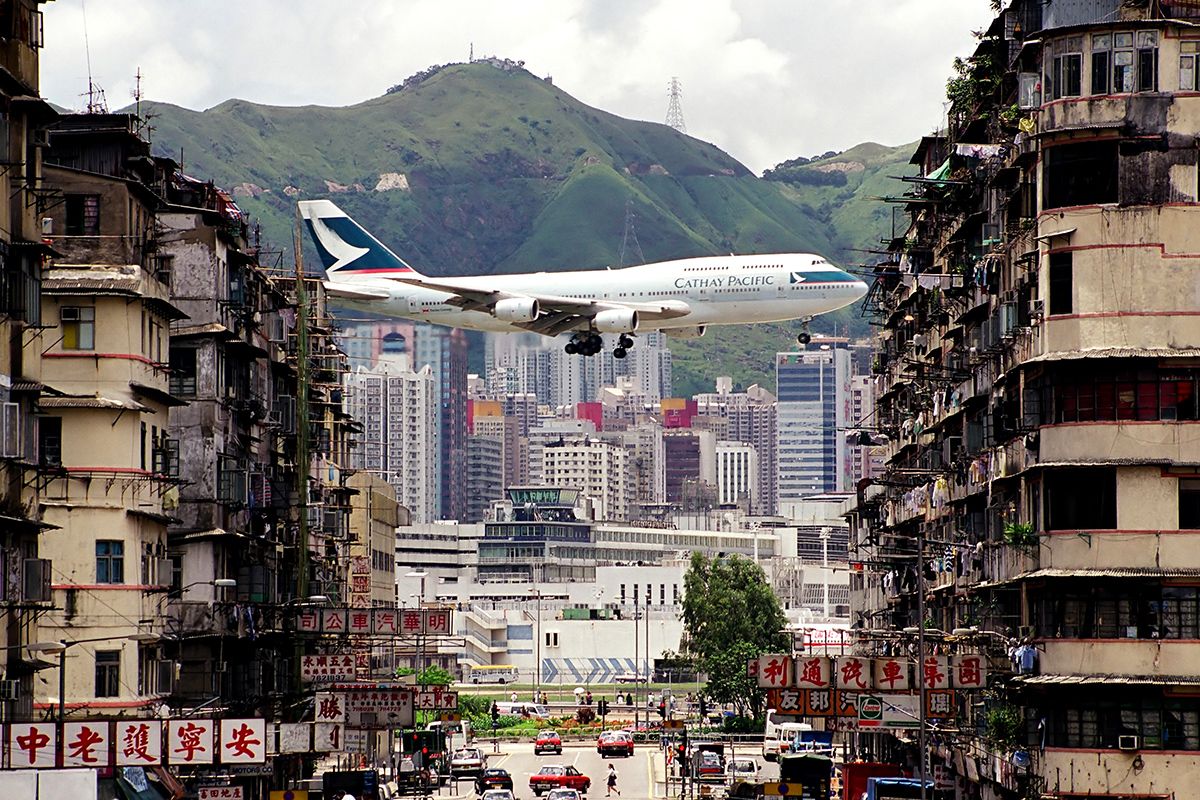
The brilliance of the display lies in its refusal to be static. Unlike traditional museum exhibits that freeze history behind glass, this recreation is a living, breathing machine. Through a complex, custom-built system of motors and concealed conveyor belts, miniature aircraft perform the legendary maneuvers that made Kai Tak famous. Visitors can watch as tiny 747s execute that infamous, nerve-shredding approach, banking sharply over the dense residential sprawl of Kowloon toward the celebrated Checkerboard Hill, before settling onto the runway with the same mechanical grace as their full-sized predecessors. It is an immersive performance, a mechanical ballet that captures the kinetic energy of an airport that never truly slept.
Related article - Uphorial Shopify

The level of research poured into this endeavor is staggering. Every element of the ground operation has been curated with an archivist’s precision. From the distinct, signature yellow ground equipment that became a hallmark of the Kai Tak aesthetic, to the complex network of lighting systems that guided pilots through the city’s concrete canyons, the attention to detail is absolute. The model features hundreds of handcrafted aircraft, each placed with the tactical awareness of a traffic controller at the height of the morning rush. The inclusion of bustling hangar scenes, intricate airbridges that span the cross-field layout, and a cargo section that hums with the phantom echoes of high-volume trade reveals a deep, visceral understanding of what made Kai Tak the beating heart of Asian logistics.The creators have gone to extraordinary lengths to ensure the longevity of their homage, even installing an automated glass dust-cover system to shield the diorama from the entropy of time. This is a workspace that commands reverence; it is a place where history is not just remembered, but actively maintained. When the lights in the hangar are dimmed to simulate the atmospheric, neon-soaked dusk of the airport’s final days, the effect is haunting. The meticulously programmed lighting simulates the transition from the frantic activity of a daytime hub to the amber glow of a final, permanent sunset, capturing the bittersweet melancholy of an icon nearing its end.
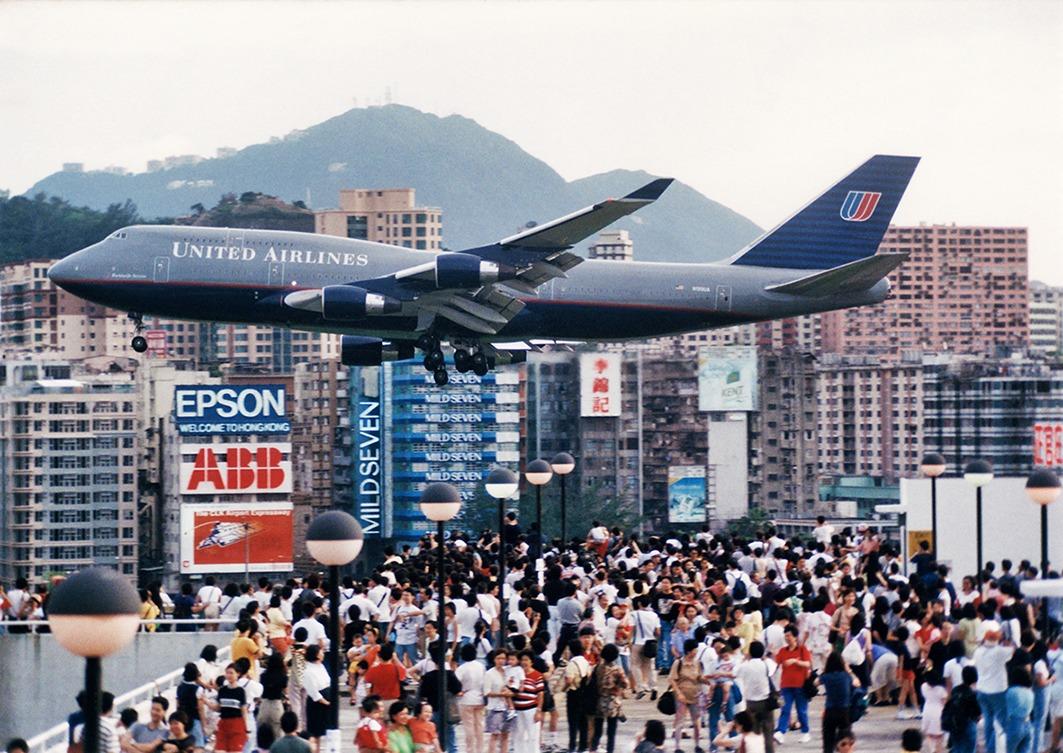
The project serves as a profound reminder of the ephemeral nature of infrastructure. Kai Tak was a triumph of human ingenuity and sheer audacity—a place where the gap between man, machine, and city was reduced to mere feet. By recreating it, these enthusiasts are doing more than honoring a retired airport; they are preserving a collective memory of a time when the act of flight felt like a monumental event. In the confines of a retired Boeing 767, the spirit of Kai Tak continues to taxi, take off, and land. It is a testament to the idea that no airport truly dies as long as there are those who remember the precise angle of its approach, the hum of its ground equipment, and the unique, terrifying beauty of its final, legendary descent.
As the world continues to move toward more automated, sanitized, and remote aviation hubs, this diorama stands as a defiant monument to a time when airports were the center of the urban experience. It invites the visitor to lean in close, to watch the motors hum and the lights flicker, and to briefly believe that if they listen hard enough, they might still hear the distant, familiar roar of engines over the rooftops of Kowloon. It is a masterful fusion of engineering, history, and nostalgia, ensuring that the legend of Kai Tak is not lost to the fog of time, but remains permanently charted in the miniature, golden skies of Southern California.