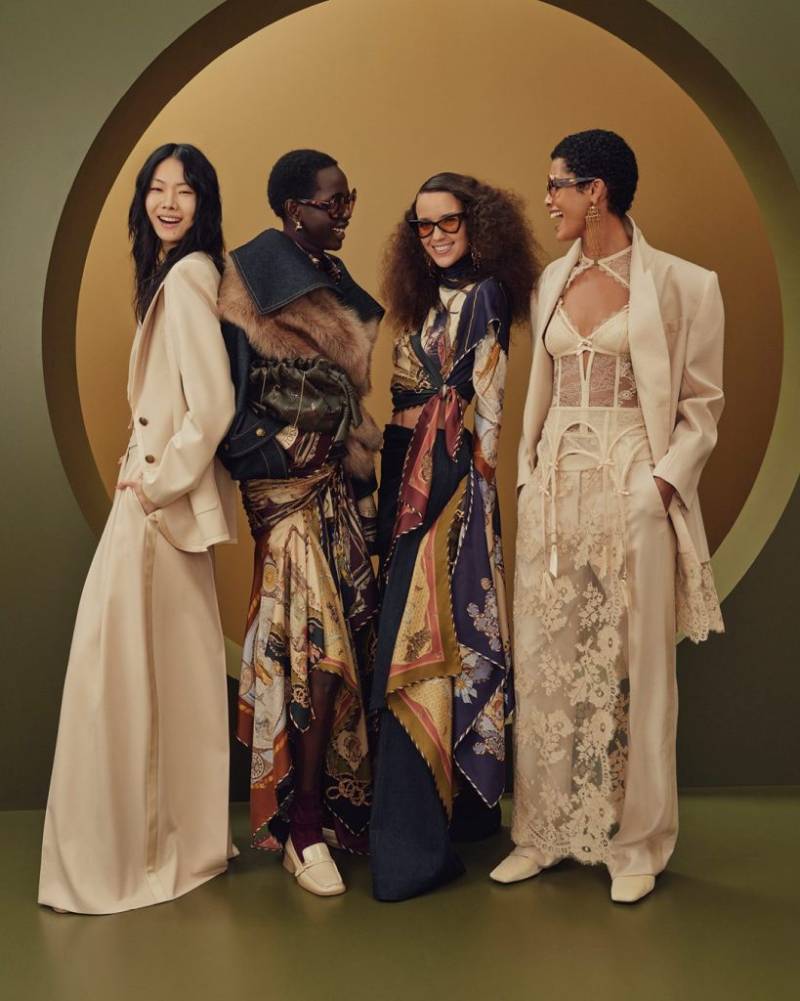
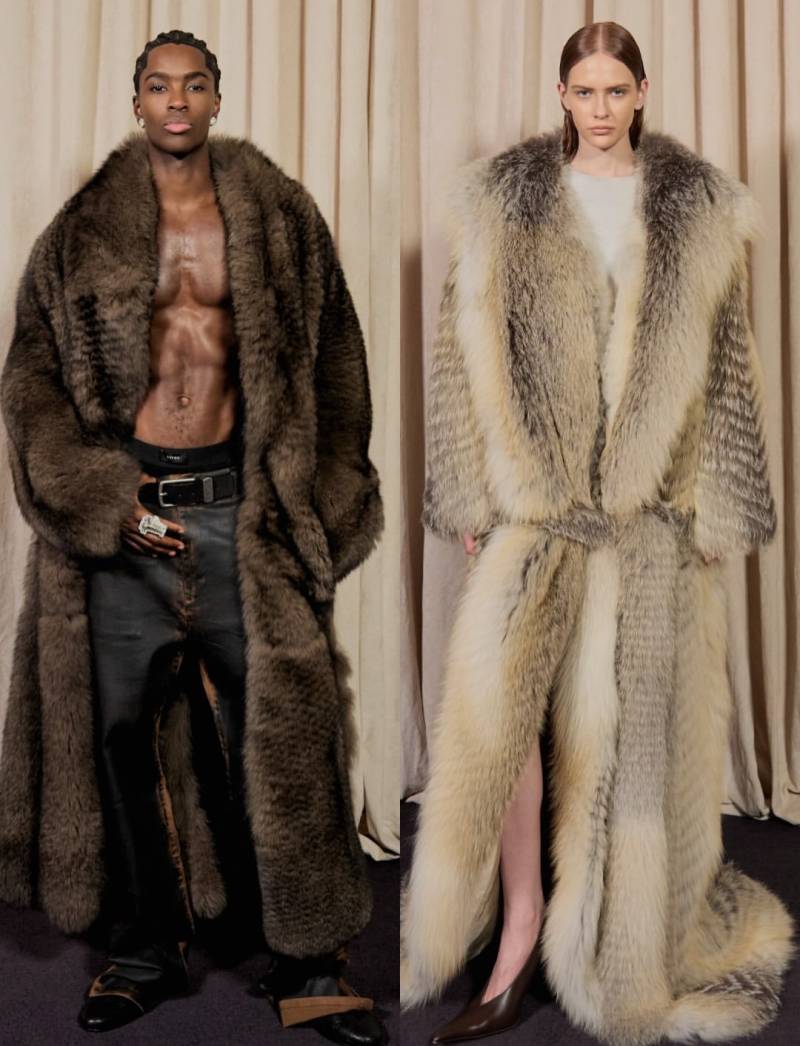
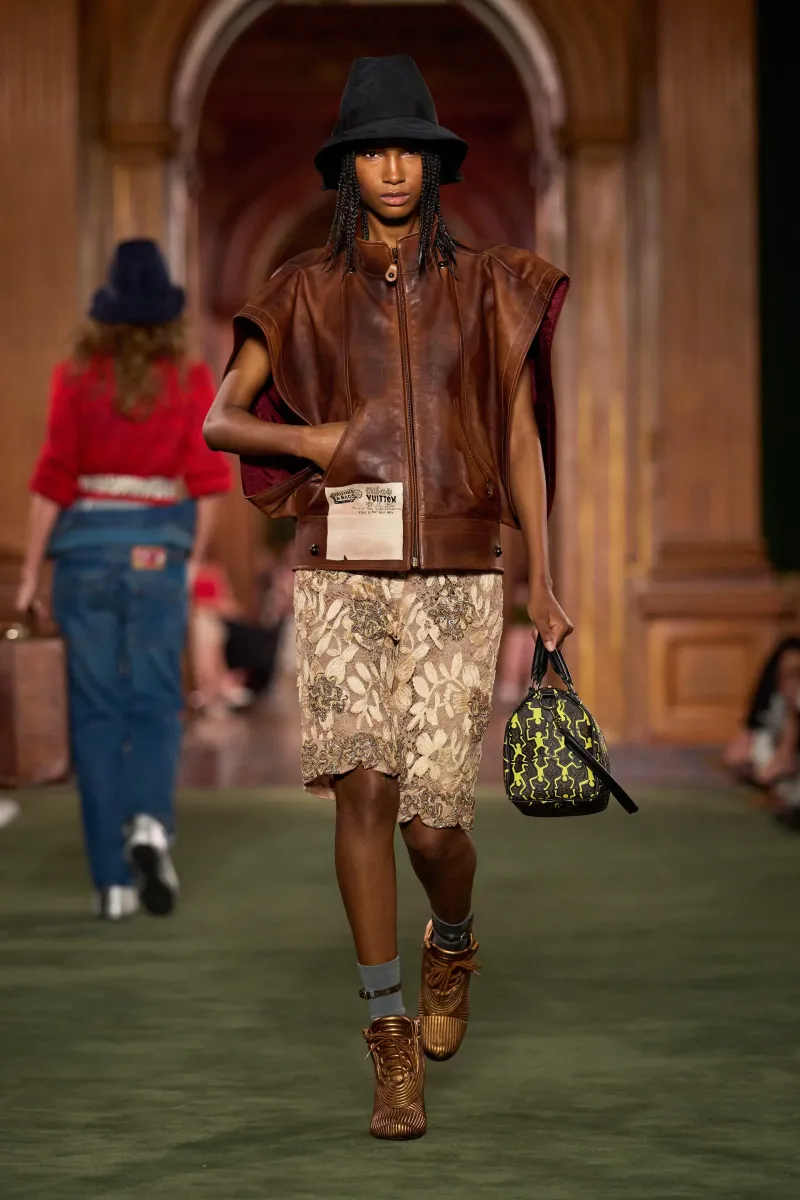
The runway presentation of Junya Watanabe’s Fall/Winter 2026 collection, The Art of Assemblage Couture, arrived as a profound disruption to the predictable rhythm of the seasonal fashion calendar. In a world increasingly saturated by digitized perfection and predictable, algorithm-driven aesthetic trends, Watanabe offered a bracing, visceral return to the fundamentals of creation. The show functioned not as a traditional display of ready-to-wear, but as an experiential manifesto rooted in pure, unadulterated creative instinct. By prioritizing the direct, unmediated presentation of raw materials over the familiar, restrictive constraints of conventional dressmaking techniques, Watanabe successfully reframed the garment as a social artifact—a physical manifestation of the chaotic, shifting environment that surrounds us.
The collection’s structural integrity was forged through a radical commitment to the philosophy of assemblage. Rather than molding fabric to fit a pre-existing silhouette, the garments appeared to have been constructed through an additive, improvisational process, where the inherent properties of the textiles dictated the final form. This approach imbued the collection with an urgent, kinetic energy, as if the pieces themselves were still in the process of becoming. The raw, jagged edges and non-traditional layering signaled a deliberate rejection of standard couture refinement, choosing instead to celebrate the beauty of the unfinished, the collision of disparate textures, and the raw power of material dialogue.

Junya Watanabe Fall Winter 2026

Related article - Uphorial Shopify

The immersive power of the show was amplified by a meticulously curated aesthetic environment that bridged the gap between high-concept art and human performance. Eugene Souleiman’s hair styling and Isamaya Ffrench’s make-up artistry worked in perfect concert to ground the conceptual silhouettes in a sharp, modern reality, while Pat Boguslawski’s movement direction ensured that the models navigated the runway with an intentionality that mirrored the collection’s volatile spirit. The movement was not merely decorative; it was performative, transforming each step into a statement of agency and physical defiance. This synthesis of disciplines created a cohesive, atmospheric weight that elevated the clothes from mere objects into the focus of a unified, singular vision.

The emotional resonance of the show was perhaps most effectively captured by the haunting, rhythmic tension of the musical score. By integrating the compositions of Astor Piazzolla—specifically the driving urgency of Libertango and the evocative, atmospheric textures of Introduction del Angel, alongside the unique, percussive interpretation by La Quartina—Watanabe anchored the collection in a deep, melancholic tradition of tango. The music provided the perfect rhythmic framework for the runway; it was complex, sorrowful, and fiercely passionate, providing a sonic counterpoint to the raw, assembled silhouettes. The collaboration between the music and the garments transformed the runway into a high-stakes arena of cultural synthesis, where the history of South American movement met the avant-garde sensibilities of Japanese reconstruction.
Ultimately, The Art of Assemblage Couture stands as a definitive exploration of Junya Watanabe’s role as an architect of the contemporary social condition. By stripping away the performative gloss of luxury and focusing on the tactile, raw reality of assemblage, he has challenged the industry to look beyond the surface of a garment and confront the environmental and social pressures that inform its existence. It was a show that demanded more than observation; it requested an interrogation of how we build our identities from the fragments of the world around us. In this Fall/Winter collection, Watanabe proved that true couture is not found in the precision of the stitch, but in the instinctual, brave act of assembling disparate realities into a new, coherent, and profoundly human whole.