The San Francisco Bay Area Stadium became the stage for a poignant collision of footballing destinies this week, as Algeria and Jordan met in a Group J encounter that carried the heavy weight of survival. For Algeria, the match was a desperate grasp at relevance on the world’s grandest stage; for Jordan, it was a test of resilience in their maiden World Cup campaign. When the final whistle blew on a 2-1 victory for the North Africans, the emotions reflected the stark divide between tournament life and the bittersweet end of a historic journey.
The air in Santa Clara was thick with anticipation. Both teams entered the fray carrying the scars of opening-match defeats, leaving them with no room for error. The match began as a tactical stalemate, a cautious dance where possession was held with tentative respect and opportunities were hoarded rather than created. Algeria, sensing the urgency of their position, looked to dictate the tempo, yet they found themselves frustrated by a disciplined Jordanian structure that refused to buckle under the early pressure.

Related article - Uphorial Shopify
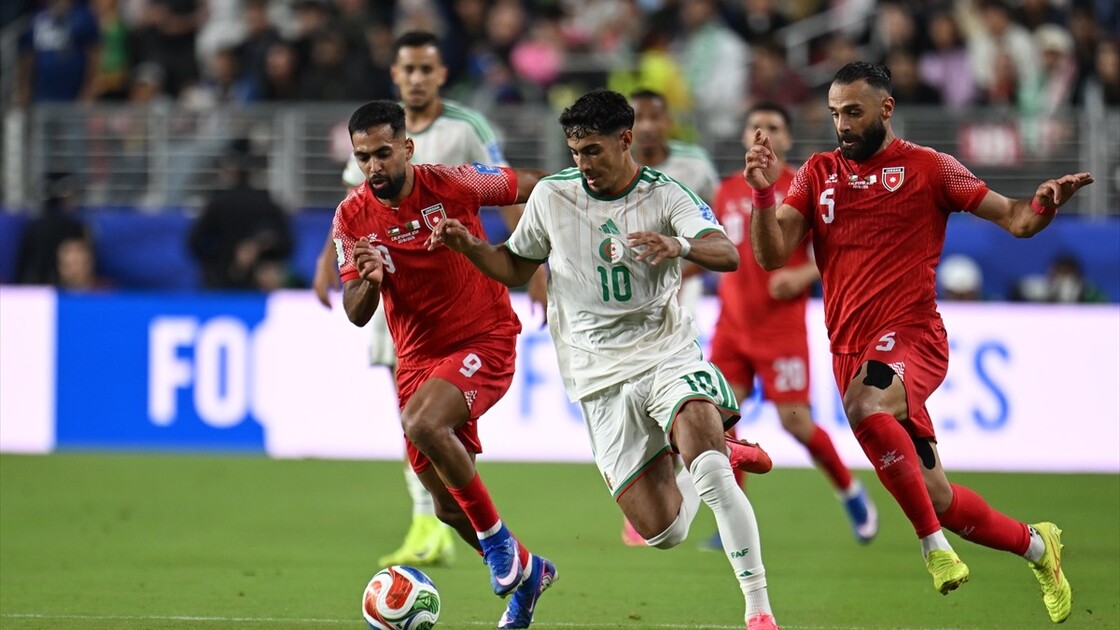
In the 36th minute, the narrative shifted with an unexpected flourish. Jordan, the debutants who had arrived at this tournament with the ambition of proving their place among the elite, pierced the Algerian defense. A moment of fortune saw a miscued effort by Mousa Al Tamari arc across the penalty area, finding Nizar Al Rashdan. With a composure that belied the tension of the occasion, Al Rashdan connected with the outside of his right boot, sending the ball home to give Jordan a lead that ignited their supporters and silenced the Algerian faithful. It was a goal born of opportunism and precision, a crowning moment for a side experiencing the thrill of a World Cup lead for the first time.As the halftime whistle echoed through the stadium, Algeria faced a crossroads. They had been proactive, yet they were trailing. The locker room session proved to be the turning point of their tournament. Emerging with renewed vigor and tactical clarity, the Desert Warriors transformed their approach. They stopped relying on the fluidity of their attack and turned instead to the ruthless efficiency of set-pieces, pinning Jordan back into their own territory.
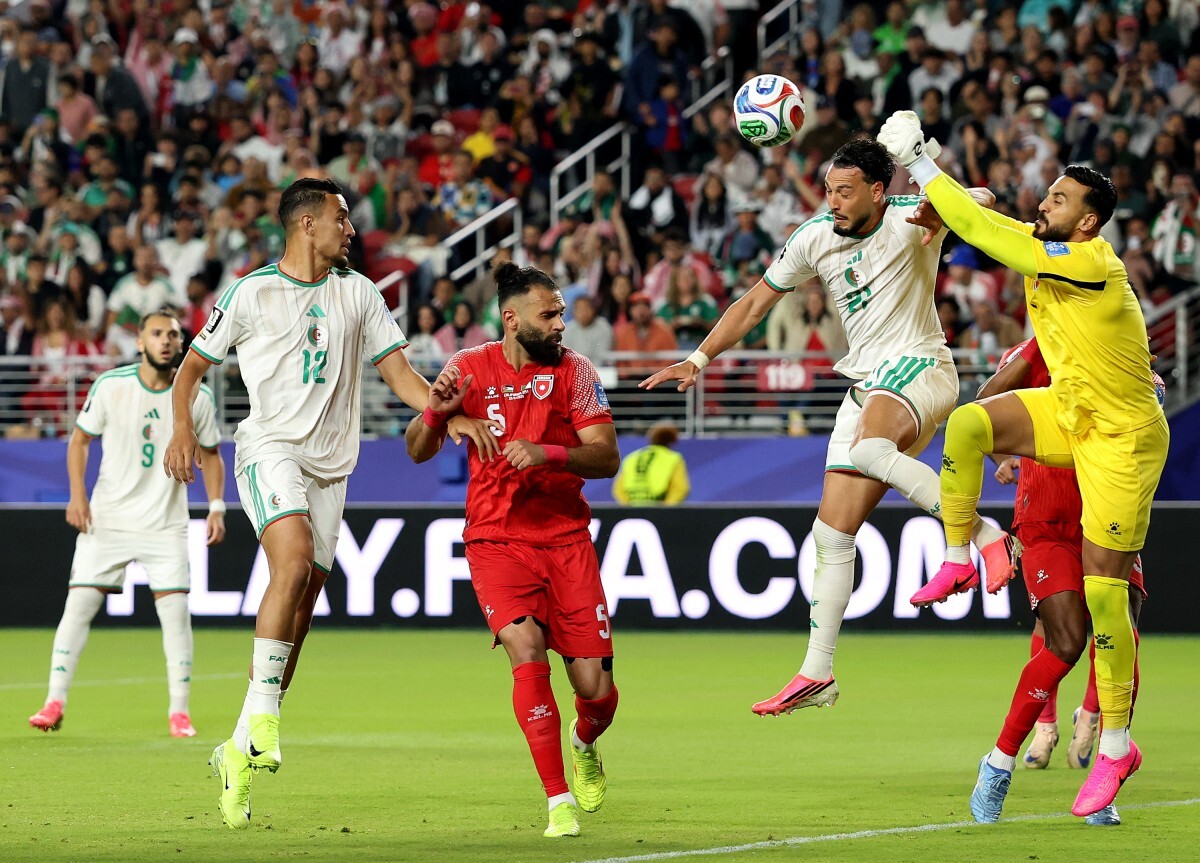
The relentless pressure began to erode Jordan’s resolve. In the 69th minute, the dam finally broke. A corner kick, lofted into the heart of the area by the veteran Riyad Mahrez, met the soaring leap of substitute Nadhir Benbouali. His header was not merely accurate; it was authoritative, crashing into the net to restore parity. The equalizer acted as a lifeline for the Algerians, whose energy levels surged with the sudden shift in momentum.The final act of the drama unfolded in the 82nd minute. Another set-piece—the vulnerability that had haunted Jordan throughout the night—proved their undoing once more. As the ball fell loose in the congested penalty area, Amine Gouiri reacted with the instinct of a predator, tucking the ball into the net from close range. It was a finish that completed the turnaround, a goal that transformed the atmosphere from tension to triumph.
For Algeria, the result was a masterclass in psychological recovery. It marked a historic milestone: their first World Cup victory after conceding the opening goal, a feat that had eluded them in nine previous attempts. The victory propelled them back into the heart of the Group J conversation, setting the stage for a high-stakes showdown against Austria that will determine their path to the knockout rounds.For Jordan, the final whistle brought a curtain down on a journey that, while ending sooner than they had hoped, left an indelible mark. Their debut in the tournament was defined by moments of genuine quality and a spirited adherence to their plan. Though they leave the competition with zero points, the pride of their supporters was palpable long after the match concluded. They challenged the established order, held a lead against a seasoned opponent, and proved that their presence on this stage was no fluke.As the Algerian fans flooded the exits, singing and waving their flags into the Californian night, the match stood as a testament to the brutal, beautiful nature of the World Cup. It was a reminder that football is as much about the capacity to endure adversity as it is about the talent on the pitch. Algeria lives to fight another day, their tournament ambitions revived by a late-match surge, while Jordan departs, their heads held high, having contributed a chapter of resilience to the 2026 story.