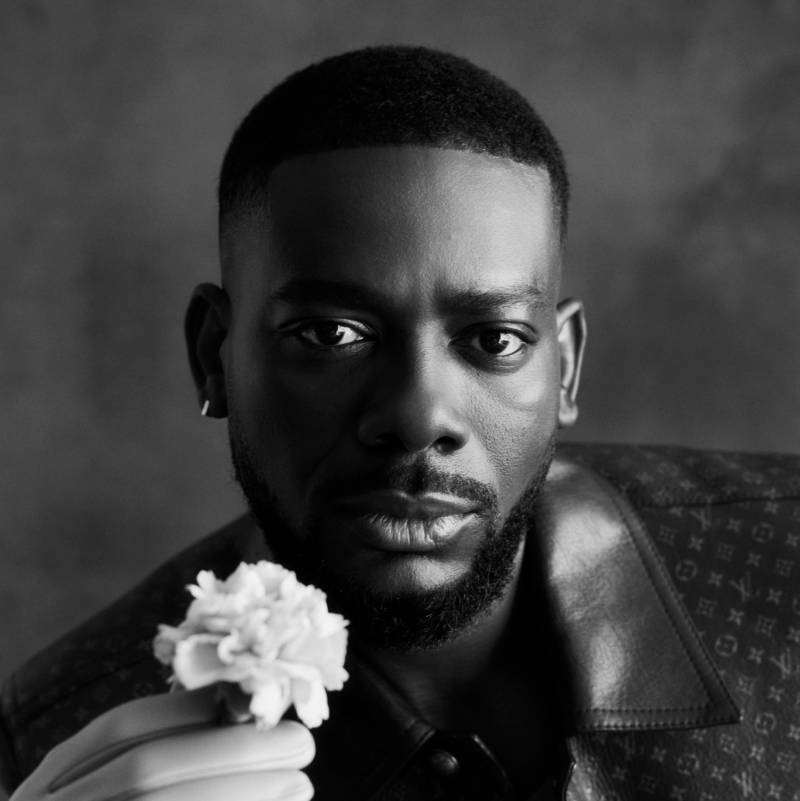
In a high-stakes cultural dialogue that bridged the worlds of late-night television and global advocacy, Jimmy Kimmel recently joined Michelle Obama and her brother Craig Robinson for a candid retrospective on the IMO platform. The conversation serves as an expansive report on the evolution of a career defined by resilience, tracing Kimmel’s path from a prank-heavy childhood in Las Vegas to his current standing as a moral arbiter in the late-night landscape. By weaving together personal vulnerability with professional philosophy, the discussion provides a definitive look at the man behind the desk, revealing a leader who views his public platform not just as a vehicle for comedy, but as a strategic tool for social engagement and a reflection of the complexities inherent in modern parenting.
The report begins with a deep dive into Kimmel's formative years, specifically his family's move to Las Vegas. This relocation was not a random choice but a tactical move influenced by his Uncle Frank, who served as a security guard for the legendary Frank Sinatra. This early exposure to the high-stakes world of Vegas entertainment, where his uncle protected some of the most iconic figures of the era, provided a unique backdrop for Kimmel’s childhood. It was in this environment that his penchant for practical jokes flourished, most notably in a long-standing, playful rivalry with his local priest, Father Bill. These early pranks were more than just juvenile rebellion; they were an apprenticeship in the art of the "straight man," with the pastor of his church serving as the ultimate foil for a young comedian testing the boundaries of authority and timing.
However, the transition from local prankster to media powerhouse was anything but linear. Kimmel spoke candidly about the early trials of his career, documenting a series of professional setbacks that included being fired from several radio jobs before finding his footing. This period of his life is highlighted as a masterclass in professional adversity. He describes the initial, high-pressure startup phase of his late-night talk show, Jimmy Kimmel Live!, as a grueling era where he often had to balance the extreme demands of launching a national television franchise with the immediate realities of childcare. This "dual-shift" existence established his unique perspective on work-life integration, proving that even the most prestigious career paths are often built on a foundation of domestic chaos and sheer perseverance.

Related article - Uphorial Shopify

In addressing his current role, Kimmel articulated a definitive late-night philosophy that has occasionally put him at odds with the traditional expectations of the format. He explained that he feels a profound responsibility to use his platform to address serious current events and political issues, even when the subject matter is uncomfortable or emotionally taxing. For Kimmel, the role of a host in the 2020s has shifted; it is no longer enough to provide an escape. Instead, he believes the job requires a commitment to social truth and a willingness to facilitate difficult conversations. This stance has transformed his show into a significant node of public commentary, where the humor is frequently anchored by a desire to hold institutions accountable through the lens of common sense.
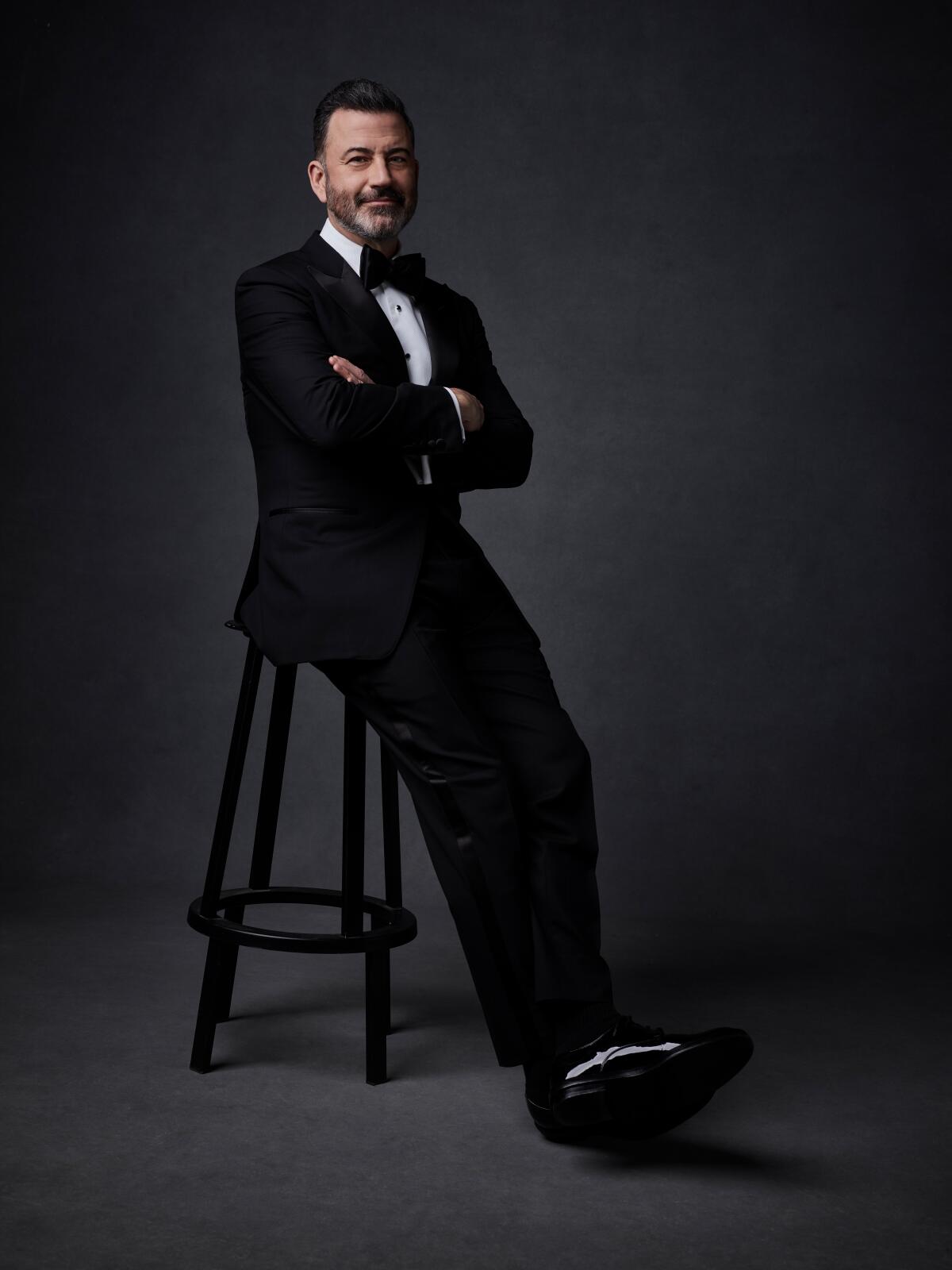
The conversation also delved into the specific stresses of modern parenting, with the hosts offering diverse perspectives on balancing professional legacies with family life. Kimmel shared a humorous yet stressful anecdote regarding a vacation mishap involving a classic car and a rental property—a story that serves as a relatable report on the unpredictability of "the perfect break." These moments of vulnerability serve to humanize a figure often seen only through the polished lens of a television studio, illustrating that regardless of professional status, the challenges of raising children and maintaining a home remain a universal leveling force.
The discussion concluded with a strategic analysis of the future of comedy. Despite the fragmented nature of the modern media landscape, Kimmel expressed a surprising level of optimism. He specifically noted the growth of niche content and the unprecedented opportunities provided by social media for new, diverse voices to reach audiences without the traditional gatekeepers. He views the democratization of content as a net positive, suggesting that while the "traditional" late-night format is evolving, the demand for authentic, high-quality comedic storytelling remains stronger than ever. Ultimately, the report from the IMO session paints a picture of a man who has successfully navigated the transition from a struggling radio sidekick to a cultural veteran. Jimmy Kimmel’s journey is a testament to the power of resilience and the importance of staying grounded in one’s personal history. As he continues to balance the demands of a nightly show with the responsibilities of family, his career stands as a blueprint for how to maintain a sense of self and a commitment to the public good in an industry often defined by its transience.