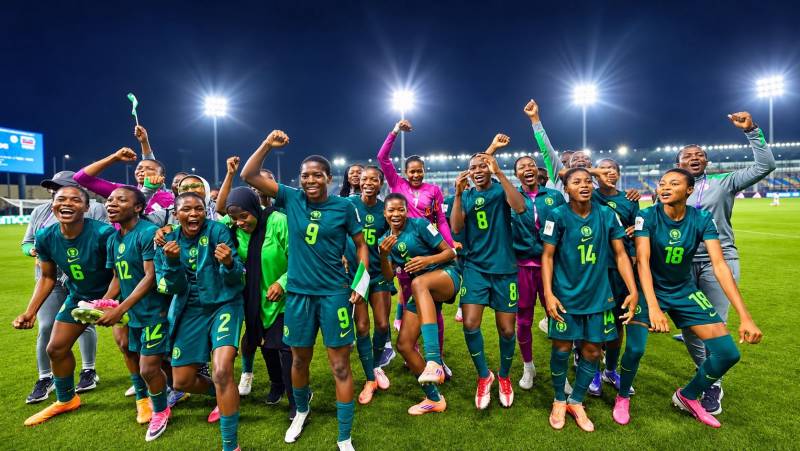
The architecture of global athletic dominance, historic gender triumphs, and continental self-determination reached a masterly, illuminating peak on a crisp November evening in Rabat, Morocco. As the final whistle echoed across the arena, a profound, irreversible shift reshaped the international football landscape, crowning Nigeria’s under-seventeen women’s national team as the undisputed champions of the world. By delivering a tactical masterclass to secure a dramatic two-to-one victory over an elite Japanese squad in the World Cup final, the side known affectionately across the diaspora as the Flamingos did far more than raise a golden trophy into the North African night. They dismantled decades of systemic doubts, proving that the pinnacle of international football performance could be envisioned, executed, and owned entirely on African soil.
At the emotional center of this historic triumph lay an unvarnished narrative of resilience, patience, and absolute self-belief. Entering the tournament surrounded by the immense pressure of a continent hungering for breakthrough global validation, the young squad carried the quiet aspirations of millions who had long watched African talent shine in flashes without reaching the absolute summit of international women's competitions. Through emotional precision, observing eleven teenage women navigate the immense psychological weight of a world final without a single trace of hesitation exposed the raw, transformative nature of elite sport. When the final whistle blew, their immediate tears of joy were not merely about athletic victory; they represented the total release of generational toil, converting years of quiet sacrifice, unheralded grassroots training, and institutional hurdles into an enduring moment of collective triumph.
Related article - Uphorial Shopify
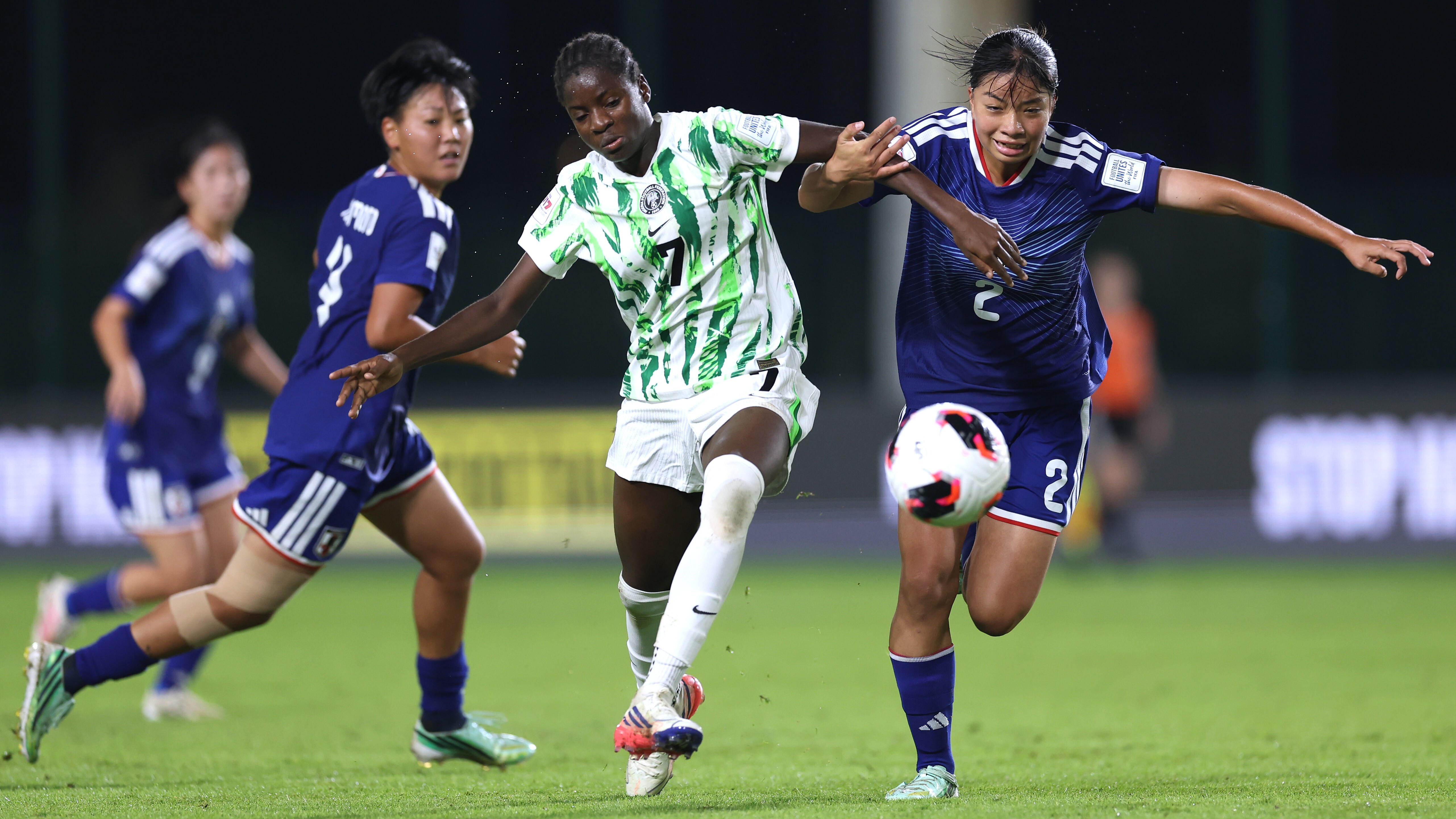
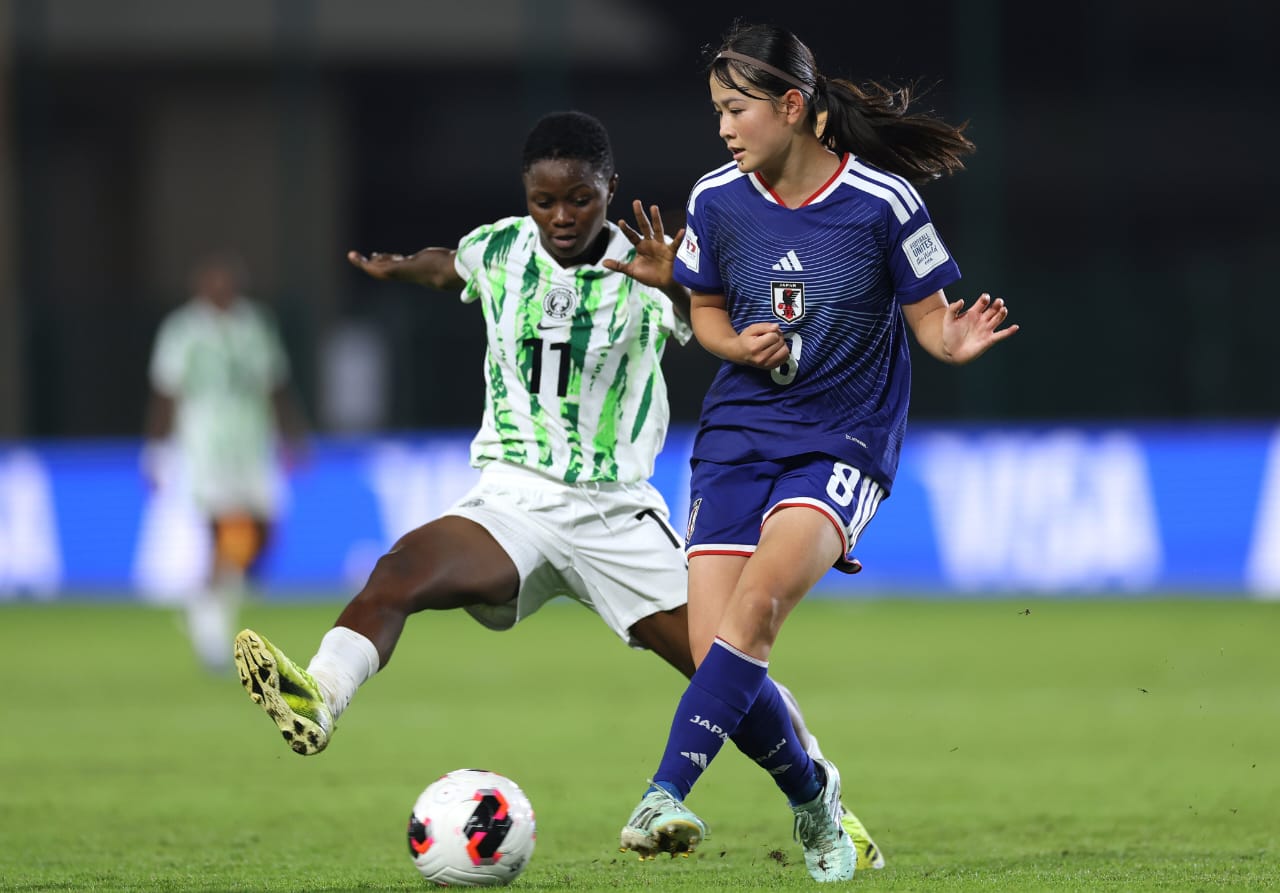
Central to the match’s execution was an extraordinary display of tactical intelligence and physical composure against one of the most disciplined, technically refined footballing programs in global history. From the opening kickoff, Japan sought to establish their signature low-possession, high-efficiency passing triangles, probing for spatial gaps in the Nigerian defense with fluid movement and relentless speed. However, Nigeria’s game plan relied on aggressive mid-block pressuring, tactical spatial awareness, and explosive transition play. Rather than allowing Japan to settle into a hypnotic rhythm, the West African side asserted physical dominance in central midfield, forcing frantic turnovers and converting defensive recoveries into immediate counter-attacking opportunities that disrupted Japan’s calculated structural rhythm.
Through a deep cultural understanding of global sports geography, the match served as an eloquent mirror to the broader evolution of modern women's football. Long dominated by traditional powers across Europe and North America, the international game has increasingly witnessed the rise of dynamic athletic models anchored in West African speed, technical instinct, and fierce spatial creativity. In Rabat, Nigeria’s tactical discipline matched Japan’s technical precision step for step, proving that the technical gap between continents has permanently dissolved. This victory underscored a vital cultural reality: African football talent no longer needs to be refined in foreign academies to achieve world-class operational standard; it is thriving, mature, and capable of dominating global finals directly from its own native development pipelines.

Strategic storytelling frames the decisive highlights of the final as a clinic in opportunistic striking and defensive fortitude. The initial breakthrough arrived in the thirty-ninth minute through sheer pressure and predatory instincts, when Awawu Bashiru capitalized on a rare defensive miscue by the Japanese goalkeeper, driving the ball into the net to set off wild celebrations across the stadium. Before Japan could fully recalibrate their tactical shape following the halftime interval, Nigeria struck a devastating second blow in the forty-seventh minute. Oluebube Umejiaku, who would ultimately earn the tournament's prestigious Golden Ball award as its most outstanding player, gathered the ball on the edge of the area and uncorked a curling, precise right-footed strike that looped high over the outstretched keeper into the top corner. Although Japan mounted a desperate late assault, pulling a goal back in the eightieth minute through Fuki Ito following a chaotic goal-mouth scramble off a corner kick, the Nigerian backline anchored themselves with ice-cold discipline to seal the two-to-one victory.
Beyond the immediate tactical breakdown, the wider significance of this victory extends deep into the socio-economic and cultural fabric of the African continent. For generations, young African female athletes have navigated an uphill battle against systemic underinvestment, societal skepticism, and limited structural pathways to professional athletic careers. By becoming the first African nation to lift the FIFA Under-Seventeen Women’s World Cup trophy, these young women shattered an invisible ceiling, providing a concrete blueprint of excellence for every aspiring athlete across the continent. Their success sends an unmistakable message to sports federations, corporate sponsors, and local communities alike: investing directly in female youth development is not merely an act of social good, but an absolute prerequisite for global excellence.
Through transformational framing, this chronicle of Nigeria’s World Cup triumph transcends standard sports journalism recaps. It stands as an enduring athletic chronicle, proving that when generational talent, tactical discipline, unyielding national pride, and visionary youth development align, sports victory ceases to be a fleeting moment of celebration and becomes an immortal milestone in human achievement, cultural dignity, and historic triumph.