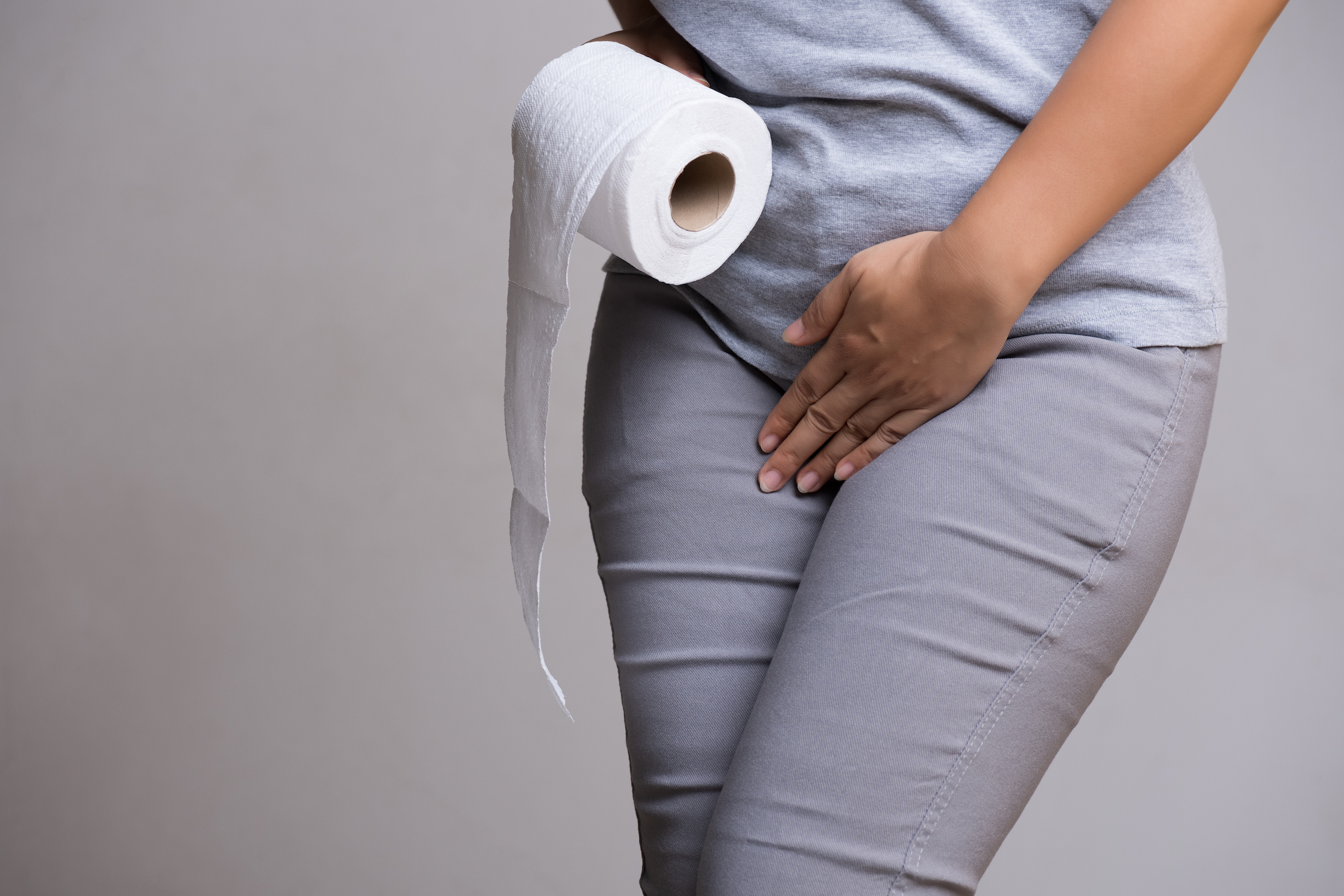
Men experiencing the persistent annoyance of postvoid dribble or the sensation of needing to return to the bathroom immediately after urinating are often dealing with a condition known as postvoid residual. Rena Malik, M.D., a urologist and pelvic surgeon, explains that this occurs when the bladder—essentially a storage bag for urine—fails to empty completely due to a breakdown in the coordination between bladder muscle contraction and the opening of the outlet. For men over the age of 60, the most frequent cause is Benign Prostatic Hyperplasia (BPH), where an enlarged prostate compresses the urethra, though other obstructions like kidney stones, scar tissue, or even severe constipation can physically impede flow by pressing the rectum against the bladder. Over time, the bladder muscle itself may lose its "squeeze" due to chronic overstretching, neurological conditions like diabetes, or the side effects of common over-the-counter medications such as antihistamines and decongestants.
Related article - Uphorial Shopify

Leaving urine behind is more than an inconvenience; it creates a breeding ground for bacteria, making urinary tract infections—which are considered abnormal in men—a significant risk factor. To address this, Dr. Malik recommends several immediate behavioral adjustments, most notably sitting down to pee. This posture allows the abdominal and pelvic floor muscles to relax, a process that can be further optimized by using a footstool to raise the knees higher than the hips and taking deep belly breaths to prevent straining, which actually causes the pelvic floor to tighten. She also introduces the concept of "double voiding," which involves waiting 30 seconds after the initial flow to try again, perhaps using gentle pressure or tapping on the lower abdomen to trigger remaining contractions. For some, sensory triggers like running tap water or making a whistling sound can stimulate the necessary bladder response, while timed bathroom visits every three to four hours can prevent the bladder from becoming overfilled and difficult to manage.
Lifestyle and dietary choices are equally critical in managing these symptoms and maintaining long-term urological health. Dr. Malik emphasizes that men should consume 38 grams of fiber daily to prevent the bladder-compressing effects of constipation and maintain proper hydration, as concentrated urine can irritate the bladder lining and increase urgency.
Incorporating green vegetables like spinach and kale into the diet provides antioxidants that may reduce the risk of prostate enlargement. Additionally, targeted physical activity such as the Cobra stretch, hip flexor stretches, and the "happy baby" pose can help relax the pelvic floor and surrounding core muscles. Research also suggests that losing as little as 8% of one's body weight can significantly alleviate urinary symptoms and restore quality of life. Ultimately, while these home remedies are effective for many, Dr. Malik warns that experiencing pain, blood in the urine, or a total inability to urinate requires immediate medical attention to avoid serious complications.