
It turns out that toothpaste can have a significant impact on your dental hygiene and oral health. Toothpaste is still a valuable and dentist-recommended part of a quality oral care routine, even though it is not as crucial as the process of actually brushing your teeth. That's as a result of the numerous potent and advantageous elements it contains. According to Healthline, toothpaste is frequently created with substances that can help clean and preserve your teeth, including fluoride, detergents and abrasives, anti-sensitivity agents, antimicrobials, peroxide, humectants, flavorings, and thickening agents.
The primary active component in the majority of toothpaste products is fluoride. While detergents, abrasives, and antimicrobials assist prevent and eliminating plaque accumulation, which is what causes cavities, it can aid in the fight against cavities and support good tooth enamel. While anti-sensitivity chemicals can help make your teeth less sensitive, peroxide can assist in removing any stains from your teeth. When toothpaste becomes bad, what happens to these active ingredients.
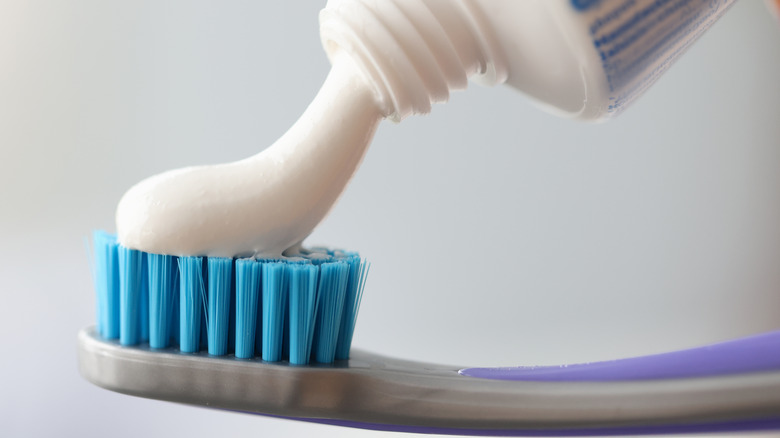
The main components in toothpaste can lose some of their potency over time, which is why it has an expiration date. According to Bustle, fluoridated toothpaste can last up to two years while non-fluoridated toothpaste needs to be changed every 12 months. If you want to know when your toothpaste expires, look at the paste's consistency or the expiration date on the outside of the box. Your toothpaste probably needs to be replaced if it is discolored, flavorless, or dried out.
READ ALSO: What Your Itchy Foot Actually Means
Although using expired toothpaste won't harm you, it usually works less well than toothpaste that hasn't yet gone bad. Continually using toothpaste that is less effective may raise your chance of developing cavities. According to Dr. Sharon Huang, the dentist and founder of Les Belles NYC, "the fluoride is not as powerful as it is supposed to be [when expired], making your teeth more susceptible to attacks by bacteria [which can lead to cavities]."