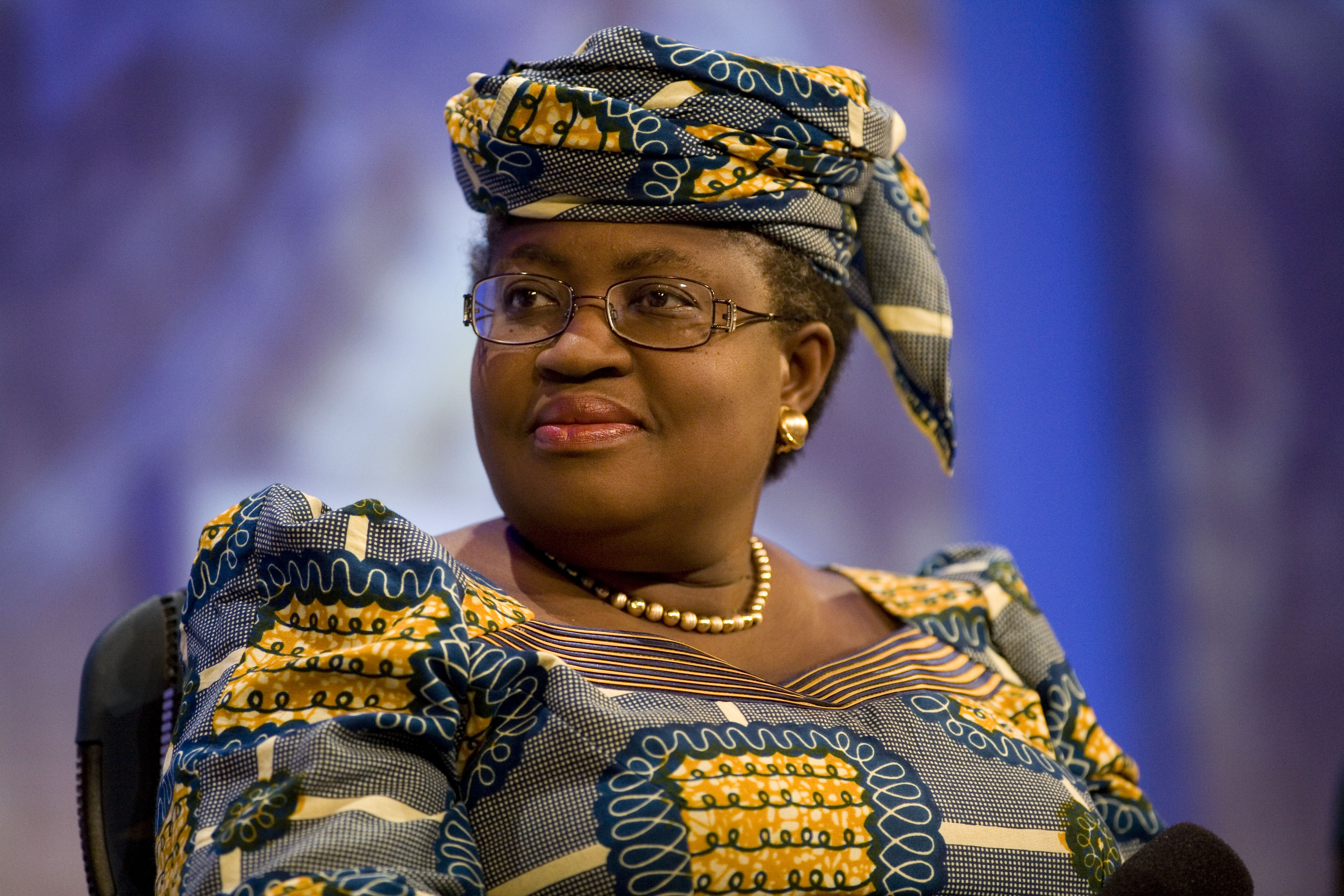
The global trading system is currently grappling with its "most severe disruptions in 80 years," a turbulence addressed by H.E. Dr. Ngozi Okonjo-Iweala, Director-General of the World Trade Organization (WTO), during the FII Institution event. Speaking on the state of international commerce, which she preferred to call "disrupted" rather than merely "jolted," Dr. Okonjo-Iweala acknowledged the system is "battered" but firmly stated it is "not broken".
The resilience of the system is remarkable: despite the severe disruption and "unilateral actions of the US," analysis shows that 72% of world trade is still going on WTO most-favored-nation terms. This figure has only slightly declined from 80% before recent tariffs were imposed, demonstrating that almost three-quarters of global goods trade is still conducted under WTO rules. Dr. Okonjo-Iweala extended her "thanks and congratulations to WTO members" for "respecting the rules" and trading among themselves, thereby avoiding a "1930s style retaliation" like the smooth holy act.
Although the United States, the world's biggest economy, has taken unilateral actions, the Director-General agrees with "a lot of their criticisms" that the system needs reform, particularly concerning "unfair trading practices" and the lack of a "level playing field". However, the US’s decision not to respect global trade rules does not mean the rest of the world should abandon the WTO, especially since "72% of world trade is going on WTO terms" because other members have not engaged in "tit for tat retaliation with the United States," which is "good". The trade to GDP ratio for the US is 25%, meaning its large domestic economy "can live without trade," but for 142 of the WTO’s 166 members, their ratios are "north of 50%," making trade "existential for them". Despite its actions, the US is still a member, engages at the WTO, and is "actively taking part".
Related article - Uphorial Shopify
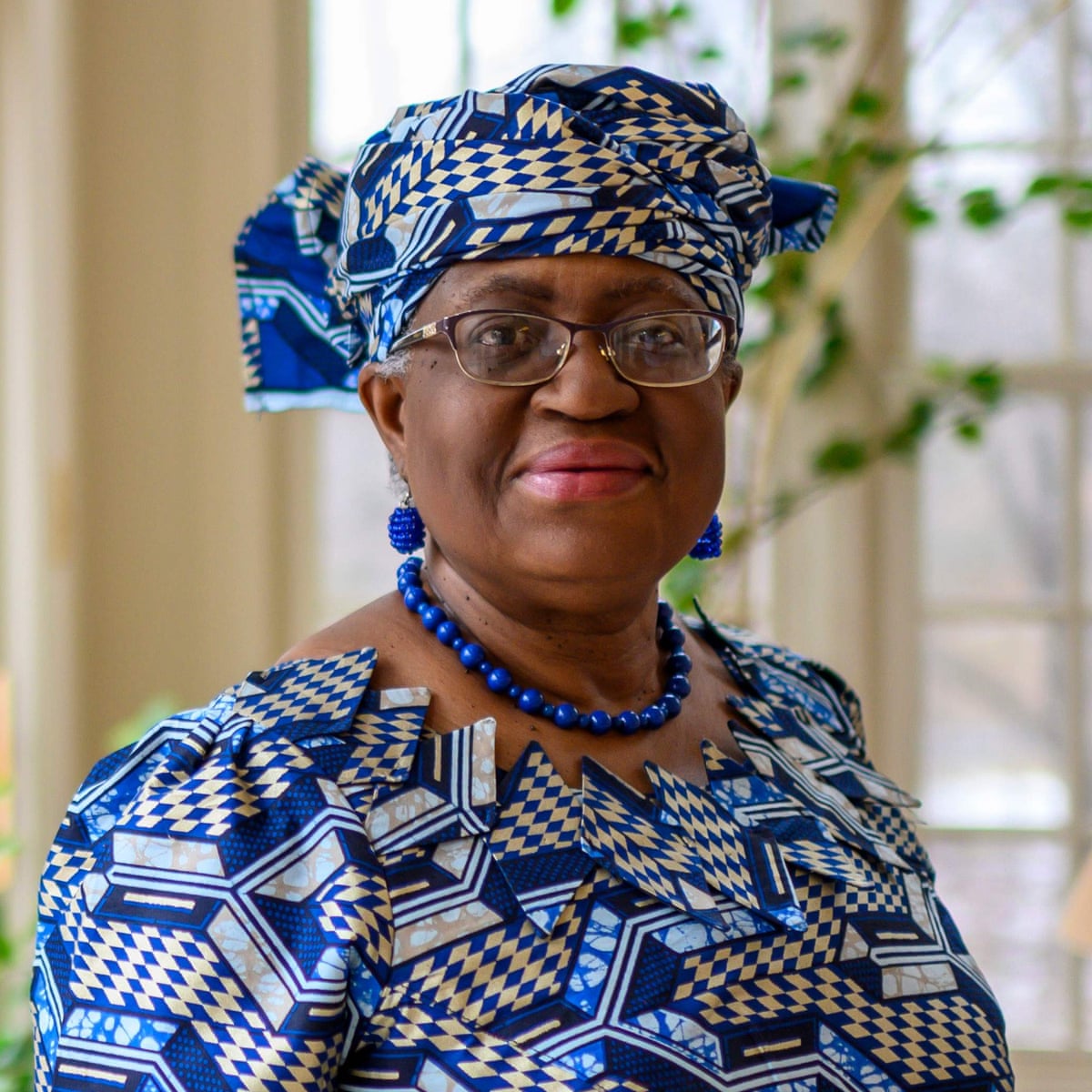
Dr. Okonjo-Iweala sees "opportunity in this crisis in global trade". While goods trade is projected to grow modestly at 2.4% this year, services trade is growing at twice that rate, about 4.3%. Critically, "digitally delivered services trade is growing at 8%". Furthermore, "green trade is almost two trillion dollars. The WTO is focused on reforming the 20th-century organization to align with the 21st-century economy, focusing on new rules for e-commerce and digital trade. These new rules are being negotiated by a "plurilateral" coalition of "almost 100" willing members.
Artificial Intelligence (AI) represents another significant growth area; a WTO study showed that "42% of the growth in trade in the first half of this year was driven by AI goods". The good news is that the WTO already has an agreement, the Information Technology Agreement, covering $3 trillion worth of trade in "semiconductors and computer equipment and all the things you need for AI". However, the organization must focus on standards, as AI will "reduce the cost of trade" but also "change the nature of the goods we trade". The WTO is skilled at standards and needs to focus attention on "standards in goods that are AI-infused or services that are AI-infused".
The Director-General lamented that the world’s attention often fixates on the bilateral actions of the two biggest economies, the US and China, rather than the core functions of the WTO. She emphasized that the WTO's rules and agreements function as the fundamental "plumbing in your house"—ignored until the pipe breaks and floods the room. Business people in China and the US, who are the actual traders, support the WTO because they understand that the organization provides fundamental rules like the customs valuation agreement and intellectual property agreements.
Before a business-friendly audience, where a poll showed 80% of attendees believe tariffs are a bad idea, Dr. Okonjo-Iweala issued a direct plea. She asked the business leaders to recognize that "some optimism is warranted" because things are not broken the way people think, urging them to remember the 72% figure. Her primary wish list centers on reform: she wants them to get their governments to support reform at the WTO. Specifically, reforms are needed for the consensus decision-making system, which is currently practiced as unanimity and "really slows down decision-making". Improvements are also needed for transparency practices and discussions surrounding the use of "new green subsidies or existing industrial subsidies". Governments are urged to bring forward their reform ideas and have the "political will to push for the reform" at the WTO ministerial in Yaund in March 2026. The message from the Director-General, shared at the FII Institution event, is that the WTO "is alive and kicking" and needs support to modernize.