The word feminism once stood firmly for equality, the right for women to vote, work, and live without restraint in a society built to prioritize men. But today, the meaning feels blurred. Scroll through social media, and you’ll see extremes: some voices use feminism as a weapon against men, while others dismiss it as outdated, even dangerous. The clash between feminist and anti-feminist narratives has never been louder.
The confusion is partly fueled by culture wars. In a recent viral debate, feminists argued for dismantling patriarchy while critics claimed the movement had morphed into a stage for male-bashing. News outlets amplify these divisions, and stories of gender pay gaps sit beside heated clips of influencers denouncing “toxic men.” In 2025, the term carries more weight than ever, but also more misunderstanding.
Yet, feminism was never meant to be war. At its core, it is about dismantling structures that hold back women, and by extension, men too. A man trapped in the idea that showing emotion makes him weak suffers under the same patriarchy that feminism challenges. But the rise of anti-feminist content online has reframed this struggle as one gender against another. This framing fuels hostility, turning a movement of justice into a battlefield of blame.
Related article - Uphorial Radio

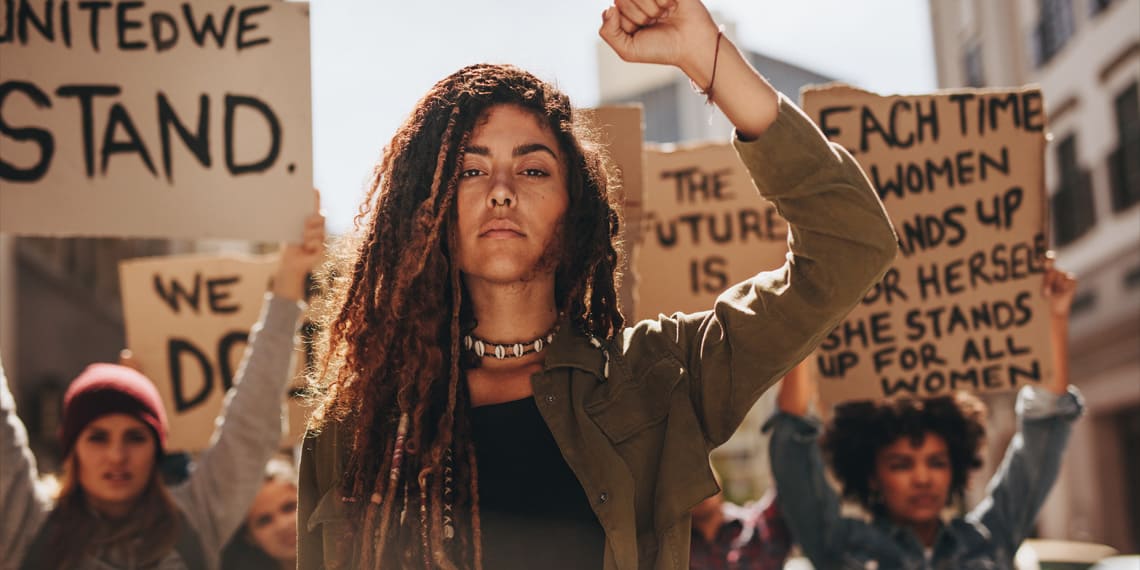
The real danger lies in forgetting the human stories behind the labels. Feminism is the mother raising her daughter to believe she can lead. It is the young man who rejects the stereotype that vulnerability makes him less of a man. It is not, and should not be, a doctrine of hate. But when noise drowns nuance, people lose sight of its purpose. Recent protests in Europe and America show how polarized the conversation has become.
Some groups march for women’s safety and representation, while counter-groups argue men are now unfairly targeted. The truth sits somewhere in between; systemic inequalities persist, but misinterpretation of feminism has fueled defensiveness and division. The question is not whether feminism hates men, but whether we’ve allowed anger, algorithms, and echo chambers to rewrite its meaning. Feminism remains about equality, but in an age of viral clips and polarized discourse, it risks being defined by its loudest critics. Feminism is not the enemy of men. Miscommunication is. Until we strip away the noise and return to its foundation, equality, this misunderstanding will linger, turning allies into adversaries and movements into battles.