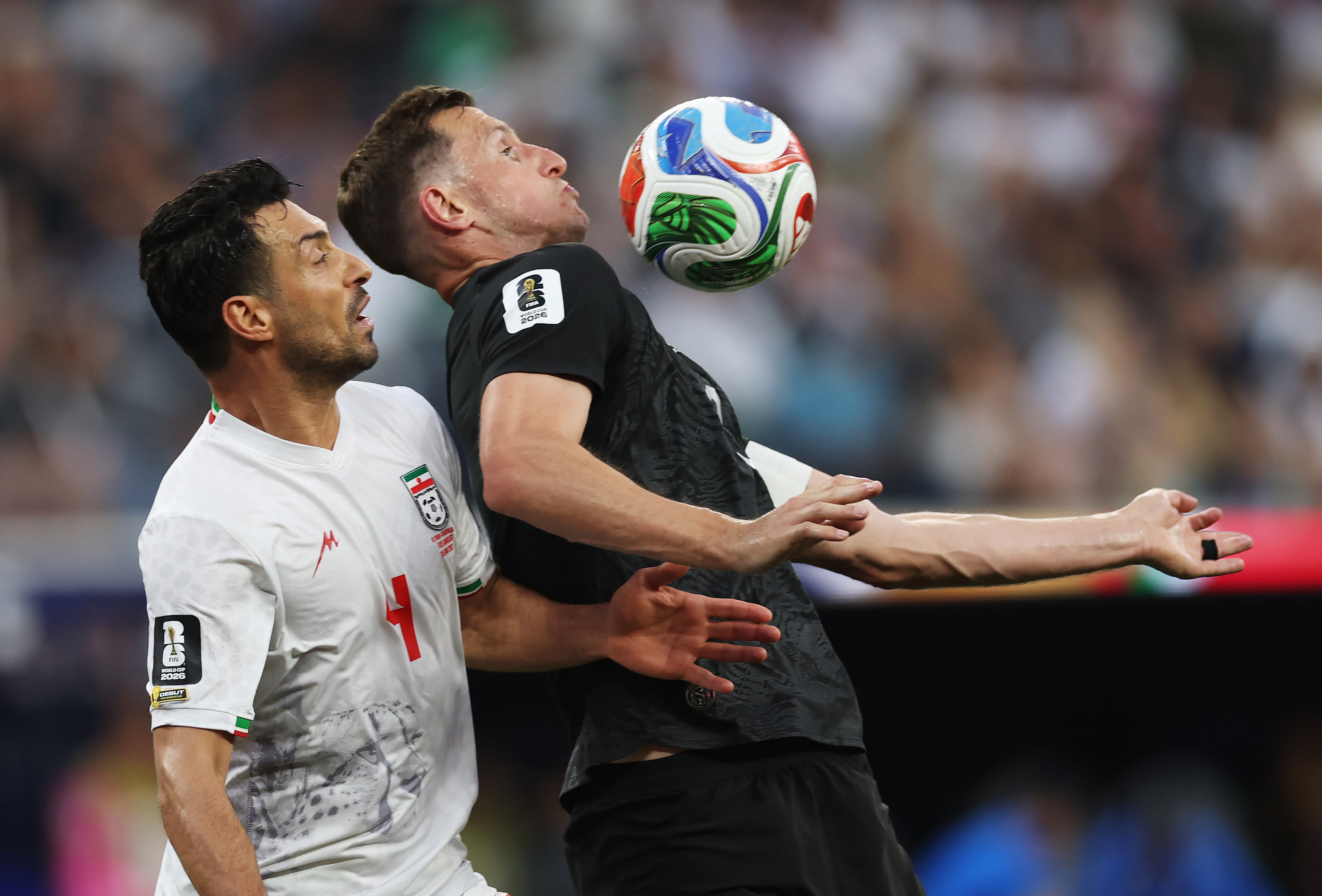
LOS NAGELES – The sun-drenched expanse of the Los Angeles Stadium provided the perfect, cinematic backdrop for a collision that transcended the simple metrics of a group-stage fixture. In what served as only the third meeting between the Islamic Republic of Iran and New Zealand in their respective footballing histories, the atmosphere was thick with the weight of expectation and the raw, unscripted intensity of the 2026 FIFA World Cup. For the Iranian side, buoyed by a fan base that turned the arena into a sea of fervor, the match was a statement of intent. For New Zealand, the "All Whites," it was an opportunity to demonstrate that their tactical discipline and the leadership of veterans like Chris Wood and Tommy Smith could bridge the gap against a more globally established adversary.
The opening phase of the encounter was defined by a surge of Iranian momentum. Their play was characterized by rapid transitions and a cohesive, aggressive press that pushed New Zealand back into their defensive third. The crowd responded to this dominance with a rhythmic, thunderous energy that seemed to push the Iranian players forward with every touch. Yet, the beautiful, cruel irony of tournament football is that dominance does not always manifest in goals. New Zealand, weathering the initial storm with the composure that only veteran experience can provide, waited for their opening. When it arrived, it was clinical. Through a moment of sharp anticipation, Elijah capitalized on a rare defensive lapse, steering the ball home to stun the stadium into a momentary, collective silence.
Related article - Uphorial Shopify

The response from Iran was both immediate and visceral. They did not retreat; rather, they tightened their formation and increased the verticality of their attacks, forcing New Zealand to endure a relentless barrage. The tension reached a fever pitch midway through the half when the ball finally found the back of the New Zealand net. For a heartbeat, the stadium erupted in what felt like a match-defining moment of triumph. However, the modern game’s reliance on precision stripped that joy away just as quickly, as a lengthy VAR intervention meticulously reviewed the play, eventually signaling an offside violation. The disallowed goal served as a psychological pivot, momentarily tempering the Iranian pressure while injecting a new, defensive resolve into the New Zealand ranks.Despite the setback, the Iranian perseverance remained undiminished. As the half neared its conclusion, they finally found the breakthrough their performance deserved. A fluid, patient build-up play allowed them to find the space they had been probing for since the opening whistle, leveling the match and reigniting the atmosphere in Los Angeles. The goal was a reward for their tactical persistence, turning the remainder of the first half into a high-stakes duel where momentum shifted with every possession.

Central to New Zealand’s ability to stay in the contest was the towering presence of Chris Wood. Operating as the primary target man, Wood used his deep reservoir of experience to hold the ball under heavy duress, allowing his teammates to push up the pitch and relieve the pressure. His leadership was the invisible hand guiding the All Whites, as he dictated the tempo and acted as the primary conduit for their counter-attacks. Around him, the defensive organization led by Tommy Smith demonstrated a quiet, resolute dedication, constantly thwarting the sophisticated Iranian attempts to thread the needle through the center.As the match progressed into the second half, the physical cost of the competition began to manifest. The intensity of the play did not wane, but the fluidity gave way to a display of pure, visceral grit. Each challenge was contested as if it were the deciding moment of the tournament; every clearance from New Zealand was met with a desperate, lung-busting sprint from the Iranian midfielders. By the final whistle, both squads were physically spent, their movements labored as they left every ounce of energy on the pitch in a draw that felt as exhausting as it was exhilarating.
The result of the match, while ultimately ending in a stalemate, served as a compelling microcosm of the 2026 World Cup’s unique spirit. It showcased the collision of different footballing cultures: the technical, high-energy approach of Iran against the seasoned, resilient discipline of New Zealand. For the neutral observer, it was a reminder that in this tournament, there are no easy games and no guaranteed outcomes. For the participants, it was a testament to the growth of their respective programs. As the players walked off the field under the California sky, they did so knowing that they had participated in something greater than themselves—a match that, while just the third meeting between their nations, laid the foundation for a budding international rivalry. The journey through the group stages remains wide open, but the legacy of this afternoon in Los Angeles will be defined by the image of two squads, pushed to the absolute limits of their capacity, refusing to yield until the very last second.