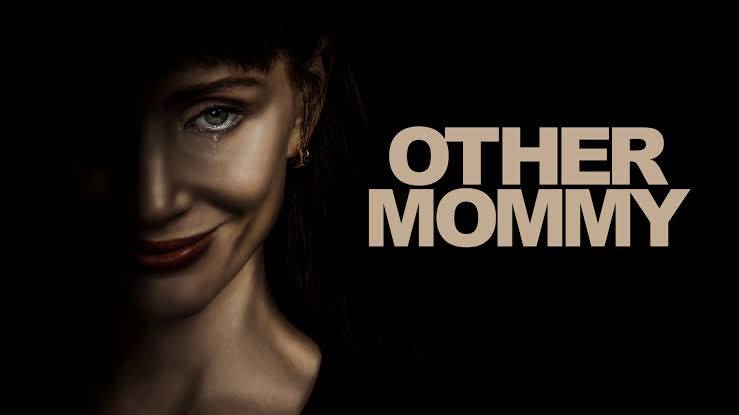
The architecture of modern genre filmmaking, subjective camera choreography, and visceral dread engineering reaches a masterly, illuminating peak in an in-depth directorial breakdown by Zach Cregger. Unpacking the specific visual mechanics across three key cinematic works—Resident Evil, Weapons, and Barbarian—the discussion exposes how spatial awareness, practical practical effects, artistic homage, and point-of-view perspective synthesize to command audience psychology. In an exceptionally detailed film feature report and directorial analysis, cinema chroniclers examine a masterclass defined by game-inspired camera tethering, high-impact stunt practicalities, character ambiguity through set design, and the fundamental laws of horror tension.
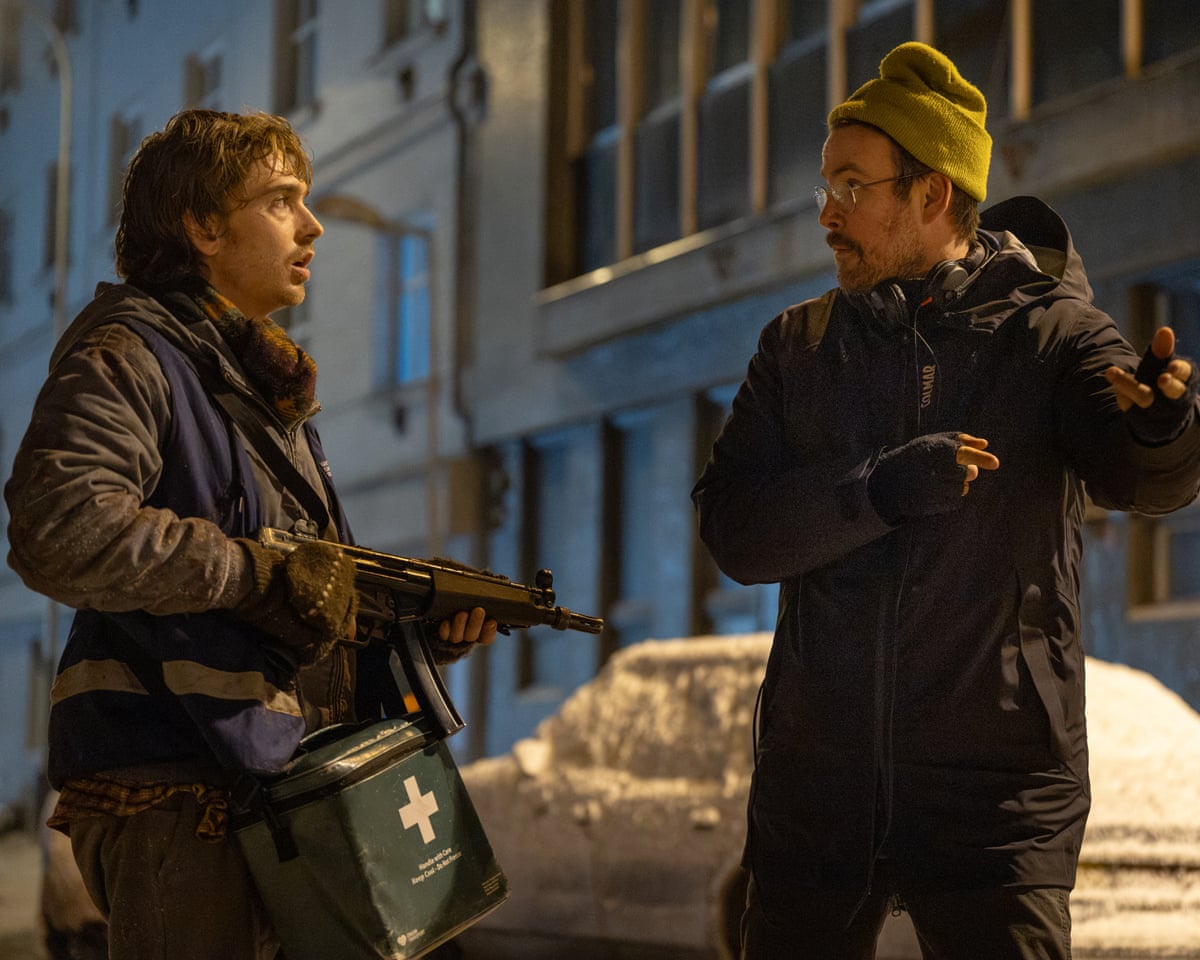
At the technical center of Cregger's directional strategy for Resident Evil is an unyielding commitment to hyper-subjective camera placement. Designed to mirror the intense, claustrophobic rhythms of classic survival horror games, the camera is locked directly to the protagonist's sphere of attention, ensuring the audience experiences immediate environmental threats alongside the character. Nowhere is this practical execution more evident than in a complex action sequence set against a snow landscape. Balancing practical effects with seamless CGI integration, Cregger details the technical challenge of dropping hundred-and-fifty-pound blood bags from heavy cranes to achieve authentic fluid dynamics and physical impact. Through emotional precision, witnessing real weight and physical force collide with raw performance builds palpable tension, proving that visceral horror relies on anchoring high-concept action within the actor's immediate physical reality.

Related article - Uphorial Shopify
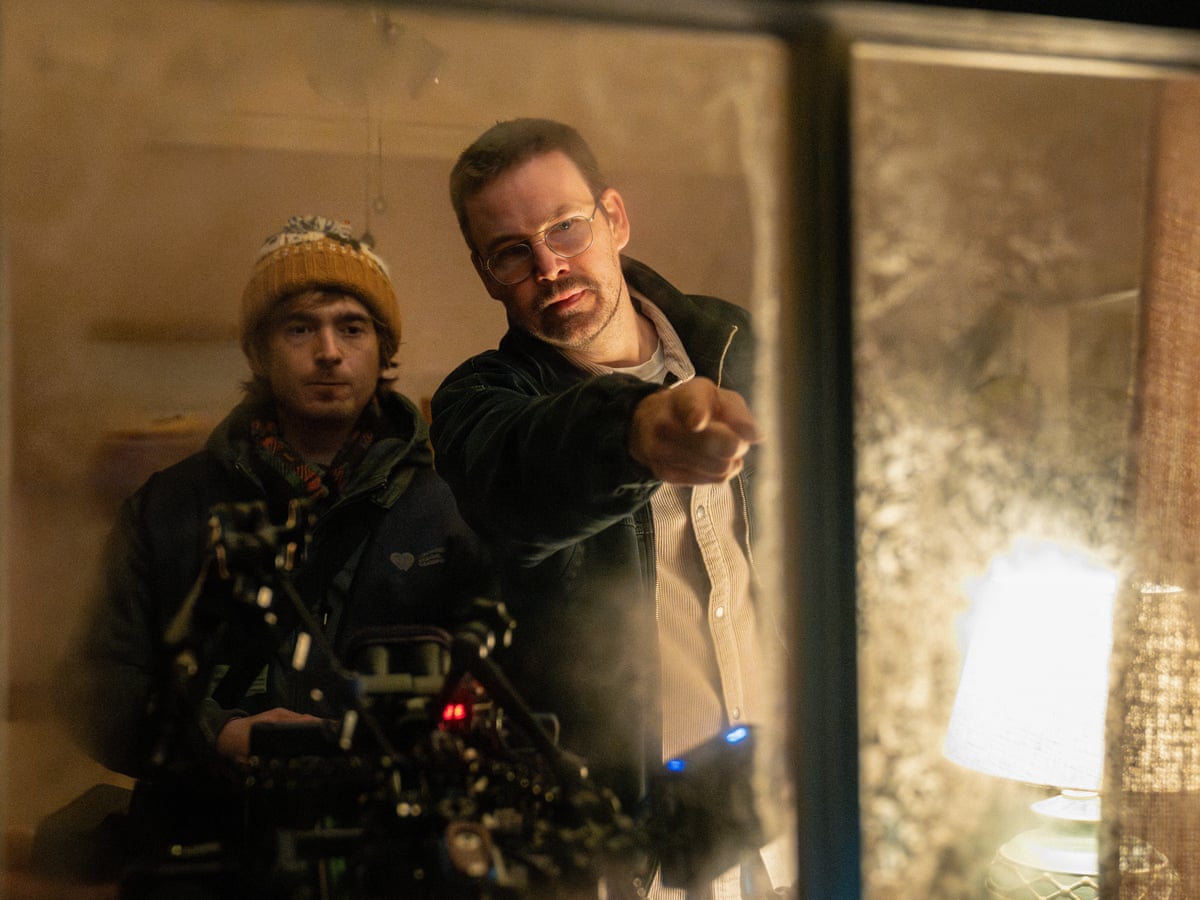
Transitioning to Weapons, Cregger shifts his focus to character design, atmospheric mystery, and spatial set construction around the enigmatic figure of Glattis, played by Amy. Drawing visual inspiration from the transformative self-portraiture of photographer Cindy Sherman and the surreal, unsettling aesthetic of David Lynch's Twin Peaks, he custom-built sets specifically around her silhouette and movement. Using frosted glass panels to obscure and delay her initial entrance, Cregger creates a sense of lingering suspense before she steps into full view. By deliberately leaving the character's true nature and origins ambiguous within the frame, the narrative preserves a potent layer of psychological dread, demonstrating that what is withheld from the viewer is often far more frightening than explicit reveal.
Through a deep cultural understanding of horror mechanics, Cregger’s breakdown of Barbarian establishes a foundational rule for cinematic fear: the audience's capacity for horror is strictly capped by the actor's internal portrayal of terror on screen. To maximize this psychological transfer, he advocates for the superiority of point-of-view and tight over-the-shoulder framing over standard isolated close-ups. By forcing the viewer to look over a character's shoulder into dark, uncharted corridors, the camera invites the audience into the same spatial vulnerability as the protagonist.
Strategic storytelling highlights the monster design of Barbarian’s central antagonist, the "Mother." Cregger reveals that her haunting physical silhouette and unnerving presence were directly inspired by a childhood memory—specifically an illustration of Grendel's Mother from an old illustrated edition of Beowulf. Translating that primal, mythic image into modern practical prosthetics and performance creates a creature that feels both deeply ancient and terrifyingly immediate.
Through transformational framing, this deep dive into Zach Cregger's directorial methodology transcends standard behind-the-scenes commentaries. It stands as an enduring cinematic chronicle, proving that when subjective camera choreography, practical effect execution, high-art influence, and rigorous psychological laws align, genre filmmaking rises to become an immortal study in spatial tension and human fear.