The cultural impact of Euphoria has always resided in its refusal to look away from the precipice. As the curtains close on the final episode of its third season, the series leaves behind a legacy defined not by its stylistic decadence, but by its unflinching commitment to the messy, often brutal reality of its characters. This final chapter serves as more than a conclusion; it is an act of closure for a generation of viewers who have seen their own anxieties, grief, and addictions mirrored in the fractured lives of Rue and her peers. The behind-the-scenes reflection on this finale reveals a production team that operated with a profound sense of purpose, viewing their work as a vital, necessary documentation of the human experience in its most vulnerable state.
At the center of this emotional landscape is the journey of Rue, portrayed by Zendaya with a level of intimacy that has become the show’s defining heartbeat. Her final day of filming was characterized by a palpable, raw sentimentality, marking the end of a multi-year process that fundamentally transformed the lives of the cast and crew. The bonds formed within the production are not just professional; they are the result of navigating intensely difficult material together, an experience that has fostered a deep, shared understanding of the stories they were telling. For the audience, this translates into an emotional precision that has kept Euphoria at the forefront of the cultural conversation, as the performances consistently bypassed artifice to strike at the core of the viewer’s own experiences with loss.
Creator Sam Levinson’s vision for the show’s conclusion was driven by a commitment to narrative honesty that stands in stark contrast to the often sanitized depictions of trauma found in contemporary television. Levinson has been explicit in his refusal to engage in utopian storytelling. There are no easy resolutions for Rue; there is only the grueling, recursive work of survival. By focusing on the real-world consequences of addiction and grief, the series effectively dismantled the myth that these struggles have clean endpoints. This transformational framing positions the show as a mirror for reality rather than an escape from it, forcing viewers to confront the fact that healing is an imperfect, lifelong process—one that rarely adheres to the traditional arcs of television drama.

Related article - Uphorial Shopify

The technical achievements of the third season finale serve as a testament to the show’s ambition. The production team utilized intricate technical feats to mirror the internal psychological states of its characters. The tunnel sequences, which employ forced perspective, act as a visual metaphor for the narrowing world of an addict, distorting space and time in a way that feels both claustrophobic and deeply honest. Meanwhile, the action-heavy sequences—such as the horse-lasso scene—showcase a team that was willing to push the boundaries of television production to heighten the stakes. These technical choices were never merely for spectacle; they were strategic storytelling tools designed to manifest the characters' internal chaos into the physical environment. The characters themselves have undergone evolutions that feel earned through the fire of the show’s intense narrative pacing. The long-standing, volatile friction between Cassie and Maddie has reached a plateau of complex, quiet resignation, reflecting the ways in which adolescent friendships are irrevocably altered by trauma. Similarly, the perspective of Ali, who serves as the moral compass of the series, offers a pragmatic yet deeply pained view of the cycle of recovery. His arc is the sobering reminder of the costs of addiction, both to the individual and the community that struggles to support them. Through these arcs, the show demonstrates an intelligent curation of the teenage experience, moving beyond archetypes to explore the specific, painful evolution of individuals trying to navigate an world that often feels indifferent to their struggles.
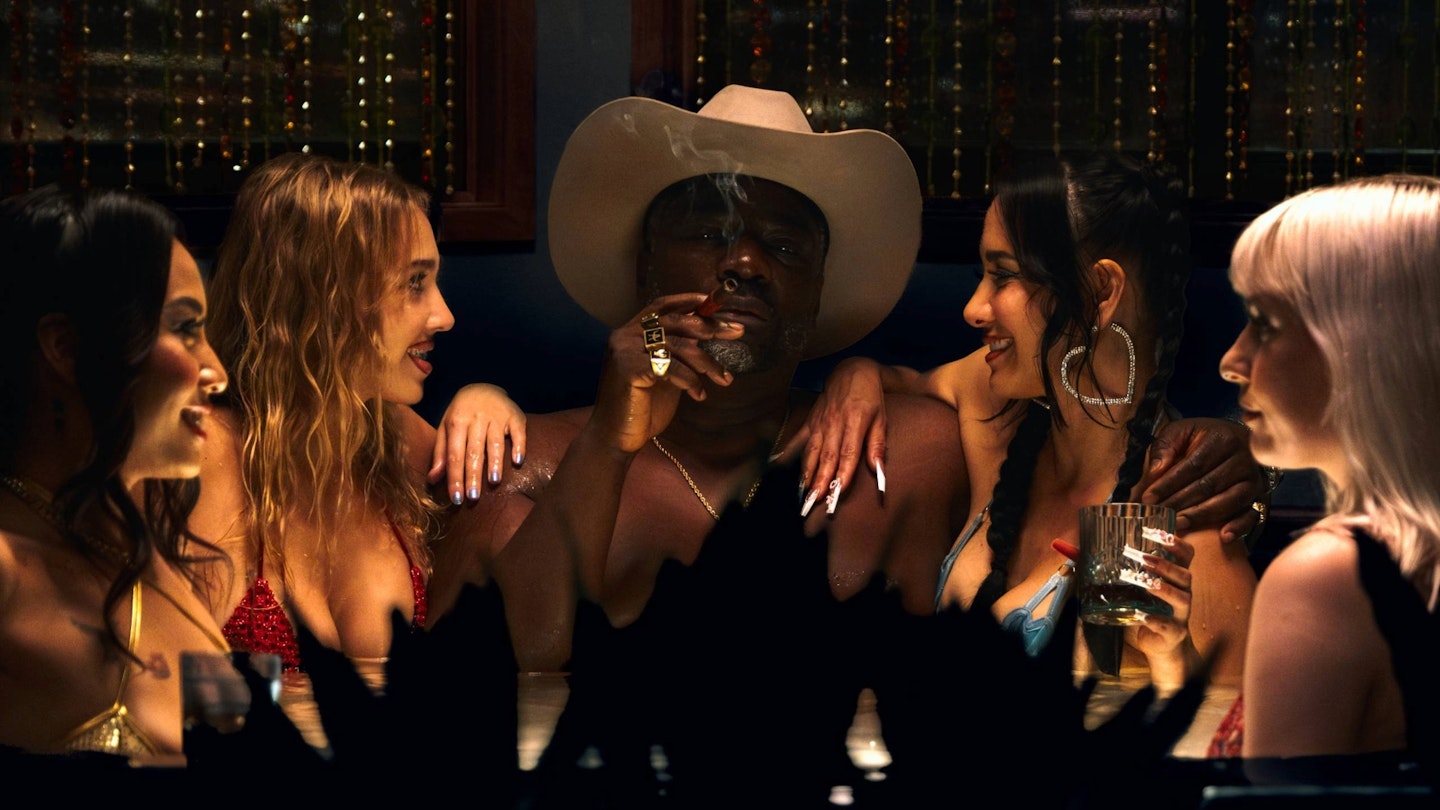
The finale itself culminates in a sequence that the production team describes as a crescendo of tension, a moment that mirrors the structural intensity of a classic Western. This final showdown acts as the inevitable collision of the season’s building pressures, bringing the narrative to a destructive, yet cathartic, conclusion. It is a moment of total exposure, where the secrets, grievances, and unspoken truths of the characters are finally brought to the surface. The decision to frame this conclusion as a Western is a brilliant strategic choice, tapping into the genre’s themes of vengeance, isolation, and the weight of the past. It provides a visual and emotional clarity that cuts through the show's signature hazy aesthetic, forcing a confrontation that the audience has been bracing for since the season's inception.
As the lights fade on this final episode, the legacy of Euphoria stands as a rare accomplishment in long-form storytelling. It has managed to hold the attention of a global audience while exploring subject matter that is often sidelined or stigmatized. The show’s ability to weave the technical sophistication of cinema with the visceral, honest exploration of addiction has created a benchmark for what television can achieve when it refuses to compromise its narrative intent. For the cast and crew, this conclusion is a departure, but for the audience, it remains a touchstone—a reminder that in the face of immense, overwhelming grief, the simple act of trying to stay present, to tell the truth, and to keep going is the most heroic action of all. In the end, Euphoria does not seek to provide an answer, but to offer a presence—a acknowledgement that in our darkest moments, we are not as alone as we think we are.