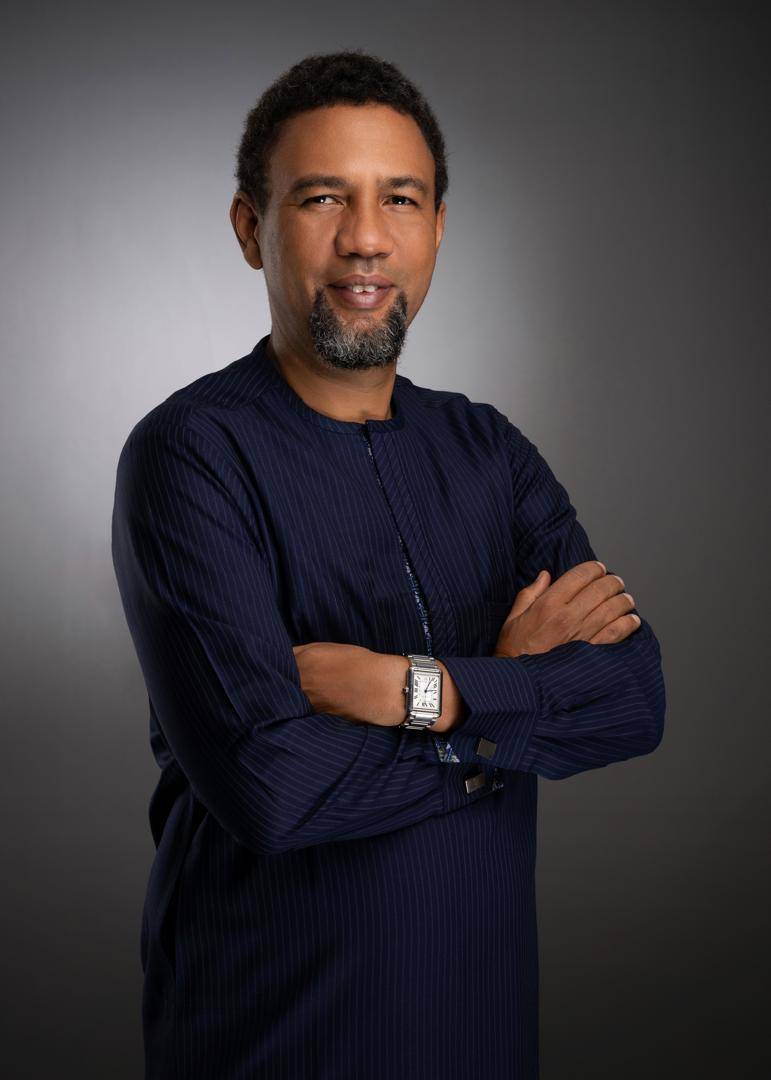
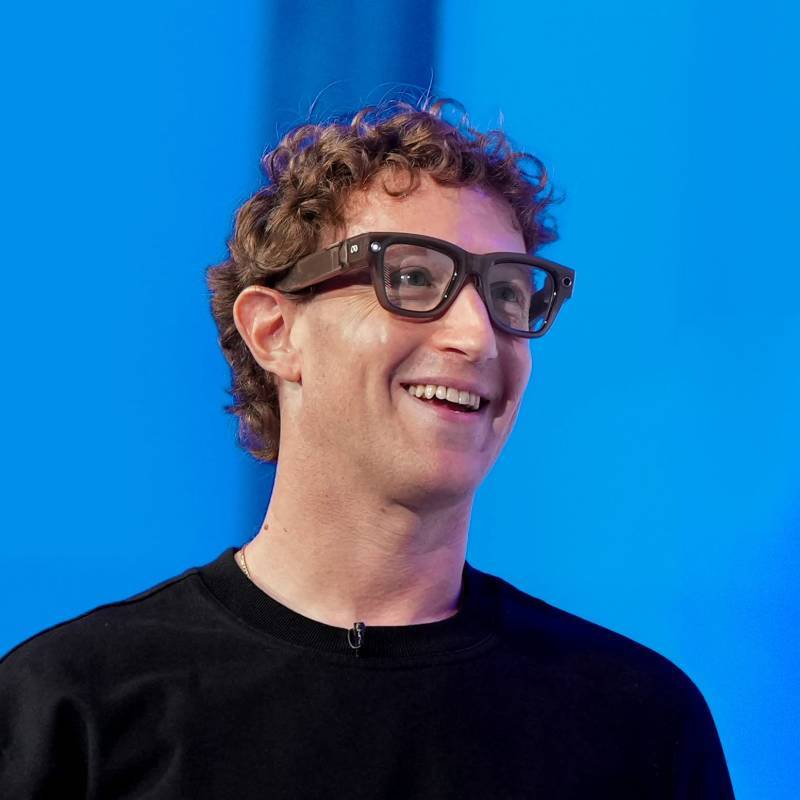
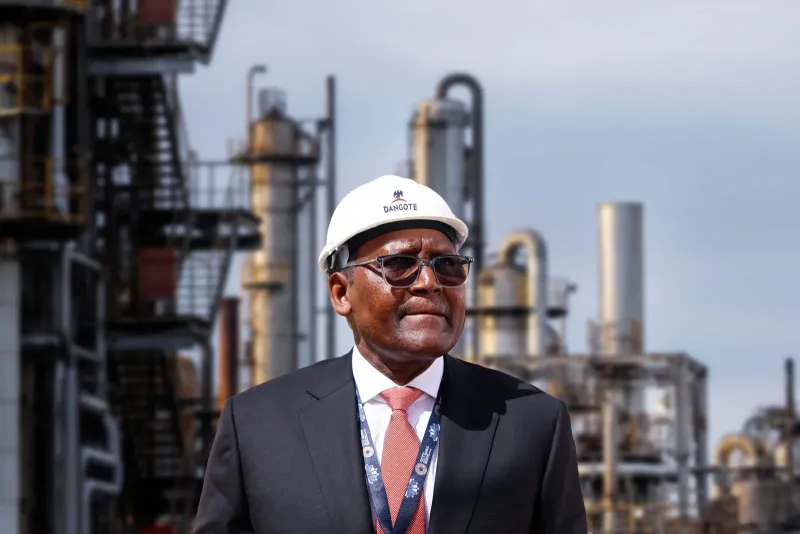
KANSAS CITY - The Kansas City Stadium was transformed into a stage for a high-stakes vision of the future during a recent live episode of Idea Generation, where Meta CEO Mark Zuckerberg sat down to demystify his transition from social media titan to the architect of a new computing era. For an audience accustomed to seeing technology as a screen to be stared at, Zuckerberg presented a jarringly different reality: a world where the most sophisticated computing platforms disappear into the fabric of everyday life. The conversation was a rare, unfiltered look into the mind of a leader who, having already reshaped how the world communicates, is now betting his company—and his legacy—on the belief that our next great technological leap will be worn, not held.
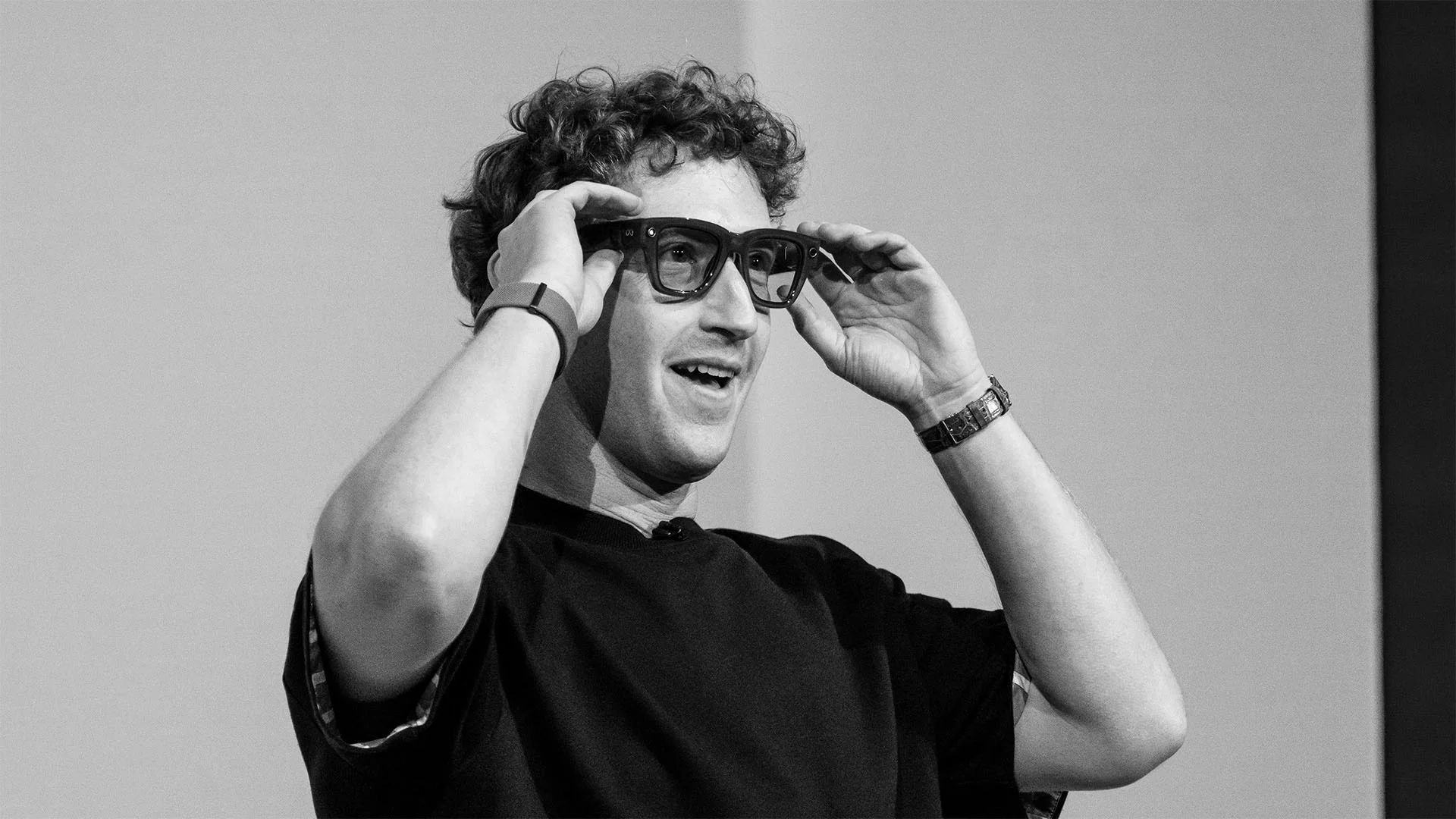
At the heart of this vision is a fundamental re-imagining of the smart glass. Zuckerberg argued with clinical precision that the smartphone, for all its revolutionary impact, has become an accidental cage, pulling users out of their physical environments and into the glowing rectangle of a screen. His solution is an AI-powered wearable that functions as an extension of the senses rather than a distraction from them. These glasses are designed to see what the user sees and hear what the user hears, creating an ambient layer of intelligence that sits at the periphery of consciousness. It is a philosophy of "presence"—a design principle that prioritizes staying connected to the people and spaces around us while simultaneously enjoying the benefits of an intelligent assistant.
Related article - Uphorial Shopify
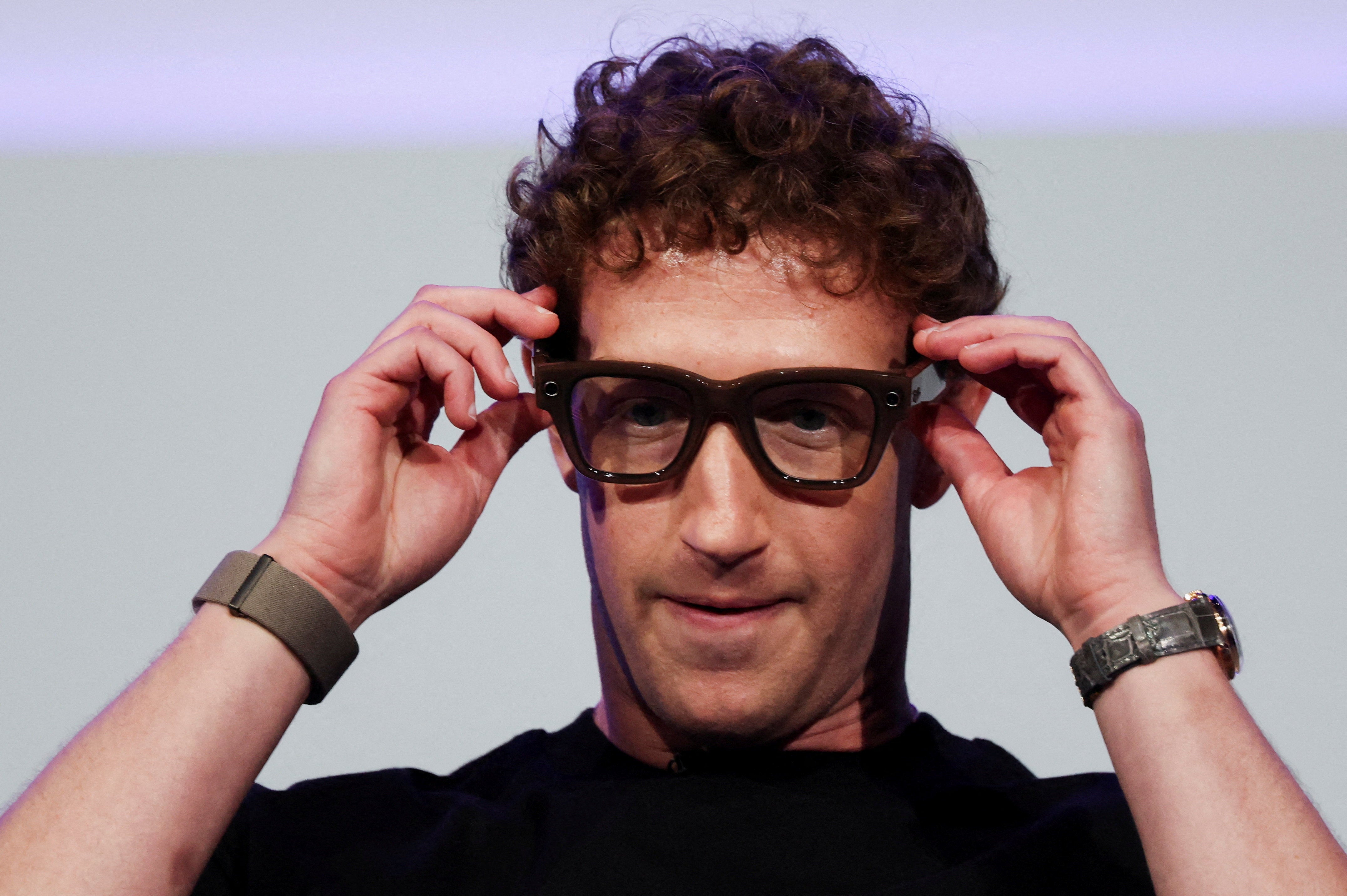
However, the most profound takeaway from the session was his divergence from the industry’s prevailing "AI arms race" mentality. While competitors sprint toward centralizing superintelligence, Zuckerberg advocated for a radically different future: the democratization of "personal superintelligence." He framed the concept as a decentralized ecosystem where every individual is equipped with tools that augment their own innate capabilities. It is a transformational framing that positions the individual, rather than a corporate overlord, at the center of the AI revolution. In his view, this is not just a feature; it is a critical societal safeguard. By empowering people to pursue their own aspirations with the aid of a personalized, deeply contextualized intelligence, he believes we can avoid the pitfalls of a world where humanity is reduced to a passive consumer of automated output.The discourse inevitably touched on the anxieties that accompany such profound technological shifts. When asked about job displacement and the shadow of automation, Zuckerberg leaned into a familiar, albeit controversial, optimism. He argued that the history of human progress is a steady march away from subsistence toward creative pursuits, and that the widespread availability of powerful tools will ultimately harden our digital infrastructure and broaden the horizon of human productivity. For him, the focus on human-centric innovation—making the tools accessible to everyone—is the most effective form of regulation. He views open-source collaboration as a tool for creating a more secure, robust software foundation that can withstand the vulnerabilities of a rapidly evolving digital landscape.

Reflecting on his two-decade tenure in the public eye, Zuckerberg offered a candid assessment of the resilience required to survive the "ridicule phase" of innovation. From the early skepticism surrounding Facebook to the heavy public critique of his pivot toward the Metaverse, he has developed a skin thickened by years of high-profile failures and intense scrutiny. He described his process not as a pursuit of success, but as an unrelenting need to build. Whether it is through the deployment of massive AI infrastructure or the more tactile, personal projects like his recent foray into cattle farming, his philosophy is rooted in a fundamental restlessness. Retirement, he suggested, is not in his wiring; he is a man who finds purpose only in the ongoing act of creation.
The evening painted a picture of a leader who is essentially betting that the future is not about escaping reality through virtual worlds, but about enhancing our reality through intelligent, wearable augmentation. As the conversation drew to a close, the distinction between Mark Zuckerberg the executive and Mark Zuckerberg the engineer began to blur. He left the audience with a stark perspective on leadership: it is not about managing a company or optimizing for the next quarter, but about identifying the change you want to see in the world and having the sheer, stubborn endurance to build it. In a tech landscape dominated by corporate maneuvering and cautionary tales, Zuckerberg’s outlook remained defiantly ambitious, suggesting that we are only at the beginning of a decade that will determine whether our tools remain mere gadgets or evolve into the foundations of a new, empowered human experience.