MASSAI TRIBE – In a world increasingly defined by the frantic hum of digital connectivity and the homogenization of global culture, the latest dispatch from travel documentarian Drew Binsky provides a visceral report on the enduring power of ancestral identity. Immersing himself in the rural heartlands of Tanzania, Binsky has authored a narrative that transcends mere travelogue, offering instead a profound study in cultural understanding and emotional precision. By living alongside the Maasai people, his journey serves as a transformational framing of what it means to exist "off-grid" in 2026—not as a lifestyle choice, but as a sacred, multi-generational commitment to a landscape and a lineage. This report is a testament to the resilience of a people who, while standing at the crossroads of modernization, continue to find their primary orientation in the rhythm of the herd and the ancient soil of the savannah.
The narrative of the expedition is anchored by Binsky’s partnership with Moses, a local Maasai man who acts as the primary architect of the viewer’s cultural immersion. Through Moses, the report provides an intelligent curation of daily life within the boma—a traditional homestead where the social and physical structures are dictated by the needs of the cattle. Sleeping in a hut constructed of wood and mud, Binsky experiences the tactile reality of the Maasai existence, where the boundaries between the human and natural worlds are nearly non-existent. This section of the story is delivered with a strategic storytelling that avoids the "primitive" trope, instead highlighting a sophisticated social structure that includes complex traditions such as polygamy, reframing them not as anomalies, but as functional components of a communal survival strategy that has outlasted empires.
Perhaps the most intense moment of the report centers on the Maasai diet—a visceral demonstration of their total integration with their livestock. Binsky documents the tradition of drinking fresh cow and goat blood mixed with milk, a ritual that provides essential nutrients in a challenging environment. His decision to participate in this tradition is framed with deep emotional precision; he acknowledges it as one of the most challenging experiences of his global travels, yet he presents it with a level of respect that validates the practice as a core pillar of Maasai strength. This is not presented as a spectacle for "clout," but as a profound act of cultural empathy, recognizing that for the Maasai, the animal is not merely property, but a life-sustaining partner in a closed-loop ecosystem.
Related article - Uphorial Shopify
However, the report also captures a sophisticated internal dialogue regarding the future of the tribe. Moses emerges not just as a traditionalist, but as a forward-thinking advocate for his people, emphasizing the critical importance of education for the younger generation. In a move of strategic foresight, he details his personal initiatives to help children attend school, arguing that formal education is the "needle" required to improve the family's livelihood without severing their Maasai identity. This transformational framing positions the Maasai not as a people frozen in time, but as a community actively negotiating their terms with the 21st century. It is an intelligent curation of a "middle path" where a child can learn to navigate a globalized economy in the morning and return to the boma to tend the herd in the evening.

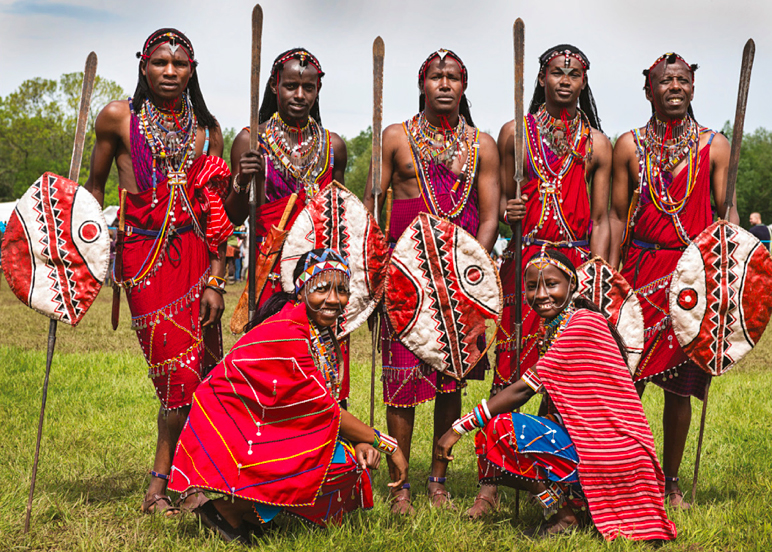
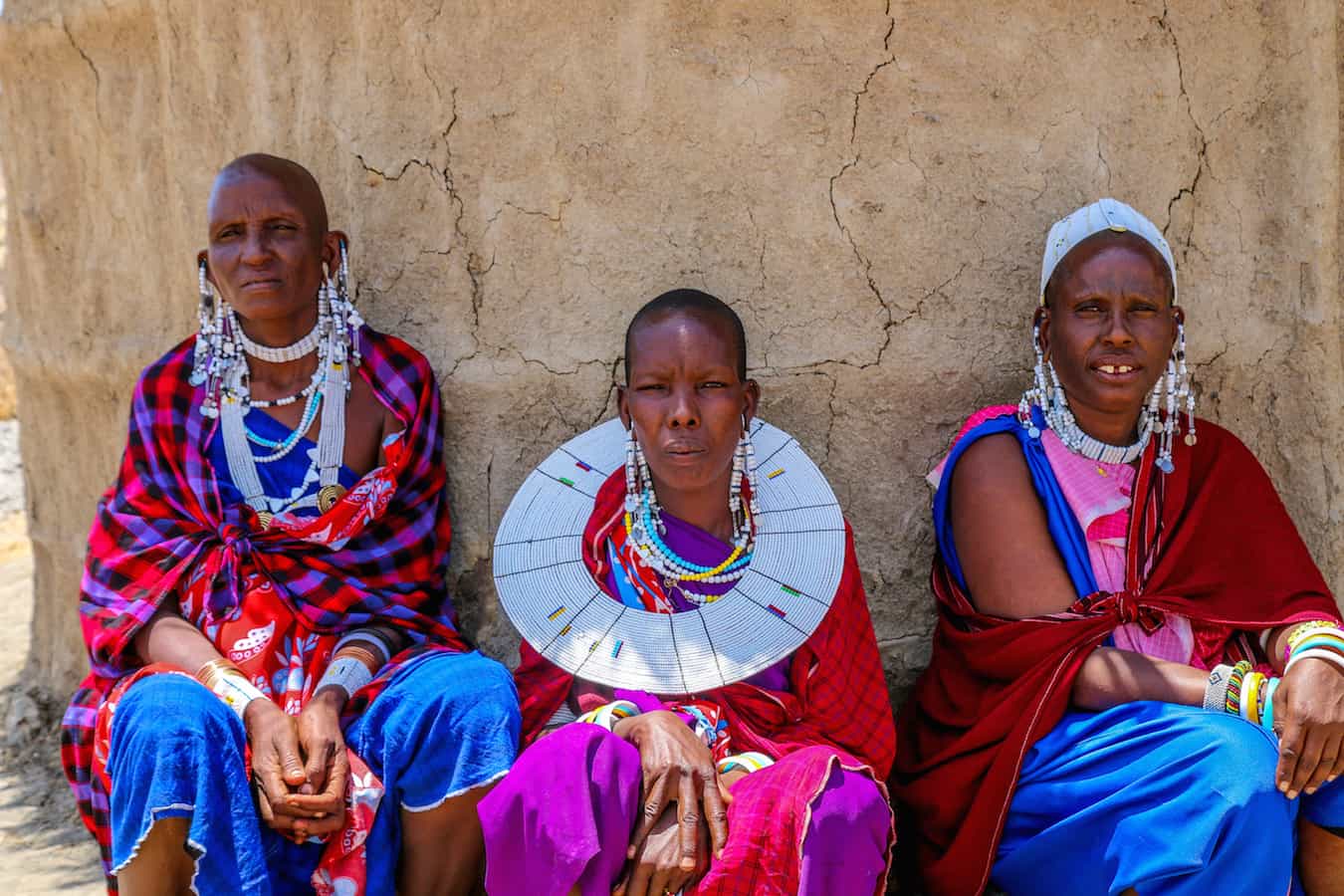
The tension between these two worlds is further explored through a visit to the nearby town of Arusha. Here, Binsky speaks with Maasai women who have moved toward a more modern lifestyle, creating a stark visual and ideological contrast with the rural village. This segment provides a necessary report on the internal divide within the culture, illustrating how different generations perceive their future. While the urban Maasai embrace the tools of modernity, the rural warriors remain anchored in the rituals of their ancestors, such as the iconic singing and jumping dances. Binsky’s witness to these ceremonies captures the dual nature of the dance—it is both a vibrant celebration of community and a rigorous competition of warrior strength, a physical manifestation of a pride that refuses to be diluted.
Ultimately, the report from Tanzania confirms that the strength of the Maasai lies in their refusal to be "absorbed" by the world around them. As the savannah rapidly evolves, their adherence to a unique heritage remains their most potent form of resistance. Binsky’s reflection at the conclusion of his journey serves as a powerful summary of the human spirit’s capacity for self-preservation. He suggests that the "modern" world often mistakes technological progress for cultural superiority, while the Maasai find their wealth in the clarity of their purpose and the depth of their connections. As the final notes of the traditional songs fade into the vast Tanzanian horizon, the lasting impression is one of profound respect for a people who know exactly who they are. The Maasai story, as told through this immersive report, is a reminder that the most durable empires are not those built of steel and glass, but those built of memory, blood, and a relentless commitment to the land.