An insightful discussion captured by Jubilee Media explores the profound, often tragic, legacies carried by former gang members, challenging the notion that their lifestyle could have produced any positive outcome while acknowledging the complex circumstances of their involvement. The initial query posed to the participants—whether gang life helped them become better people—met with immediate, stark disagreement. Situ reflected that the lifestyle swiftly progressed from minor crimes like shoplifting and breaking into cars to active gang fights and gun violence, ultimately rendering him an "evil person". He recounted the painful realization, after serving two life sentences for a shooting, that his Cambodian female victim, whom he knew from the community, could have been his own mother or aunt. Another participant, Christopher, whose father introduced him to cocaine at age 13, agreed, asserting that gang membership only turned him into a "violent criminal", perpetually creating victims through shooting, stabbing, and ruining families by selling drugs in their communities.
However, the discussion revealed that gang involvement often emerged from deep societal fissures. Sean argued that gangs initially functioned like organizations, offering structure, training, and guidance in distressed, poor communities plagued by broken families and lacking resources. For him, the crew represented a powerful "brotherhood" that taught him how to survive and make money since the age of six or seven. Similarly, a speaker whose parents were Khmer Rouge genocide survivors was constantly absent from home seeking recycling, felt abandoned, noting that the gang's immediate acceptance "fit right in" because he was "not receiving the love at home". Many felt their crew showed them "way more love than my family ever did". Yet, this acceptance carried a terrible price: the organization that provided "love" also "turned me into a criminal," representing a "false sense of love". Despite the destruction, one former member acknowledged that the lessons learned, both "good and bad," helped "mold me who I am" and prepared him "on how to be a better human" today, by ensuring he is now doing the "opposite" of his past actions
Related article - Uphorial Radio
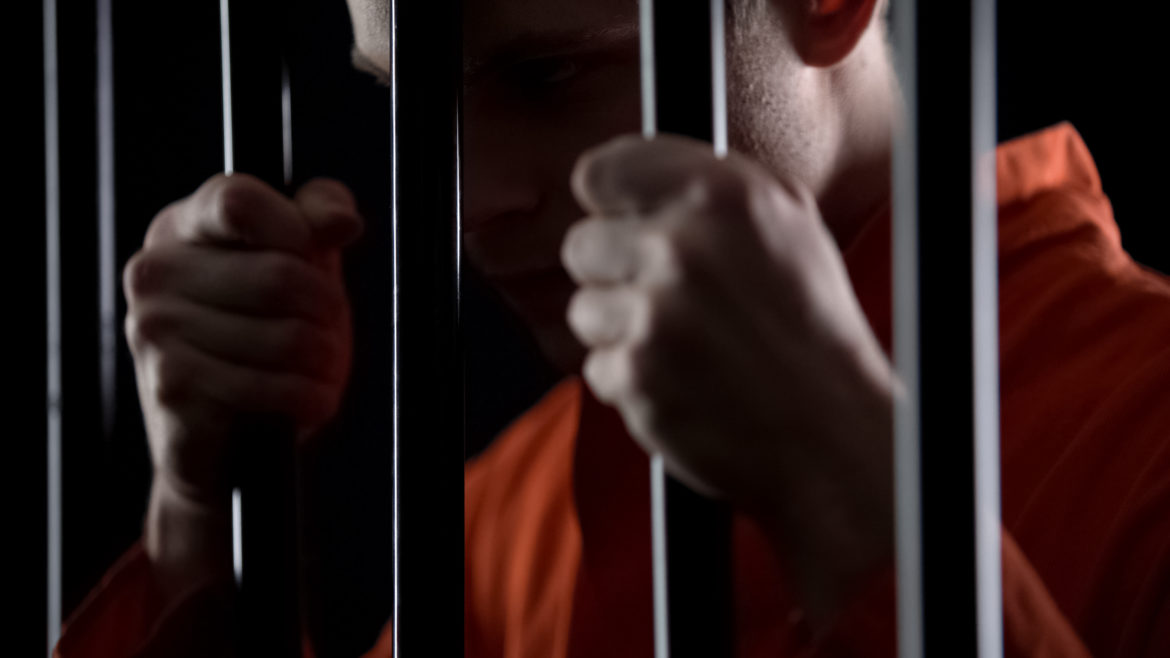
The cost of this life is measured both in physical loss and profound, ongoing psychological pain. Participants confirmed losing "dear friends" in gang wars and shootings, but the definition of loss broadened significantly to include the tragedy of incarceration. One speaker highlighted a friend who received "life plus 30" years in a federal RICO case, observing he is "still alive, but he’s never coming home". Another, who himself spent 26 years in prison, remarked that seeing friends "locked down in a cage" is "almost worse sometimes" than death, as they are alive but "don't know life". Guilt remains a daily affliction. One participant who came home from federal prison in 1999 stated he still feels "guilty," "remorseful," and "shame," noting that for him, "time is relative" and the past often "feels like it was yesterday". Other burdens include the realization that "all of the dumb decisions that I made" are causing his children to suffer now.
The path to redemption hinges on accepting responsibility. Christopher initially blamed his father for every bad event in his life, but he eventually realized he alone was "responsible for my own actions" and the "only one that can change my life is me". However, others recognized that they were born into systemic issues of "poverty," "mental illness," and generational trauma where parents were also victims of their past, influencing their choices. This awareness led to attempts to make amends, such as the man who realized his refugee parents were constantly seeking recycling because they were survivors of the Khmer Rouge. While some doubt, they will ever achieve full self-forgiveness, the focus remains on change: making "right decisions, not the easy decisions". Leaving the gang was not universally difficult; one former ranking member, who underwent a spiritual transformation in prison, received "full support" from his former associates, who "honor[ed] the transformation" and allowed him to step away peacefully.